Toggle Nav 



Unlocking the Ride: 9 Tips for Choosing Your Perfect Electric Bike
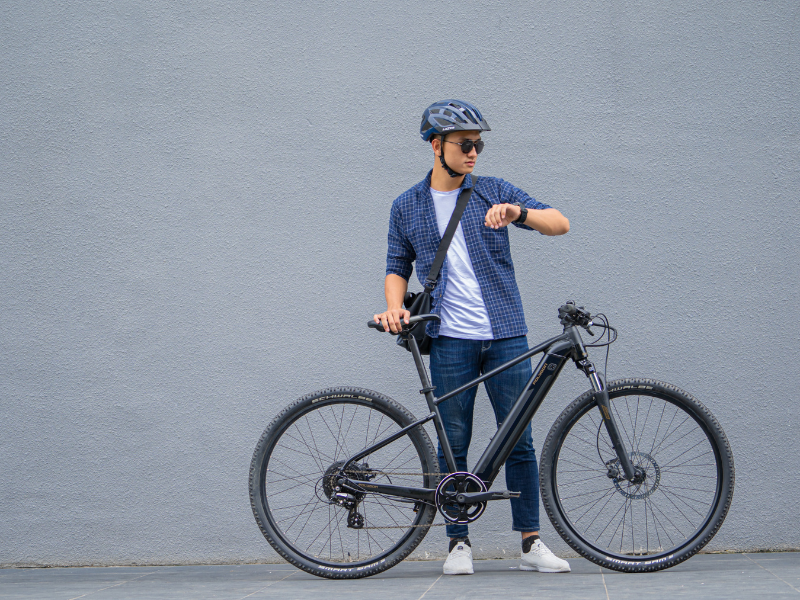
Updated on October 23, 2025 - Riding your first electric bike, or e-bike, feels like unlocking a superpower. These pedal-assist wonders expand your biking horizons: effortlessly navigating traffic, carrying cargo, arriving fresh, and conquering challenging terrains.
E-bikes are categorized much like regular bikes—mountain, road, and specialized types including urban, hybrid, cruiser, cargo, and foldable models.
What is an E-bike?
In essence, it's a bicycle with an electric motor, adding a boost to your pedaling efforts. E-bikes come in various categories, each catering to specific preferences. From commuter-friendly models to off-road adventurers, the types of e-bikes are as diverse as traditional bicycles.
Understanding Electric Bike Classes: Navigating Your E-Bike Choices
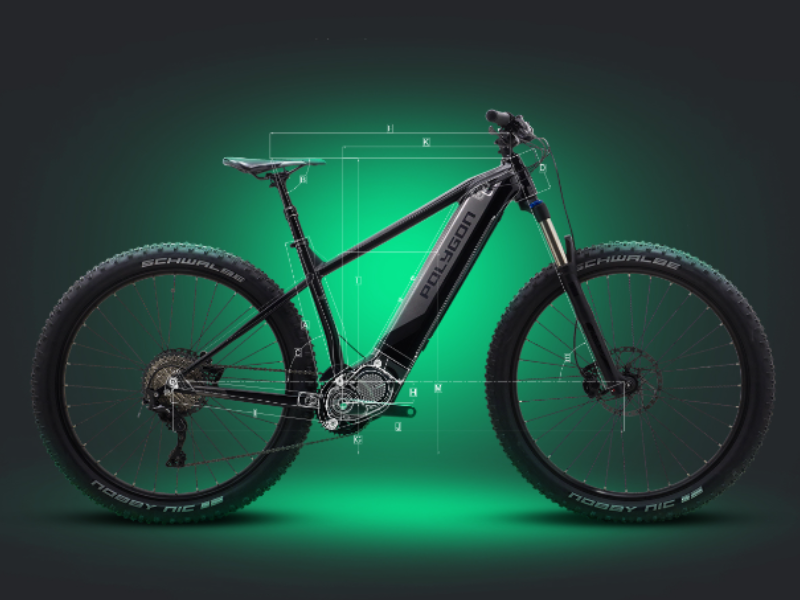
When it comes to electric bike, there’s a regulatory breakdown into three distinct classes, each indicating the level of motor assistance provided. This classification system, adopted by bike manufacturers and regulatory bodies, is crucial in determining the type of e-bike that suits your needs. Let’s delve into the three classes:
- Class 1: These e-bikes offer motor assistance only while you pedal, cutting off help when you reach 20 mph.
- Class 2: Similar to Class 1, they provide pedal assist up to 20 mph and feature a throttle-powered mode that doesn’t necessitate pedaling.
- Class 3: Solely pedal-assist like Class 1, but the assistance stops at 28 mph.
Most newcomers opt for Class 1 e-bikes due to their affordability and wide regulatory acceptance. They’re suitable for city streets and many bike paths, with some even gaining access to traditional mountain bike trails, though this varies by location.
Class 2 e-bikes share similar access points to Class 1, limited to areas allowing speeds up to 20 mph for motor assistance. On the other hand, Class 3 e-bikes attract commuters and those running errands. They're speedier and more robust than Class 1, enabling better traffic navigation, improved climbing ability, and handling heavier loads. However, their access is limited; they're not typically allowed on most bike paths or mountain bike trail systems.
Before settling on an e-bike class, it's crucial to research the access regulations. Laws, licensing, age limits, and land-management rules are constantly evolving. Check out resources like People for Bikes’ state-by-state guide to stay updated on e-bike regulations across the country. Stay informed to ensure your e-bike choice aligns with the evolving regulations and riding preferences.
9 Tips for Choosing an Electric Bike
1. Define Your Purpose
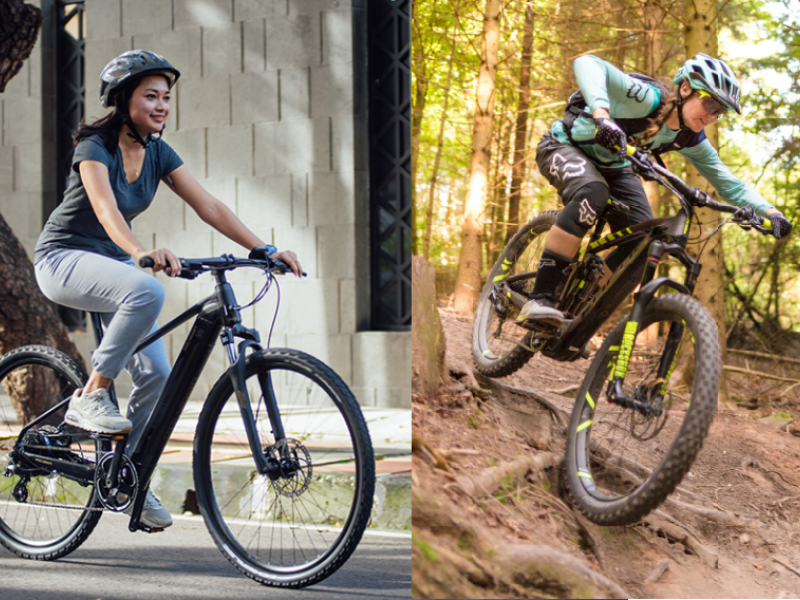
The first step is to understand that these bikes cater to various people and purposes. Your individual needs should dictate what features matter most to you. Prioritize comfort with a step-through frame, conquer hills with a middle motor system or high-torque hub motor, and opt for a battery of 400 watt-hours or more if long distances are your preference. Knowing your personal needs will guide you in choosing the electric bike that aligns with your priorities.
2. Choose Your Electric Bicycle Malaysia Retailer Wisely
Purchasing an electric bike is not just about the product; it's equally about the bike shop or kedai basikal you're buying it from. Evaluate your potential retailer based on three key aspects: vibe, commitment, and quality. The vibe encompasses the overall feel of the shop. A committed shop ensures ongoing support for your electric bike journey.
When it comes to finding a retailer that checks all these boxes, look no further than Rodalink Malaysia as the best kedai basikal near me. Our commitment to providing a positive and knowledgeable atmosphere, offering top-tier quality e-bike, and genuine passion for enhancing your riding experience.
3. Electric Bicycle Battery Performance Matters
The heart of any e-bike is its battery. Opt for a reliable, high-capacity battery to ensure consistent power delivery. Check for easily replaceable batteries and assess charging times to minimize downtime.
4. Motor Type and Placement
E-bike motors come in hub and mid-drive configurations. Hub motors are placed in the wheels, providing a smoother ride, while mid-drive motors are positioned at the bike's center for better balance and efficiency. Choose based on your preferred riding experience.
5. Consider the Frame
The frame's material and design impact your comfort and overall riding experience. Aluminum frames offer a balance of durability and weight, while carbon frames provide a lightweight option. Test various frames to find your sweet spot.
6. Evaluate the Braking System
Safety is paramount, and the braking system plays a crucial role. Disc brakes, both hydraulic and mechanical, offer reliable stopping power. Ensure your e-bike has a responsive braking system tailored to your riding style.
7. Check the Tire Type
Tires affect your e-bike's performance on different terrains. Whether you're navigating city streets or tackling off-road trails, choose tires that suit your riding environment. Consider puncture-resistant options for added convenience.
8. Test Ride Several Bikes
The most crucial and enjoyable aspect of buying an electric bike is the test ride. It allows you to set aside specs, reviews, and research. Let your personal experience guide your decision.
9. Buy Local: The Benefits of Proximity
Whenever feasible, opt to buy locally. Even with a seamless purchase, questions about your bike may arise, and in less favorable scenarios, issues may occur. Being within 50 miles of your place of purchase ensures that assistance is readily available. Moreover, supporting local businesses ensures that local electric bike experts, such as Rodalink Malaysia, will be there for you in the long run. Your patronage establishes a connection that lasts for years to come, with the added benefit of having a trusted partner like Rodalink Malaysia for all your electric bike needs.
Why Buying an Electric Bicycle Can Be Tricky?
The e-bike buying process can be complex because it involves balancing a lot of different factors—your personal riding needs, technical specifications, and deciding between buying online or from a local store.
Here are the key aspects of the e-bike buying process, including common pitfalls and the crucial choices involved:
The Core Decision: Online vs. Local Kedai Basikal
|
Feature |
Buying from a Local Shop |
Buying Online (Direct-to-Consumer) |
|
Test Ride |
Crucial Benefit. You can test ride several models, ensuring the fit and feel is right before you buy. |
Major Drawback. You often can't test ride. You are relying on specs, reviews, and return policies (which can have high shipping/restocking fees). |
|
Price |
Generally 10-30% more expensive due to overhead and included services. |
Usually less expensive, which is a primary motivation for online purchase. |
|
Assembly/Setup |
Included. Professionally assembled, checked for safety, and often fitted to you. |
Required. Comes in a box and requires final assembly (wheels, pedals, handlebars, etc.). Incorrect assembly can be dangerous. |
|
Service & Warranty |
Excellent. The shop provides immediate support, handles warranty claims, and offers maintenance/tune-ups. |
Challenging. You deal with the company online for issues. Many local shops refuse to service or honor warranties for online-only brands due to liability and lack of parts/documentation. |
|
Expertise |
High. Immediate access to an expert for personalized advice on style, components, and fit. |
Varies. Relies on online guides, FAQs, and potentially slow customer support. |
|
Quality |
Typically higher-quality components for long-term use, though this varies by brand and price point. |
Varies widely. Some budget-friendly brands may use lower-quality parts that wear out faster. |
The general advice is: If you are new to an electric bicycle, not mechanically skilled, or want long-term support and peace of mind, a local bicycle shop or kedai basikal is usually the best investment. If you are technically savvy, on a tight budget, and comfortable with self-service, buying online might work.
Read also:
- E-Bikes Uncovered: How the Tech Works?
- The Electric Bike Revolution Pros and Cons
- Top 5 Electric Bike Parts to Swap
Conclusion
Choosing the right electric bike or electric bicycle is a thrilling journey in itself. By understanding your needs, key features, and following our 9 essential tips, you’re one step closer to discovering your perfect e-bike.
At Rodalink Malaysia , we make your electric cycling experience even better with free delivery, exclusive promos, redeemable shopping points, and 0% installment plans — making it easier than ever to own your dream ride. Hence, we’ve been known as the best kedai basikal near me.
So why wait? Explore our wide range of electric bikes from renowned brands like Polygon & Marin today and elevate your rides with the latest e-bike technology — only at Rodalink Malaysia, your trusted kedai basikal for quality, value, and convenience.
Electric bikes you might like
- Marin Alpine Trail E1 Electric BikeMYR 22,999.00-20%Special Price MYR 18,399.20
- Marin Alpine Trail E2 Electric BikeMYR 29,999.00-20%Special Price MYR 23,999.20
- Polygon Gili Velo Electric Bike 2023MYR 4,999.00
- Polygon Gili Velo Electric Bike 2021MYR 4,999.00



Please complete your information below to login.
Sign In
Create New Account