Toggle Nav 



The Electric Bike Revolution: Exploring the Pros and Cons
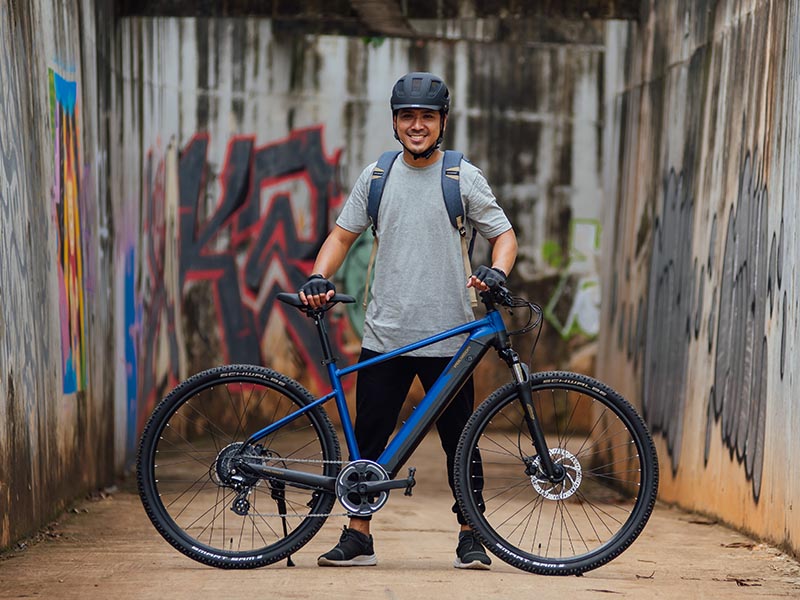
In recent years, the electric bike (Ebikes) market has seen a significant surge in popularity, revolutionizing the way people commute, exercise, and explore their surroundings. As cycling enthusiasts seek more efficient and eco-friendly modes of transportation, the electric bicycle has emerged as a compelling alternative. This article delves into the pros and cons of electric bikes, shedding light on their impact, functionality, and relevance in Malaysia's dynamic cycling landscape.
What is an E-bike?

Electric bicycles, commonly known as e-bikes, are bicycles equipped with integrated electric motors and batteries designed to assist in propulsion. These motors can be positioned either in the middle of the bike near the crank (mid-drive) or within one of the hubs (hub motor), while the battery may be mounted on the downtube, seat tube, within the frame, or on the rear bike rack.1
E-bikes are categorized into three main classes. Class 1 e-bikes provide pedal assistance only and have a maximum speed of 20 miles per hour (32 km/h). Class 2 e-bikes, on the other hand, feature a throttle control in addition to pedal assist, also capped at 20 mph. For those seeking more power, class 3 models offer a higher maximum speed of 28 mph. Depending on various factors such as terrain and usage, electric bikes can cover distances ranging from 20 to over 100 miles (32-160 km) per charge.
The market offers a diverse array of electric bike designs catering to different preferences and riding styles. Some models solely provide pedal assistance, requiring riders to pedal while receiving support from the motor. Others resemble mopeds, allowing users to rely solely on the motor for propulsion without pedaling. Additionally, e-bikes feature different motor configurations, with some employing mid-drive motors that power the wheel through the chain, while others utilize hub motors directly integrated into the wheel. Battery capacity and motor size also vary across models, contributing to the overall performance and range of electric bikes.
Advantages of Electric Bikes
1. Assisted Pedaling
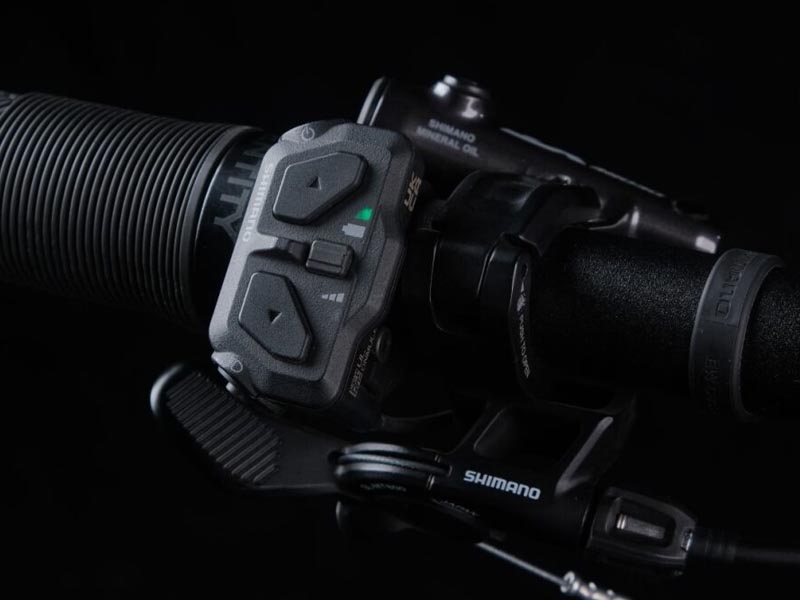
One of the most significant advantages of electric bikes is their ability to provide assisted pedaling. This feature allows riders to conquer steep inclines and cover longer distances with less effort, making cycling more accessible to individuals of all fitness levels.
2. Increased Speed and Range
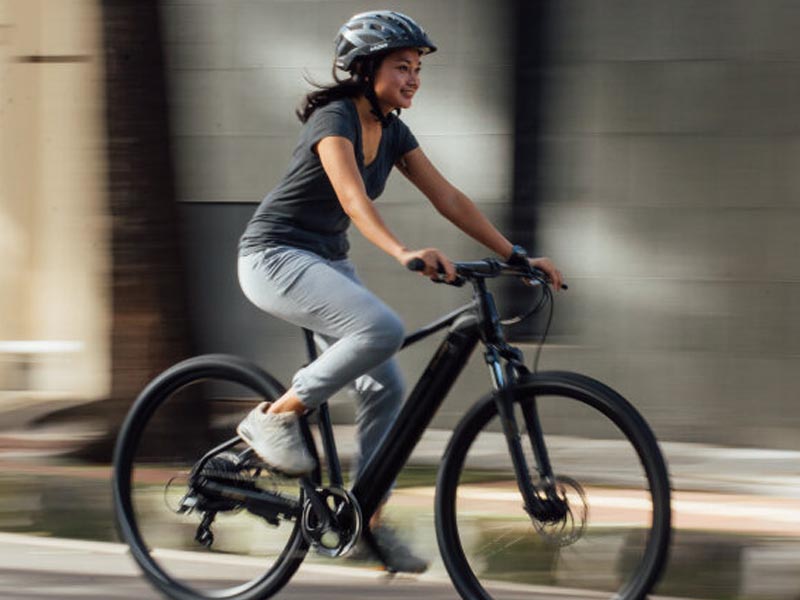
Electric bikes offer higher speeds compared to traditional bicycles, enabling riders to commute more swiftly and efficiently. Additionally, with advancements in battery technology, modern electric bikes boast extended ranges, making them suitable for longer journeys without the fear of running out of power.
3. Eco-Friendly Transportation

By opting for electric bikes, cyclists contribute to reducing carbon emissions and alleviating traffic congestion. Ebikes operate on rechargeable batteries, minimizing the reliance on fossil fuels and promoting sustainable mobility solutions.
4. Health Benefits

While electric bikes provide pedal assistance, riders still engage in physical activity, albeit at a lower intensity. This hybrid approach encourages individuals to incorporate cycling into their daily routine, promoting cardiovascular health, muscle toning, and overall well-being.
5. Cost-Effective
Despite the initial investment, electric bikes offer long-term cost savings compared to traditional vehicles. With lower maintenance requirements and negligible fuel expenses, Ebikes present an economical mode of transportation for daily commuting and recreational purposes.
Disadvantages of Electric Bikes
1. Initial Cost

The upfront cost of purchasing an electric bike may deter some potential buyers. Compared to conventional bicycles, E-bikes tend to be more expensive due to the inclusion of electric motors, batteries, and sophisticated technology. However, the long-term benefits often outweigh the initial investment.
2. Weight and Bulkiness
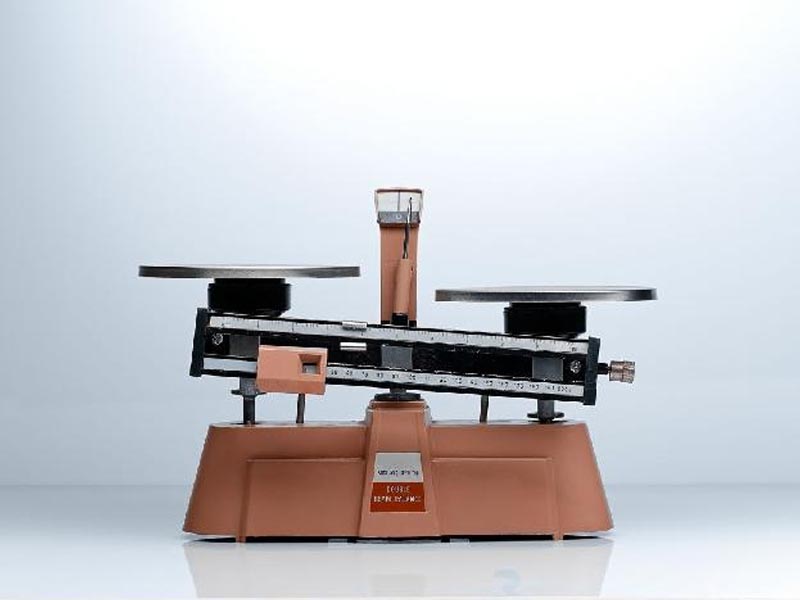
Electric bikes are typically heavier and bulkier than traditional bicycles, primarily due to the added components such as batteries and motors. Maneuvering and transporting Ebikes may pose challenges, especially in urban environments with limited storage space.
3. Limited Range and Charging Infrastructure
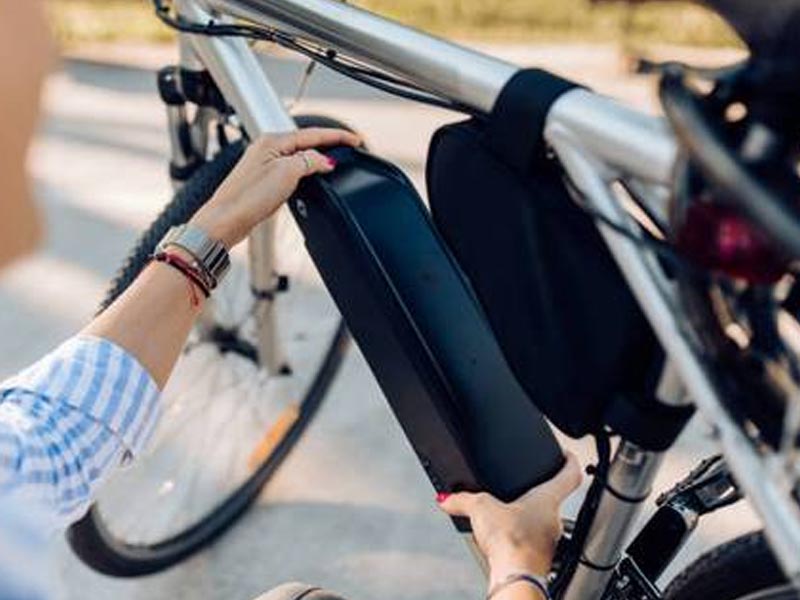
While modern electric bikes offer improved battery life and range, riders may still encounter limitations, particularly during longer excursions. Moreover, the availability of charging stations and infrastructure remains a concern in certain regions, impacting the convenience and practicality of electric bike usage.
4. Maintenance Requirements
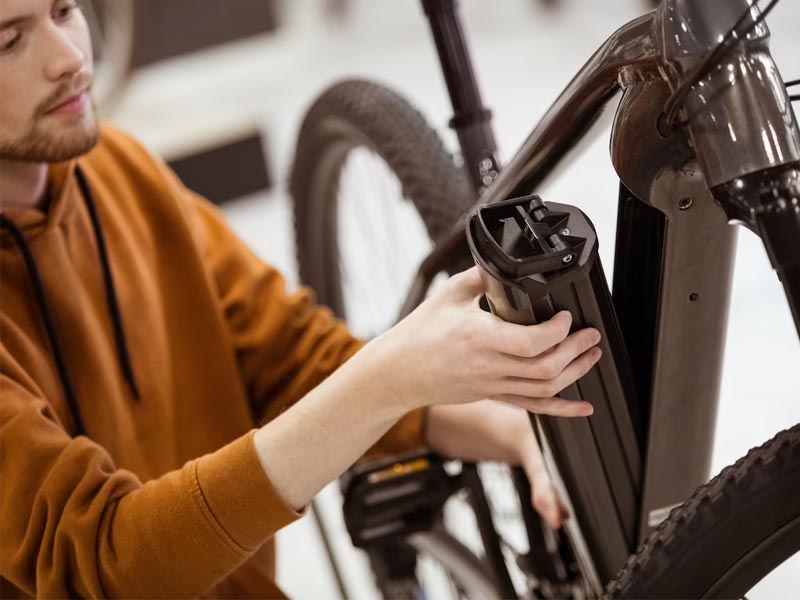
Although electric bikes generally require less maintenance than traditional vehicles, they still necessitate occasional servicing and upkeep. Components such as batteries, motors, and electronic systems may require professional attention, adding to the overall ownership costs.
5. Regulatory Restrictions

In some jurisdictions, electric bikes are subject to regulatory restrictions regarding speed limits, usage on public roads, and licensing requirements. Navigating these regulations can be cumbersome for riders, potentially limiting the freedom and flexibility associated with electric bike usage.
Conclusion
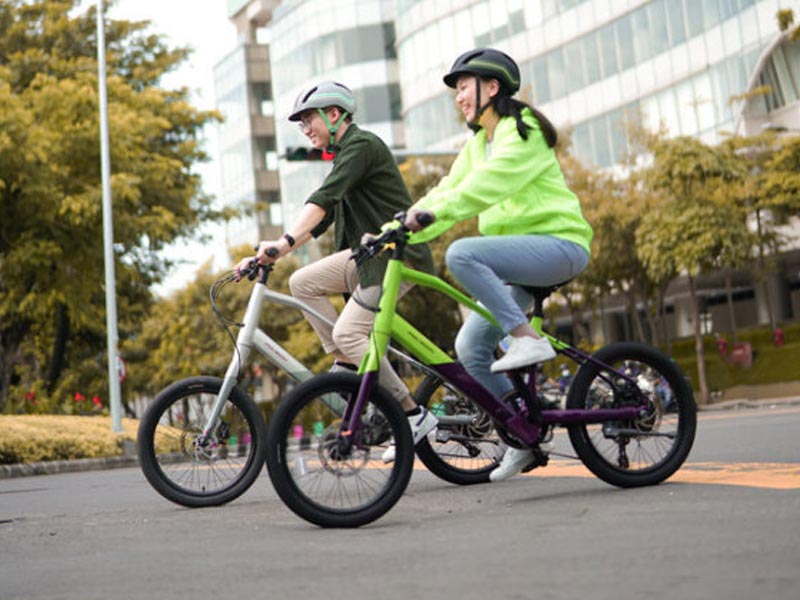
Electric bikes represent a paradigm shift in the cycling landscape, offering a blend of innovation, sustainability, and accessibility. While they present unique advantages such as eco-friendliness, enhanced speed, and versatility, Ebikes also come with considerations such as cost, regulatory compliance, and maintenance. Whether you opt for the traditional pedal-powered experience or embrace the electric assist of an e-bike, cycling remains a fulfilling and enriching activity. As Malaysia embraces the electric bike revolution, riders can rely on Rodalink Malaysia to provide top-notch products, expert guidance, and unparalleled support for their cycling journey.
Rodalink's commitment to quality, reliability, and customer satisfaction sets it apart as a trusted provider of electric bikes in Malaysia. Whether you're a seasoned cyclist or a novice enthusiast, Rodalink's knowledgeable staff and comprehensive services guarantee a seamless shopping experience, from bike selection to maintenance and accessories. Moreover, Rodalink Malaysia's extensive network of stores and online presence facilitates accessibility and convenience, allowing customers to explore and purchase electric bikes from the comfort of their homes or visit a nearby store for personalized assistance.
Read More:
- 8 Benefits Of Using An Electric Bike
- Unlocking the Ride: 9 Tips for Choosing Your Perfect Electric Bike

Please complete your information below to login.
Sign In
Create New Account