Toggle Nav 



UNLOCKING THE MECHANICS: HOW DO EBIKES WORK?
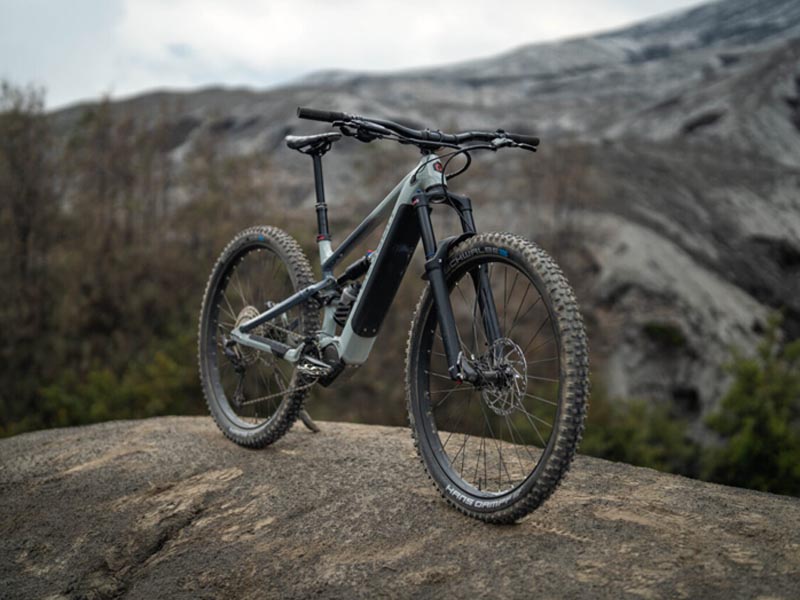
Do you dream of effortlessly conquering steep hills without straining your knees? Are you seeking an eco-friendly alternative for last-mile travel in your town? If you've found yourself nodding along, then electric bikes might be the solution you've been looking for.
Investing in an electric bicycle is not just a transportation decision; it's an investment in your health and overall quality of life. Whether you're an experienced mountain biker seeking new thrills, a novice commuter looking for a practical mode of transportation, or someone eager to explore scenic trails, there's an e-bike tailored to your needs.
The e-bike industry has experienced explosive growth in recent years in Malaysia, with electric bikes surpassing electric cars in sales. What's driving this surge in popularity? The appeal of electric basikal lies in their versatility, offering both exercise and practical commuting options, cost-efficiency, and environmental sustainability.
This beginner's guide will cover everything you need to know, from the mechanics of how electric bicycles work to the various types available and tips for selecting the perfect e-bike for your needs. Join the millions who have already embraced the biking revolution and let us guide you through the process.
Understanding the Electric Bike: Powering Your Ride
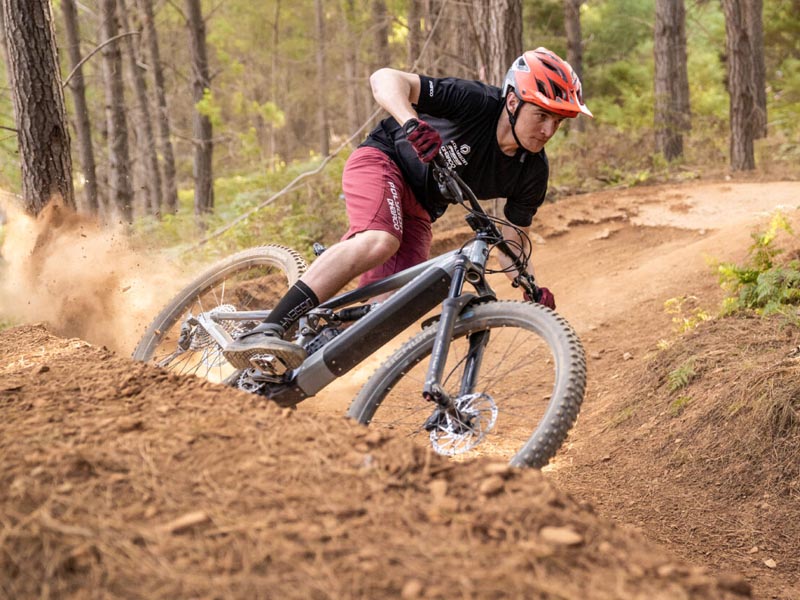
E-bikes, short for electric bicycles, blend traditional biking with modern innovation by incorporating a compact electric motor to provide a power boost for various purposes, such as climbing hills or traveling long distances.
Unlike mopeds or motorcycles, e-bikes operate quietly, emit no harmful emissions, and offer a sustainable and eco-friendly alternative for commuters and recreational cyclists alike. With a diverse range of shapes and sizes, there's an e-bike tailored to every preference, such as electric mountain bikes and electric mini velo.
The electric motor seamlessly integrated into e-bikes enhances the cycling experience through two types of assistance: pedal assist and throttle assist. With pedal assist, the motor engages and amplifies your pedaling efforts, making it easier to tackle challenging terrain or maintain higher speeds.
Additionally, throttle assist allows for effortless acceleration without pedaling, ideal for conserving energy or navigating busy streets. By customizing the assistance levels, riders can enjoy extended range and enhanced performance, empowering them to travel faster, farther, and with greater ease.
How Do Electric Bikes Work?
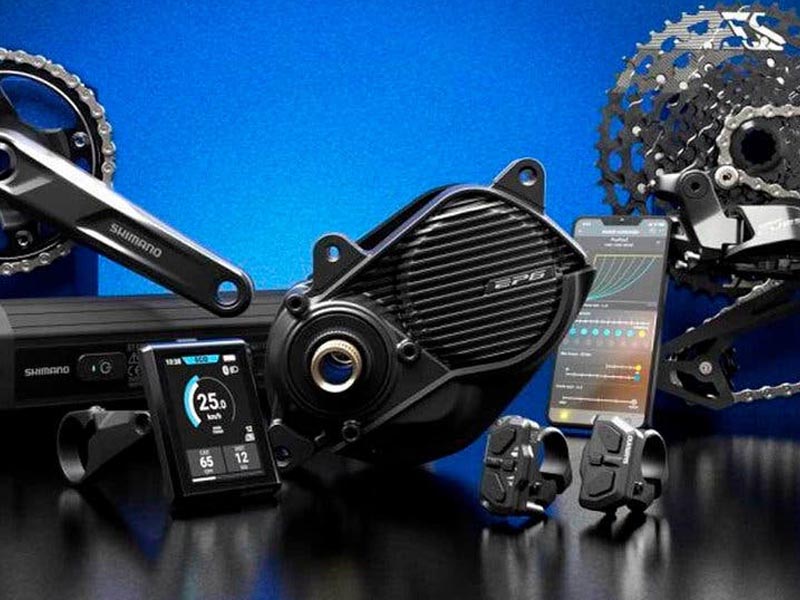
The electric motor of an e-bike operates on a simple yet ingenious principle: electromagnetic induction. When you pedal an Ebike equipped with a pedal-assist system or engage the throttle on a throttle-controlled model, sensors detect your pedaling cadence or the throttle input, signaling the motor to spring into action.
Within the motor, a series of coils, typically made of copper wire, surround a central shaft. When an electric current flows through these coils, it generates a magnetic field, causing the shaft to rotate. This rotational motion is then transmitted to the drivetrain, ultimately propelling the bicycle forward.
Battery Power: Unlock More Miles!
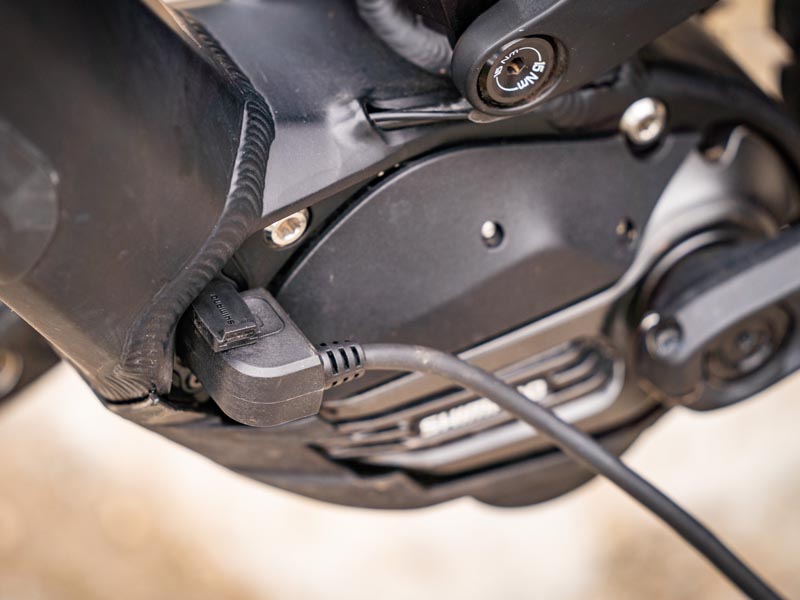
To supply the electric motor with the necessary energy, Ebikes are equipped with rechargeable lithium-ion batteries, conveniently nestled within the frame or attached to the bike's exterior. These batteries serve as the lifeblood of Ebikes, providing the electrical energy required to power the motor and sustain prolonged rides.
When charging an e-bike, the battery's energy storage capacity is replenished through a standard electrical outlet or dedicated charging station. Depending on the model and battery size, the charging time may vary, typically ranging from a few hours to overnight.
Integration and Efficiency: The Ebike Advantage
What sets E-bikes apart from conventional bicycles is their seamless integration of electric propulsion, enhancing overall performance and rider experience. Whether tackling steep inclines or covering long distances, the electric motor provides a welcome boost, reducing fatigue and expanding the possibilities of cycling adventures.
Moreover, Ebikes promote sustainability by offering a greener alternative to gas-powered vehicles, reducing carbon emissions, and alleviating traffic congestion in urban areas. With advancements in battery technology and motor efficiency, modern Ebikes boast impressive range and power, making them a practical choice for both recreational cyclists and daily commuters.
Understanding E-Bike Classes
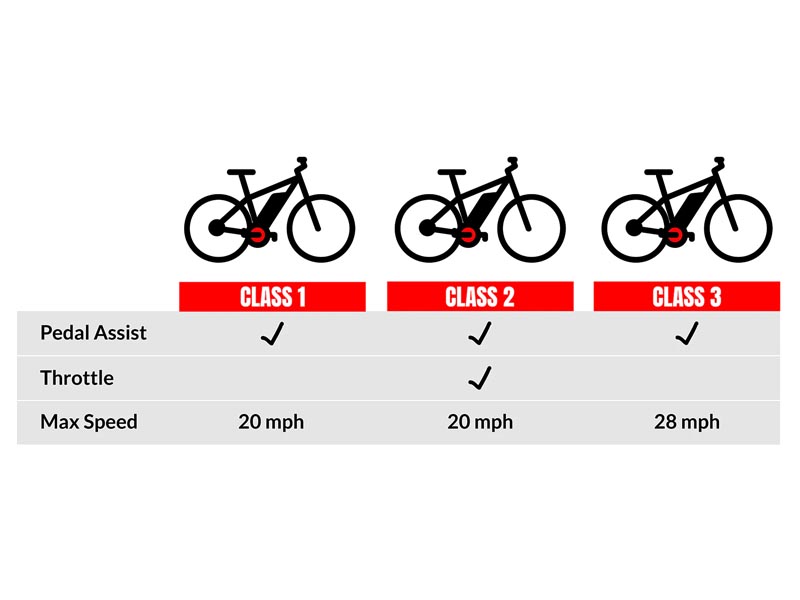
Laws governing e-bike usage often hinge on class distinctions. For instance, the areas permitted for a Class 3 e-bike might differ from those accessible to a Class 1 model. These regulations vary by state, with some states having specific classifications while others lack defined tiers altogether.
Despite regional variations, there are commonly accepted definitions for e-bike classes. Let's explore these classifications:
1. Class 1 E-Bikes
Also referred to as pedelecs, Class 1 e-bike activate propulsion solely through pedaling. These models offer pedal assist, devoid of throttle assistance, and are capped at speeds of 20 mph. Typically, Class 1 e-bikes share access with traditional bicycles on bike paths and lanes, subject to local ordinances.
2. Class 2 E-Bikes
Class 2 e-bikes feature both pedal and throttle assistance, allowing movement even without pedaling. Limited to speeds below 20 mph, these models are often permitted on conventional bike paths and lanes, aligning with regulations in many jurisdictions.
3. Class 3 E-Bikes
Known for their higher speeds, Class 3 e-bikes can reach up to 28 mph and are usually equipped with speedometers, with some states mandating this feature. While they can navigate roads and bike-only shoulder lanes, their potency typically excludes them from standard bike lanes, paths, or trails due to safety considerations.
Read More:
- The Electric Bike Revolution: Exploring the Pros and Cons
- 9 Tips for Choosing Your Perfect Electric Bike
- 8 Benefits of E-Bikes: Unlocking the Power of Pedal-Assist

Please complete your information below to login.
Sign In
Create New Account