Toggle Nav 



Road Bike Brakes: A Guide to Precision Riding
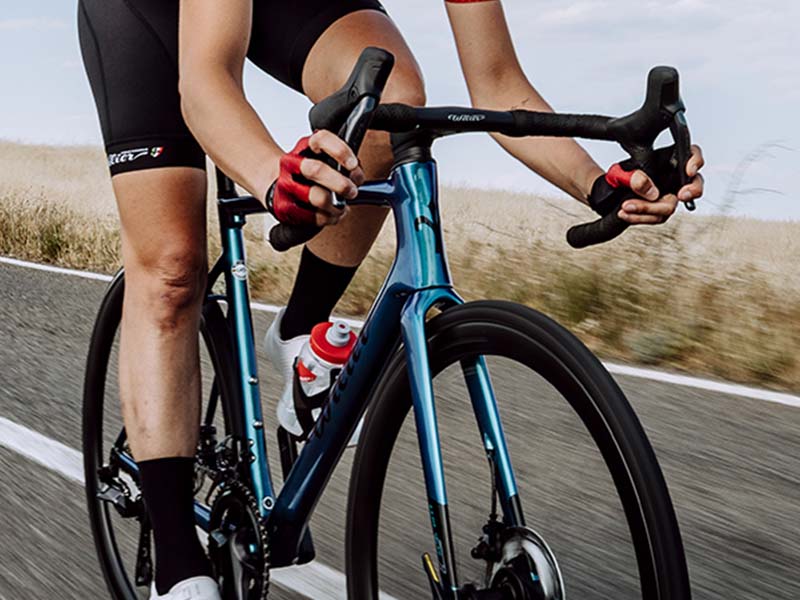
Brakes often play the undercover heroes, silently waiting until they’re needed most - when they save the day (and potentially your life). It’s at that moment you’ll cheer about their greatness. Cyclists heavily lean on these unsung champions to halt abruptly or delicately modulate speed, ensuring a safe and skillful negotiation of road nuances and hurdles.
As the road bike world offers a plethora of choices, from rim brakes to disc brakes, and hydraulic systems to cable-actuated mechanisms, the decision-making process can be both exciting and overwhelming. This guide is here to demystify the landscape of brakes options for road bicycles, helping you navigate through the choices to find the perfect fit for your road bike.
What Road Bike Brakes Are?
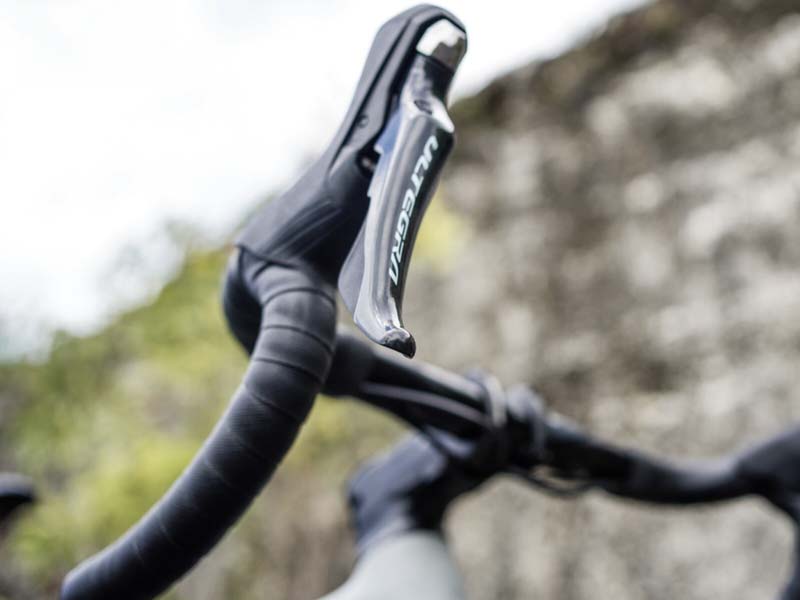
At the heart of every road bike, brakes serve as the silent guardians of your cycling escapades. These crucial components require a delicate balance of precision and power. Road bike brakes are designed for responsiveness, allowing cyclists to navigate varying terrains with confidence. Whether you're cruising through the urban jungle or conquering challenging mountainous paths, the right set of brakes ensures you're always in control.
Brake Components
Here's a breakdown of essential brake components you should be familiar with:
- Brake Levers: When contemplating an upgrade, it's crucial to consider brake levers. While not exclusive to brake calipers, riders must ensure compatibility between the lever and calipers for optimal performance. For instance, Shimano Ultegra's hydraulic road bike brakes utilize mineral oil, while SRAM relies on a synthetic DOT brake fluid. Mixing these fluids is strongly discouraged.
- Brake Pads: The world of road bike brake pads offers various options tailored to different rim compounds and weather conditions. It's imperative to note that brake pads for carbon wheels differ in compound from those designed for alloy wheels. Choosing the right pad ensures efficient braking in diverse conditions.
- Brake Cable: A damaged or frayed brake cable is a potential hazard, demanding immediate replacement to avoid untoward incidents. Ensure the installed cable is of high quality and properly fitted and greased during installation. A well-maintained brake cable is not just a matter of performance but a critical element for your overall riding safety.
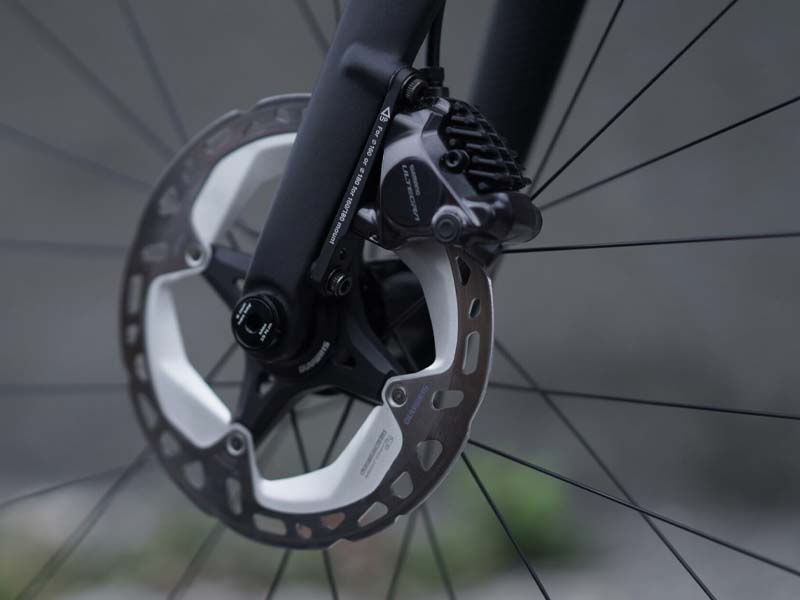
- Braking Surface: Whether your braking surface is a rotor in the hub or a rim wheel, cleanliness is key to optimal brake function. Regularly inspect for gouges and dents on your road bike, ensuring it remains free from any accumulated grime. Maintaining a pristine braking surface guarantees your brakes work at their full potential, providing the safety and performance you need.
Remember, a well-maintained braking system is not just an accessory – it's your ticket to a safer and more enjoyable ride.
Road Bike Brakes Type
Choosing the right brake for your road bike isn't just a matter of preference; it's a crucial compatibility issue. Each bike frame and fork are tailored to specific brake types, meaning you can't simply swap between rim and disc brakes without significant changes. Let's explore the key types of bike brakes:
Caliper Brakes
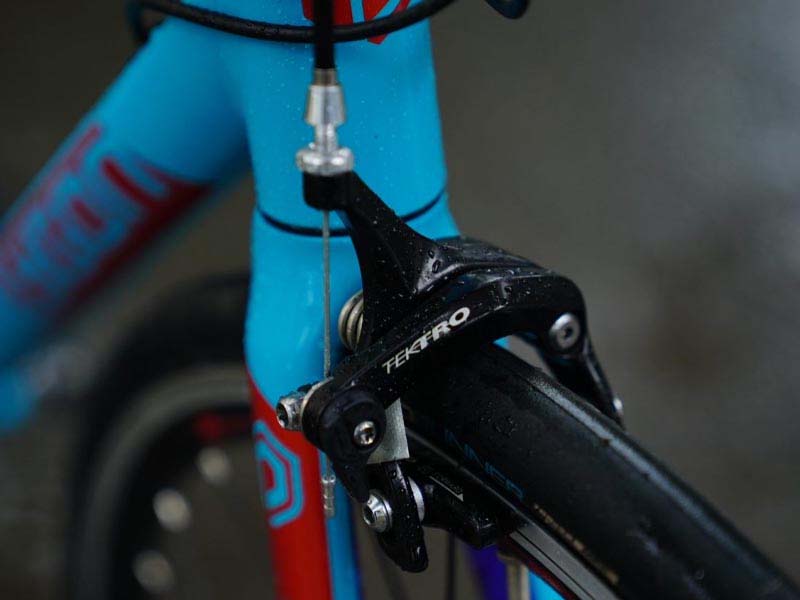
The term "caliper" is frequently tossed around, often referring to the mechanism activated by the brake lever. However, it signifies more than just a generic brake part; it's a distinctive type of rim brake system and happens to be the most prevalent. In essence, a caliper brake system takes the form of a U-shaped, singular unit affixed to the frame or fork through a lone mounting hole.
Further categorization involves the distinction between single-pivot and dual-pivot systems, indicating the point where the calipers pivot upon activation. The prevailing choice on contemporary bikes tends to be the more potent dual-pivot calipers. These dual-pivot wonders offer exceptional stopping power and precise control. With their straightforward setup, they're a favorite among pros, boasting an aerodynamic design perfectly suited for high-performance road bike.
V-Brakes
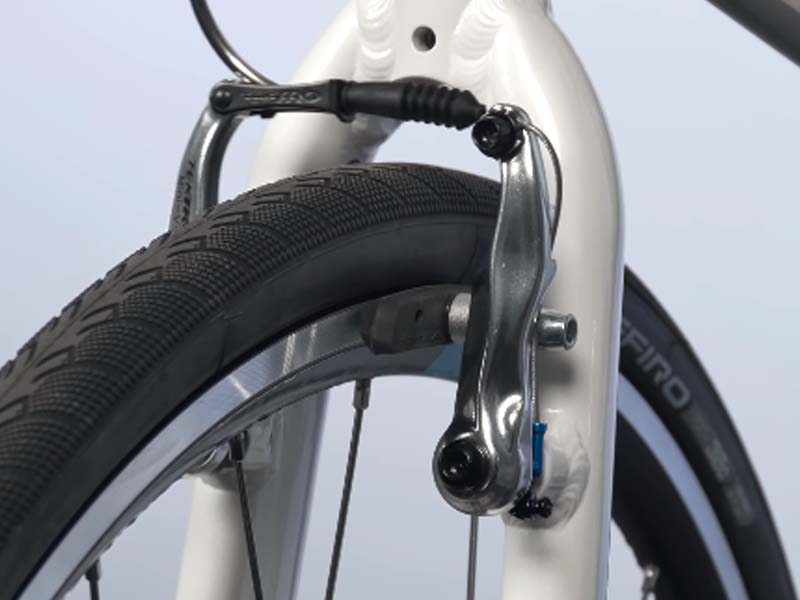
A variation of cantilever brakes, the V-brake style is commonly encountered on city bikes, hybrids, and touring bikes. Similar to cantilever brakes, V-brakes attach to bosses on the frame at the fork and seat stay, featuring two separate brake arms. However, unlike cantilever brakes, V-brakes operate on a direct-pull mechanism rather than a center-pull setup.
This means that when you squeeze the brake lever, one arm is drawn toward the rim, while the other is pushed in the same direction. This distinctive design of V-brakes provides robust stopping power for urban commuting and offers ample clearance for the addition of fenders to your bike.
Cantilever Brakes
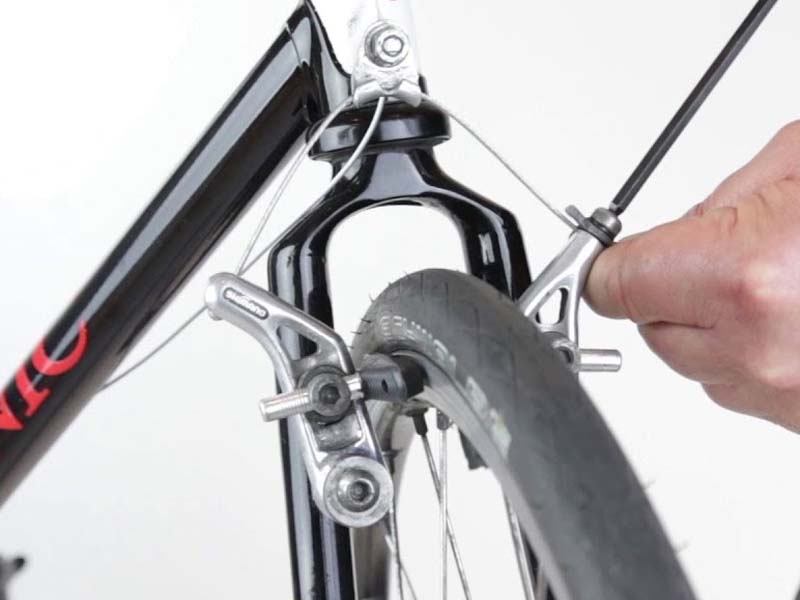
Similar to V-brakes, cantilever brakes attach to the fork blades and seat stays, offering exceptional clearance, lightweight design, and impressive leverage on the wheel rim. You'll often spot cantilever-style brakes on 'cross bikes, although their prevalence is diminishing as disc brakes prove their superiority, especially in muddy and slushy conditions.
The unique design of center-pull cantilever brakes involves two distinct brake arms positioned on either side of the rim. When you squeeze those brake levers, a center-pull cable tightens, orchestrating a synchronized movement of both brake arms, effectively pressing the pads against the rim. Cantilever brakes bring a winning combination to the table: ample tire and mud clearance coupled with commendable braking power.
Disc Brakes
The latest sensation in the cycling scene, disc brakes have swiftly become a top choice due to their unmatched stopping power and reliability. While their advantages are noteworthy, they do come with a set of drawbacks. Admired for their superior wet weather performance, consistent braking, and modulation, disc brakes face criticism from the "Weight Weenies" who argue that they add unwanted grams. The debate over their weight is diminishing as advancements make discs lighter.
Disc brakes come in two variations:
- Mechanical: Also known as "cable-actuated," mechanical disc brakes utilize a traditional steel wire cable to engage the caliper with the braking surface. While budget-friendly, they tend to be heavier, demand more braking force, and may encounter rotor rub and cable wear issues.
- Hydraulic: The game-changer in this scenario is the cable, or rather, the absence of it. Hydraulic disc brakes utilize a sealed hydraulic line, replacing the conventional cable with fluid. When you apply the brakes, it triggers the caliper and brake pads by compressing hydraulic brake fluid. Although they require more intricate maintenance, the heightened brake sensitivity and resistance to contamination make hydraulic disc brakes an appealing yet slightly more expensive choice.
Navigating the brake landscape isn't just about stopping power; it's about finding the right fit for your bike’s performance and your riding style.
Conclusion
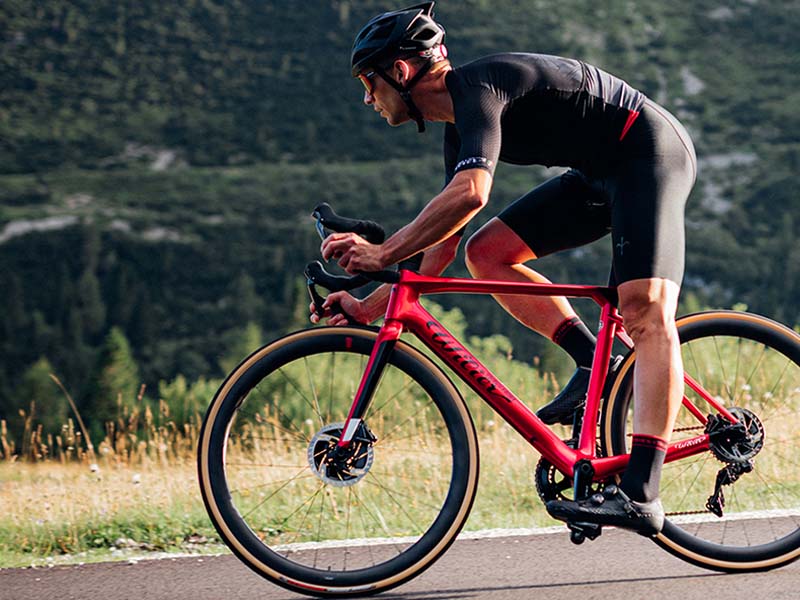
In the exhilarating realm of road biking, the right brakes elevate your riding experience. Unlock the potential of your road bike brakes – because every stop should be as memorable as the journey itself.
As you gear up for your next cycling adventure, consider the quality offerings at Rodalink Malaysia. Our curated selection of road bike brakes ensures optimal performance, safety, and style. Explore our collection today and ride with confidence.
Read More: How to Adjusting and Maintaining Your Bicycle Braking System

Please complete your information below to login.
Sign In
Create New Account