We use cookies to make your experience better. To comply with the new e-Privacy directive, we need to ask for your consent to set the cookies. Learn more.

















What Happens If You Fall Off a Bike Without a Helmet?
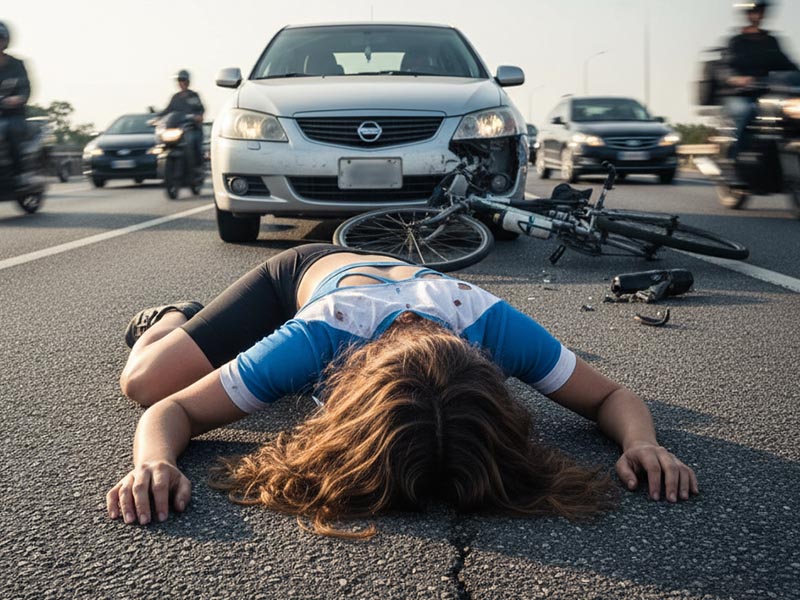
September 26, 2025 - It happened in a blink. One moment, pedalling along a quiet kampung road, the breeze in your hair. Next, a pothole swallows your front wheel. You hit the ground hard. The gravel stings, but it’s the sharp, ringing thud in your head that you remember most.
That’s the reality for countless riders every year, and in those seconds after impact, your head is dealing with forces it was never designed to handle. The truth? The difference between walking away and waking up in a hospital bed often comes down to one thing: whether or not you were wearing a helmet.
What Your Head Goes Through After a Fall?

How Fast Is ‘Fast Enough’ to Cause Damage?
You don’t need a long tour to be in danger. Studies show that even a fall at just 15 km/h can generate enough force to cause a concussion. Think about it: that’s the pace of a casual commute or a relaxed Sunday ride.
Yet at that speed, if your head hits the ground, the energy transfer is equivalent to dropping a melon from the top of a two-story building.
In traffic or on uneven roads, a simple slip, brake jam, or avoiding a stray cat can translate into a head-first impact with concrete or asphalt. And no matter how “tough” you think you are, biology can’t outmatch physics.
Why Your Skull Isn’t Built for Asphalt
The human skull is strong, strong enough to protect your brain from everyday knocks and bumps. But it’s designed for survival in nature, not high-speed collisions with unyielding urban surfaces.
Asphalt, cement, and metal car parts don’t “give” the way dirt or grass do. When your unprotected head meets them, all the kinetic energy from your moving body gets transferred into bone and brain tissue.
Your scalp might split. The bone might fracture. But even without visible damage, the brain inside is vulnerable to jolts, twists, and compressions that can cause lasting harm.
Brain Trauma Beyond the Obvious
Not every head injury is visible from the outside. A grazed cheek or bruised chin might draw more attention than a “small” bump on the head, but it’s the unseen trauma that’s often more dangerous.
Inside your skull, the brain is suspended in fluid. On sudden impact, it can bounce, twist, or compress, stretching delicate nerve fibers. These issues might not show symptoms right away. Riders sometimes walk home after a fall, only to collapse hours later when swelling becomes critical.
Common Injuries from Cycling Without a Helmet

Concussions and Memory Issues
A concussion is essentially your brain being shaken inside your skull. Even a “mild” one can cause dizziness, blurred vision, light sensitivity, and trouble concentrating. In many cases, riders don’t remember the crash itself, a telltale sign of temporary memory loss.
Recovery isn’t instant. It can take days, weeks, or even months, during which work performance, mood stability, and physical coordination can be affected.
Facial Injuries and Broken Teeth
Without the minimal protection of a cycling helmet’s visor or front lip, your face is exposed. A forward fall can lead to:
- Broken or chipped teeth
- Split lips or gums
- Fractured cheekbones or jaw
- Eye injuries from debris or impact
Repairing these injuries is not only painful but can be far more expensive than buying quality headgear in the first place.
Neck Strain and Spinal Concerns
When you fall, your neck often takes a whip-like jolt as your body tries to absorb the impact. While helmets don’t prevent neck strain directly, they can reduce the likelihood of awkward, skull-first landings that transmit shock down the spine. In severe crashes, preventing that first heavy hit can mean avoiding a chain reaction of injury.
How a Helmet Changes the Outcome?
Energy Absorption in Modern Helmets
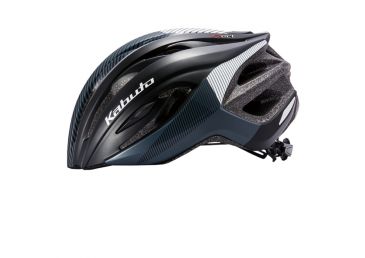
A bike helmet is more than just a hard shell. Inside, there’s a layer of crushable foam designed to deform on impact. This controlled destruction absorbs and disperses energy, reducing the force that reaches your skull.
The difference is measurable: riders wearing bike helmets are significantly less likely to sustain severe head injuries in similar crashes.
Some models also feature MIPS (Multi-directional Impact Protection System) technology, which allows the helmet shell to rotate slightly upon impact, reducing the rotational forces that can cause brain injuries.
Design Features for Malaysian Climate
In tropical climates, heat and humidity are often cited as reasons riders skip helmets. But modern designs address this with:
- Wide ventilation channels to keep air flowing.
- Moisture-wicking pads that pull sweat away from your skin.
- Anti-bacterial linings to reduce odour and irritation.
- Lightweight shells that don’t feel like a burden, even on long rides.
These features mean you can ride safely without feeling like you’re cooking under a layer of plastic.
Stats and Studies from Regional Sources
Malaysian crash analysis by the Malaysian Institute of Road Safety Research (MIROS) found that most cycling fatalities occur on federal and state roads, often in rural or small-town stretches, with straight road sections being the most common crash sites.
These figures aren’t just numbers; they reinforce a critical message: on Southeast Asia’s mixed-traffic roads, wearing a proper, certified bike helmet isn't optional, but it’s essential protection.
Overcoming the Excuses for Not Wearing a Helmet

“It’s too hot”: Ventilation Hacks
Choose models with at least 18 vents and removable padding. Some riders use a thin, moisture-wicking bandana under the bike helmet to absorb sweat and keep the sun off the scalp. It’s cooler than riding bare-headed in direct sunlight.
“I’m just riding nearby”: Why Short Rides Can Still Be Risky
Most accidents happen close to home. Familiar routes can lull you into a false sense of safety, but hazards are everywhere: an unseen pothole, a reversing car, or a child chasing a ball into the street. Whether it’s 200 metres or 20 kilometres, the risk doesn’t disappear with distance.
“Helmets are expensive”: Affordable but Safe Models
You don’t need to spend hundreds of ringgit to get certified protection. Many budget-friendly models under RM100 meet international safety standards like the Polygon Rustle helmet. When shopping, look for certification labels (like EN 1078 or CPSC) rather than brand prestige alone.
Read also:
- Is a Bike Helmet Really Necessary?
- How to Choose a Good Bike Helmet?
- 5 Best Bike Helmets for Daily Commuting Under RM200
Final Thoughts
So, before your next ride—whether it’s a weekend adventure, a quick trip to the kedai, or your daily city commute—make sure you ride smart with a reliable helmet.
Explore the helmet collection at Rodalink and check out the latest Rodalink promos for deals that keep you safe and make your rides even more enjoyable.
Bike helmet recommendations you might like