Toggle Nav 



Tips for Buying a Secondhand Electric Bike
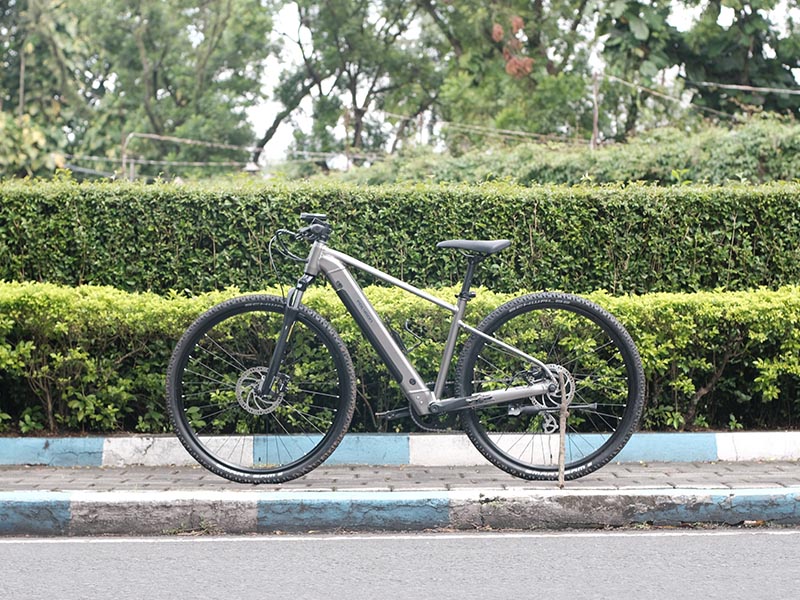
Electric bikes (or e-bikes) have become a popular choice for commuters, casual riders, and cycling enthusiasts looking to travel further with less effort.
However, the price tag for a new electric bike can be a significant barrier for many. Entry-level models often start at a few hundred dollars, but mid-range or high-end models easily run into the thousands.
This steep cost pushes many to consider secondhand electric bicycles as a more affordable option. Buying used can seem like a smart way to enjoy the benefits of electric-assisted cycling without breaking the bank. But is a secondhand electric bike worth it? It depends.
In this article, we’ll explore the advantages and risks of buying a used electric bike, what to watch out for, and a handy checklist to help you make a safe and smart purchase.
Benefits of Buying Secondhand Electric Bikes
If you're looking to dip your toes into the world of e-bikes without draining your wallet, going secondhand can be a solid move. When done right, buying a used electric bicycle can offer more value than you'd expect. Here are some key upsides:
- Lower Cost, Bigger Savings: The most obvious benefit is the price. A well-maintained used e-bike can cost 30–50% less than a new model. That’s a significant savings, especially for budget-conscious buyers or first-time users testing the waters.
- Better Value for Features & Specs: Buying secondhand allows you to get higher-tier components and better performance at a much lower price point. You might land a model with a powerful motor, longer-range battery, or hydraulic disc brakes—features typically reserved for more expensive new models.
- Wider Choices for Entry-Level Buyers: When buying new, your options are usually limited by your budget. But in the secondhand market, your money can stretch a lot further. Refurbished marketplaces sometimes also offer diverse options in frame styles, motor systems, and battery ranges, helping you find a ride that matches your lifestyle and needs without compromise.
What Cyclists Should Consider Before Buying a Used E-Bike?
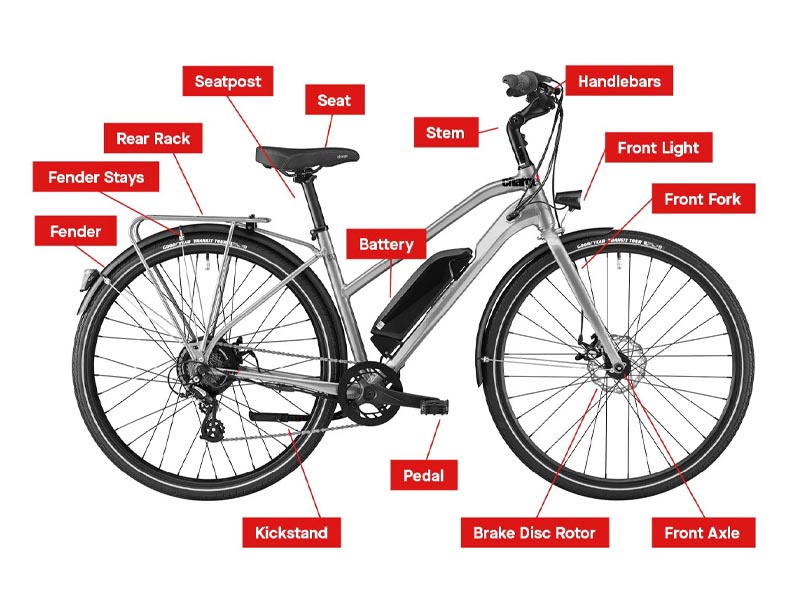
Here are the most important things to inspect and evaluate before handing over your money:
1. Battery Health and Charging History
The battery is the most expensive and essential part of any e-bike. Over time, lithium-ion batteries degrade. After about 500–1,000 charge cycles, most e-bike batteries start to lose capacity significantly.
Ask the seller:
- How many times has the battery been charged?
- How long does it currently last on a single charge?
- Has it been stored properly (indoors, not fully depleted)?
You should test the battery on a ride, if possible, and check for signs of swelling or overheating. If the seller can’t answer these questions, it might be a red flag.
2. Motor Wear and Electronic Components
Just like a car engine, an e-bike motor is subject to wear. While quality motors (like Bosch or Shimano) are built to last, they can still fail—especially if the bike was heavily used or exposed to rough conditions.
You should:
- Test the motor on different speed modes.
- Listen for any strange noises or grinding sounds.
- Check if the pedal-assist and throttle (if available) respond smoothly.
Also, inspect the display screen, controller, and wiring. Issues with these components can be expensive to fix and are often overlooked.
3. Brand Reputation & Warranty Status
A secondhand electric bicycle from a well-known brand like Polygon or Marin gives you a better shot at longevity. Trusted brands often offer better build quality, customer support, and part availability.
Key questions to ask:
- Is the original warranty transferable?
- Is the brand still actively producing parts for this model?
Refurbished bikes from certified programs may even come with a limited warranty, offering peace of mind that you won’t get stuck with an expensive repair right away.
4. Parts Availability
Older or obscure e-bikes can be difficult—and expensive—to repair if parts are no longer available. Before buying, look into whether you can still find:
- Replacement batteries
- Specific motor or controller parts
- Firmware updates (if it’s a smart bike)
Buying a used bike with hard-to-find components is a gamble. Stick to mainstream motor systems (like Bosch or Shimano STEPS), which are widely supported.
What to Do Before Dealing with the Seller?

Before you shake hands and transfer payment, you should do some homework and bring a sharp eye and a few pointed questions to your meeting with the seller. This part can make or break your buying experience.
1. Ask these Questions
Whether you're buying from a marketplace, a forum, or even a friend, don’t be shy about asking these key questions:
- How old is the bike? Knowing the model year helps you check battery age, tech compatibility, and part availability.
- How many total kilometers/miles has it been ridden? This gives you a rough idea of how worn out the motor and drivetrain might be.
- Has the bike ever been in an accident? Damage from crashes can impact the frame, battery casing, or motor alignment.
- Have any parts been replaced? Upgrades can be a bonus, but you’ll want to ensure they're compatible and safe.
- Do you have proof of purchase or original documents? This helps verify ownership and that it’s not a stolen electric bike.
Ask for photos or receipts of regular maintenance. A well-cared-for secondhand electric bicycle will usually show signs of a responsible owner.
2. Test Ride and Visual Inspection
Don’t skip this step—a quick ride and close inspection can reveal hidden issues. Here’s a mini checklist to bring along:
- Frame & Fork: Look for cracks, rust, or dents (especially on the weld joints and downtube). Make sure the frame geometry feels balanced when you ride.
- Brakes & Tires: Test both brakes for responsiveness and noise. Check for uneven tire wear or low tread (you might need replacements soon).
- Motor & Battery: Power on the display and test different assist levels. Confirm that the battery charges correctly (if possible, ask to see it plugged in).
- Electrical System: Inspect wires and connectors—are they loose or frayed? Test the lights, display, and any integrated tech features.
You should also check if the firmware is up to date, especially for e-bikes with smart features or digital locks.
Read also
- Tips for Saving Your E-bike’s Power On The Road!
- E-Bikes: A Greener Way to Ride
- E-Bike Accessories for a Comfort Ride
When You Shouldn't Buy a Secondhand Electric Bike?
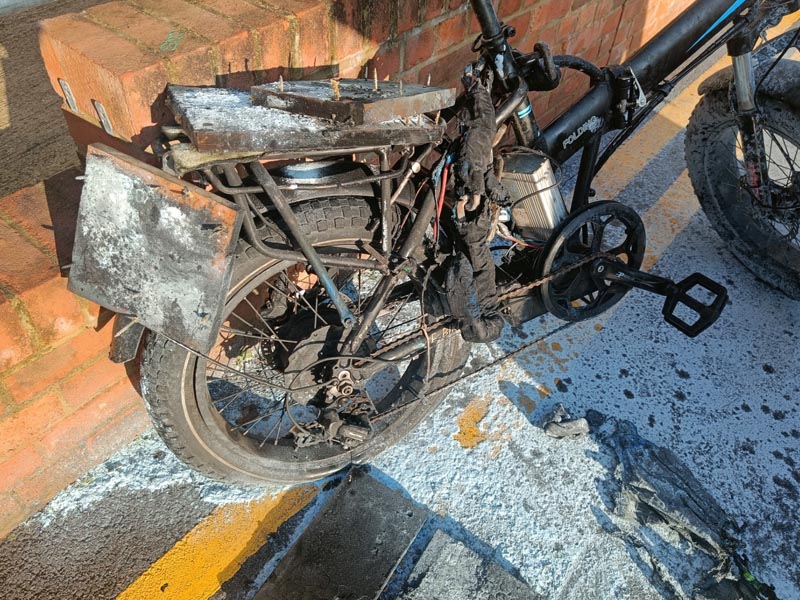
Sure, everyone loves a good deal—but sometimes, a cheap price tag comes with hidden headaches. If you spot any of these red flags, it’s okay (and wise) to walk away.
- The Bike Is “Too Cheap to Be True”: If the price is way below the typical market value, that’s a major red flag. Either the e-bike has serious hidden issues, or worse, it could be stolen. A suspiciously low price can often signal battery degradation, a faulty motor, or past damage that the seller is trying to offload.
- No Parts Available or Obsolete Tech: If the bike uses a discontinued motor system or a brand that no longer exists, future repairs could become impossible. You don’t want to end up with a dead battery and no way to replace it.
Buying used makes sense only if essential parts like the battery, charger, and motor system are still supported by the brand or compatible third parties. - No Proof of Ownership or Paperwork: Always ask for a purchase receipt or serial number. If the seller can’t provide it, or if the serial number appears tampered with, back away.
Buying a stolen electric bicycle not only puts you at legal risk, but you’ll also have no recourse if the police confiscate it. If you’re unsure, run the serial number through a local registry or theft database in your region. - Sketchy Seller Behavior: If the seller dodges questions, refuses a test ride, or insists on meeting in unusual places (like parking lots at night), that’s a serious red flag. Reputable sellers should be transparent, responsive, and willing to let you inspect the bike properly.
Final Thoughts: Is a Secondhand Electric Bike Worth It?
In short, yes, a secondhand electric bike can be worth it if you do your research, ask the right questions, and know what to look for. For many riders, it’s a budget-friendly way to enjoy the benefits of pedal-assist without the steep price tag.
But it’s not a shortcut. You’ll need to approach the purchase carefully, just like buying a used car. Focus on reputable brands, check battery health, and only buy from sellers who are transparent and cooperative. When in doubt, consider going through certified refurbishers for extra peace of mind.
Electric bike & accessories you might like
- Polygon Gili Velo Electric Bike 2023MYR 4,999.00
- Marin Alpine Trail E1 Electric BikeMYR 22,999.00-20%Special Price MYR 18,399.20
- Marin Alpine Trail E2 Electric BikeMYR 29,999.00-20%Special Price MYR 23,999.20
- Topeak Aero USB 1W Combo Light SetMYR 366.00



Please complete your information below to login.
Sign In
Create New Account