Toggle Nav 



Road Cycling Pro Techniques: Ride Faster, Longer, and Smarter
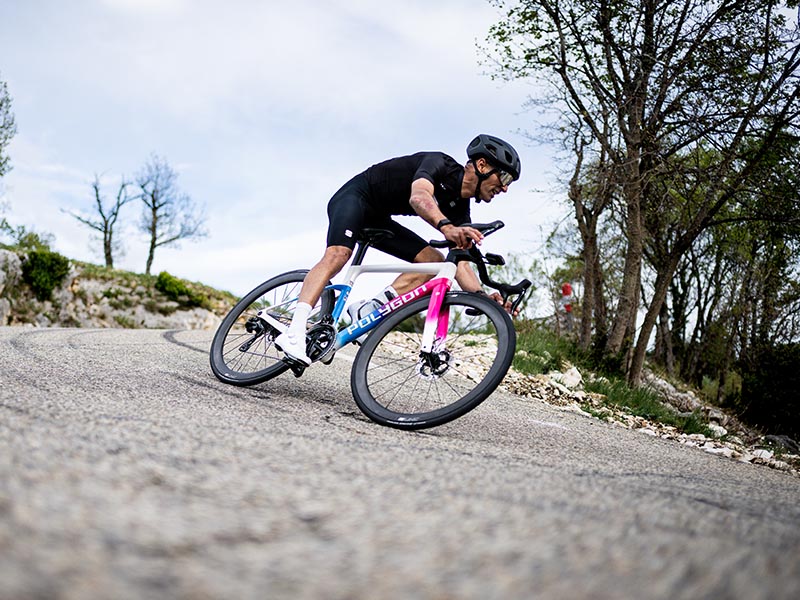
July 9, 2025 - If you want to ride faster, longer, and with more confidence on your road bike, mastering the right techniques is non-negotiable.
Professional cyclists don’t just rely on fitness; they apply science-backed methods to maximize every watt of power, hold speed through corners, and stay strong across changing weather conditions.
From cadence control to efficient braking, these techniques help you transform from an average rider to a smarter, faster road cyclist.
Think of this guide as your coach on the road: empowering, motivating, and rooted in proven training principles. Let’s break down the essential road cycling techniques that can truly level up your ride.
Technique 1: Master Your Cadence and Smooth Gear Shifting
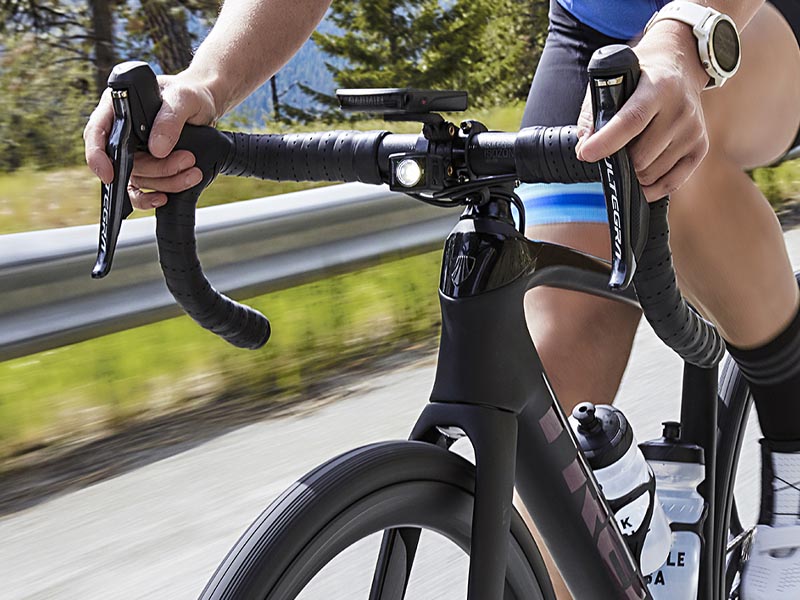
Think of your cadence as the heart of your ride. Pro cyclists target a smooth, consistent rhythm of around 80–100 revolutions per minute (rpm), keeping their legs fresh while maintaining steady power.
It’s never about grinding a massive gear with brute strength; the secret lies in letting your legs spin freely and efficiently, conserving energy for the long haul. Smart gear shifting is what makes this possible.
Anticipate what’s coming: shift down before you hit a climb so you don’t stall, then shift up as you crest to keep your momentum rolling on the flats.
Modern road bicycles have precisely engineered drivetrains, so use them to keep your pedaling silky-smooth. Tune in to your breathing and the feel of the road beneath you; adjust cadence and shift early to stay in your power zone without overloading your legs.
Like any good cycling coach would remind you, the best riders practice cadence drills regularly to build muscle memory. Mix in spin-ups, high-cadence intervals, and mindful gear changes so your legs stay light and efficient, the surest way to ride stronger, recover faster, and go farther.
Technique 2: Proper Bike Pedaling
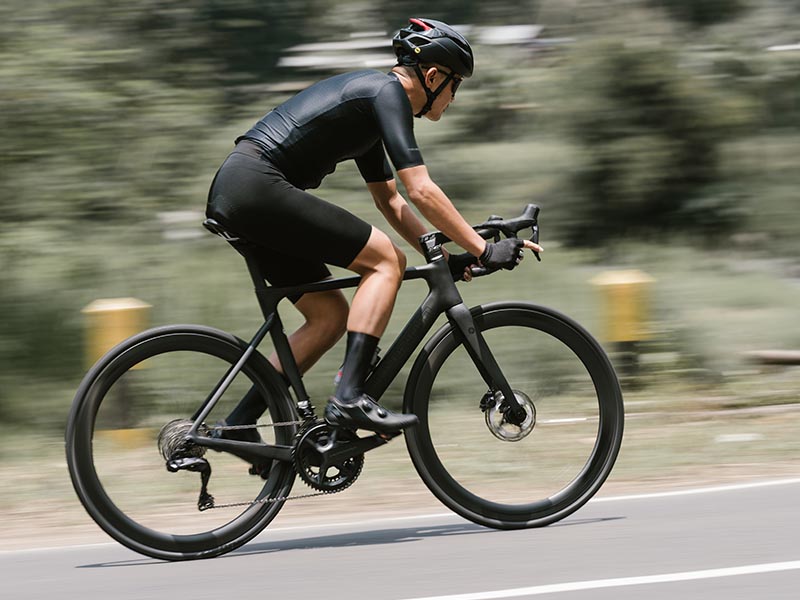
When you watch elite cyclists, you’ll notice their pedal strokes look effortless yet powerful. That’s because they focus on a smooth, circular motion instead of simply stomping down on the pedals.
Imagine scraping mud off your shoes at the bottom of the stroke, then smoothly lifting back up. This technique recruits more muscle groups, not just your quads, but also your hamstrings and calves, distributing the workload more evenly and reducing fatigue.
Clipless pedals and stiff-soled cycling shoes are essential tools for developing this skill. They lock your feet into the ideal position, so you can maximize power transfer on every part of the pedal stroke.
Keep your ankles relaxed, avoid “mashing” in a jerky pattern, and aim for consistent, fluid circles. Training your pedal technique on easier rides builds a neuromuscular foundation that will pay dividends whenever you need to accelerate, climb, or maintain high speed over distance.
Technique 3: Weight Distribution and Aero
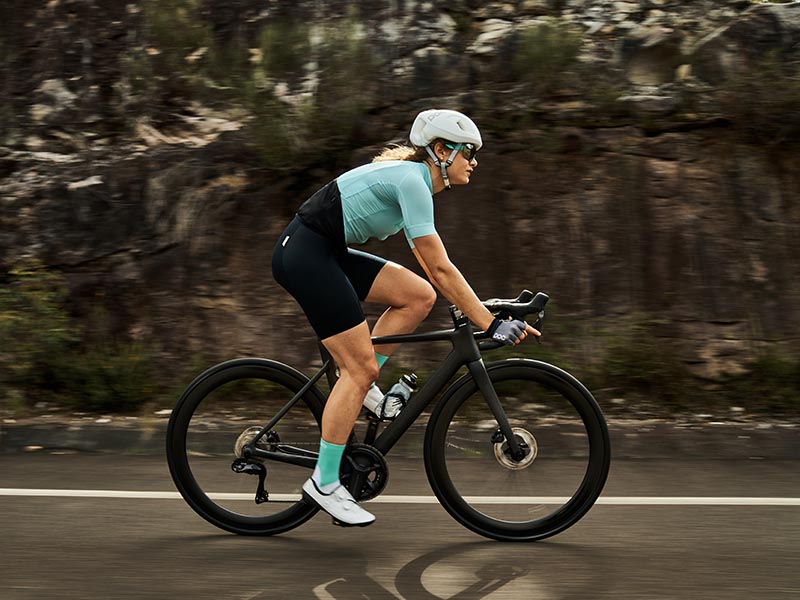
Your road bike is built for speed, but you need to work with it, not against it. That means mastering your body position.
Distribute your weight evenly to maintain balance and control, especially when standing on climbs or cornering at high speed.
Keep your elbows bent, core strong, and upper body relaxed to absorb shocks from the road while preserving maximum traction through the tires.
When you want to go fast, adopt a more aerodynamic position by lowering your torso and tucking your elbows in.
This reduces drag, helping you slice through the wind without burning extra energy. Practicing your aero position takes time and patience, but the gains in speed and efficiency are undeniable.
Like a pro coach would tell you: stay loose yet powerful, and let your bike work as an extension of your body.
Technique 4: Brake and Don’t Pedal While Cornering
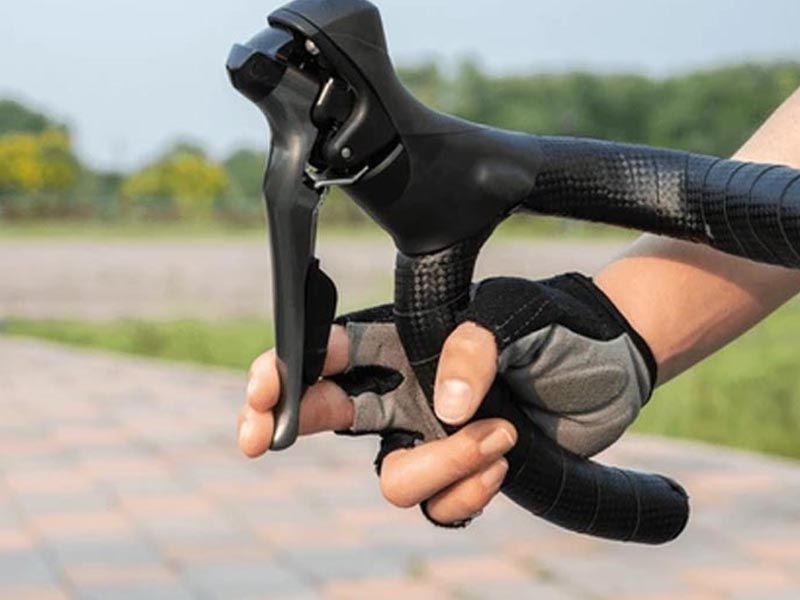
One of the top mistakes recreational riders make is braking too late or trying to pedal while leaned over in a turn.
Pro cyclists know the rule: slow down before you enter the corner, then hold a smooth line through it. This keeps your tires gripping the pavement with maximum traction, reducing the risk of a washout or a dangerous skid.
Pedaling through a tight corner can upset your balance, causing pedal strikes or shifting your weight unpredictably. Instead, coast through the apex with level pedals, outside foot pressed down for extra stability.
Look through the corner, not at it, and trust your line. These skills might feel awkward at first, but they’ll quickly become second nature, and they’ll boost your cornering confidence dramatically.
Technique 5: Don’t Squeeze Your Brake Too Hard

Your brakes are there to help you, but if you slam them mid-corner, you could easily lose traction and go down. Think of your brakes as a dial, not an on-off switch. Apply smooth, progressive pressure before the corner, and release as you lean in. This helps maintain tire grip and keeps the bike balanced as you change direction.
Using both front and rear brakes in a controlled manner will help you slow down quickly without losing stability.
Over-gripping the front brake is a classic beginner error that can send you over the handlebars, while overusing the rear brake may cause a skid. Develop a feel for your brake modulation by practicing emergency stops in a safe area; it’s a skill every serious road cyclist should own.
Technique 6: Train for All Weather, All Roads
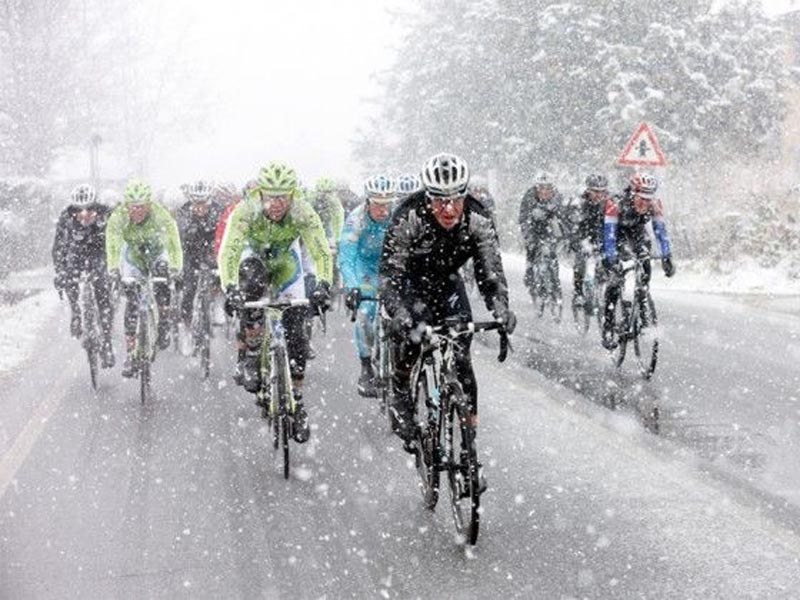
If you want to ride like a pro, you need to be ready for anything. Rain, wind, intense heat, the road doesn’t care, and neither should you. Train yourself to handle poor weather so you’re never caught off guard.
That means testing your gear choices, dialing in your clothing layers, and understanding how your bike behaves in wet or windy conditions.
Pro riders know that confidence in bad weather comes from practice. Work on cornering on damp roads, braking gently on slick surfaces, and managing crosswinds.
Respect the road’s conditions, but don’t fear them. By training for all seasons, you’ll build skills, resilience, and mental toughness, the true marks of an experienced road cyclist.
Dial in Your Bike Setup & Equipment for Pro-Level Performance
A powerful technique means little if your road bike doesn’t fit you properly.
Ideal saddle height & position
- Set saddle height so your knee has a slight bend at the bottom of each pedal stroke, maximizing power while protecting your joints.
- Position the saddle fore-aft so your kneecap aligns roughly over the pedal axle when the cranks are horizontal, improving balance and pedaling efficiency.
Use proper road bike shoes, cleats, & pedals
- Choose stiff-soled road cycling shoes to transfer every watt of power efficiently.
- Adjust your cleats to maintain correct knee alignment and avoid discomfort or injuries.
- Pair with quality clipless pedals to secure your foot in the optimal position, allowing smooth, confident power through the entire pedal stroke.
When everything clicks, your bike fit, your gear, and your body, you’ll feel like you’re truly one with the machine, ready to tackle any challenge the road throws your way.
Read also
Conclusion
Like any skilled coach will tell you, riding faster and farther is not just about grinding harder — it’s about riding smarter.
By mastering cadence and gear shifting, refining your pedal stroke, perfecting your body position, and learning how to handle corners with confidence, you’ll transform your road cycling experience.
Add in the discipline to train in all weather conditions and dial in the right bike fit, shoes, cleats, and pedals, and you’ll unlock performance gains you never thought possible.
These science-backed techniques aren’t reserved for the pros — they’re yours to master with commitment and practice. Trust the process, invest in your skills, and you’ll discover the thrill of pushing your road bike to its true potential.
Remember: every ride is a chance to get better, stronger, and more confident. Now clip in, focus on your technique, and take your road cycling to the next level.
Essential road cycling stuff you might like
- Bellwether Flight 2.0 GlovesMYR 99.00-70%Special Price MYR 30.00
- Kabuto Hike Bike HelmetMYR 519.00



Please complete your information below to login.
Sign In
Create New Account