We use cookies to make your experience better. To comply with the new e-Privacy directive, we need to ask for your consent to set the cookies. Learn more.
















Maintain the Folding Bike’s Hinge: A Complete Guide
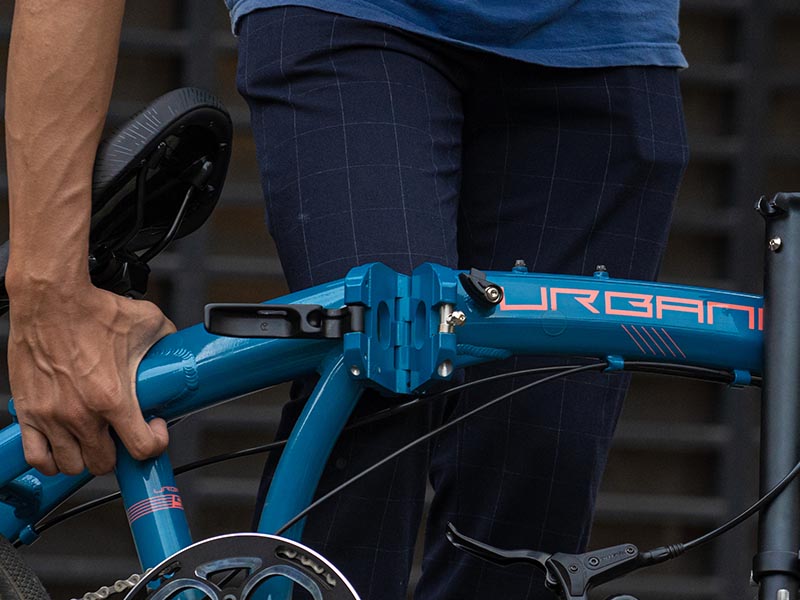
If you ride a foldable bike regularly, you already appreciate the convenience it brings. Folding bikes are compact, easy to store, and perfect for urban commuting. At the heart of this convenience lies the folding bike hinge, a small but vital component. This hinge allows the frame to fold and unfold smoothly, making your bike easy to transport. But like any moving part, it needs care. Without proper folding bike maintenance, the hinge can become a safety hazard.
In this article, we’ll walk you through how to maintain your hinge properly, identify signs of wear, and keep your folding bike in top shape. All tips apply to common models sold at Rodalink and beyond.
Why Hinge Maintenance Matters?
The folding hinge connects major parts of your bike’s frame and ensures they lock securely in place when riding. If it fails, the consequences can be dangerous—a loose hinge can cause wobbling, poor handling, or even frame collapse. That’s why regular maintenance isn’t just about keeping your bike clean—it’s about keeping you safe.
When your hinge is in top condition:
- Folding and unfolding become smooth and effortless
- Your ride stays solid and wobble-free
- You avoid expensive repairs from neglect
Let’s dive into how to spot problems before they get worse.
When Does Your Folding Bike’s Hinge Need Attention?
Whether you ride your folding bike daily or just on weekends, these signs shouldn’t be ignored. They tell you your hinge needs some maintenance before things get worse:
1. Unusual Creaking or Clicking Sounds
If your bike squeaks or clicks when you pedal or fold it, these noises often point to dryness, dirt buildup, or looseness at the hinge. A well-maintained hinge should operate quietly. When you start to hear these sounds—especially during folding, unfolding, or pedaling—it’s your bike's way of telling you something’s wrong. Left unchecked, it could mean damage to the frame or hinge pin over time.
2. Difficulty Folding or Unfolding
If you suddenly find it harder to fold or unfold your bike, that’s a red flag. Grit, rust, or lack of lubrication could be the culprit. Ignoring this issue can cause more friction and possibly lead to deformation of hinge parts, making repairs costlier.
3. Visible Rust or Grime Buildup
Surface rust may look minor, but it can quickly spread, especially in high-humidity or coastal environments. Grime acts like glue, trapping moisture and dirt around the hinge. Over time, this degrades both performance and appearance. Regular cleaning is a must.
4. Loose Locking Mechanisms or Wobbly Joints
If your hinge doesn’t lock firmly or feels unstable when you ride, stop immediately. Loose or worn locking parts are dangerous, as they can fail mid-ride. Not only does it impact your ride quality, but it also compromises your safety by risking frame collapse or joint separation.
Catching these signs early can save you from bigger problems later. Let’s now move on to how you can maintain your hinge step by step.
Step-by-Step Hinge Maintenance
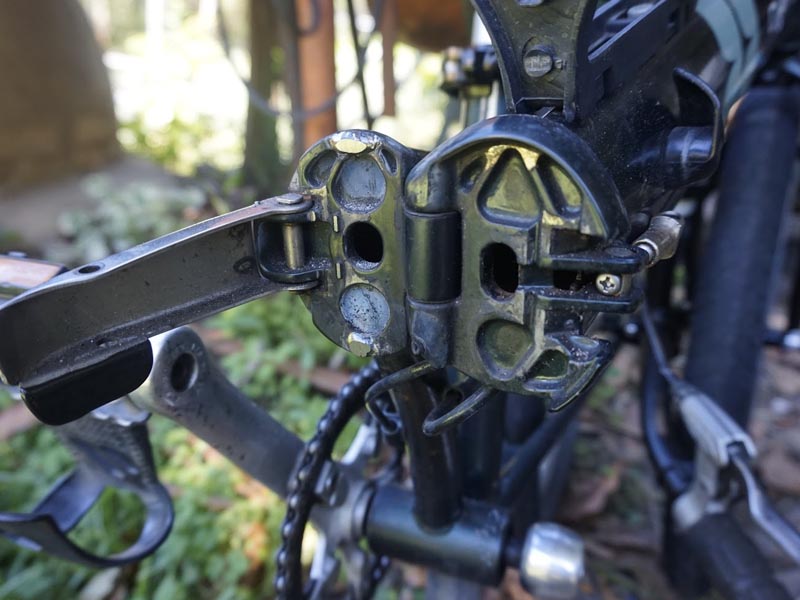
Maintaining your folding hinge doesn’t require special skills—just a bit of patience and the right tools. Here's how to do it:
- Clean the Hinge Area: Use a soft brush or clean cloth to remove dirt and debris. For stubborn grime, a mild soap solution can help. Avoid spraying water directly into the hinge to prevent moisture buildup inside.
- Lubricate with Bike-Specific Grease: Apply a light layer of bike-specific lubricant or hinge grease. Avoid household oils—they attract dirt. Rotate the hinge gently to let the lubricant spread evenly inside the joint. A key takeaway is using precision greasing and avoiding over-applying. A drop or two at each pivot point is sufficient.
- Inspect for Damage: Check the hinge housing and locking lever. Look for cracks, misalignments, or wear marks. If anything looks suspicious, consult a bike mechanic or your Rodalink service center.
- Tighten the Bolts: Use the correct hex key or wrench to tighten bolts. Do not overtighten—you risk stripping the threads or cracking the frame. Just snug enough that nothing wobbles. A torque wrench can be handy if your bike’s manual specifies a torque range.
Do’s and Don’ts for Long-Term Hinge Health
Do:
- Clean and lube the hinge monthly—or weekly if riding in rain or coastal areas. This prevents rust, reduces friction, and ensures smooth folding/unfolding. Water and road grime can quickly wear down the hinge components if left unchecked.
- Store your bike indoors or use a bike cover to prevent rust. Humidity and rain exposure accelerate corrosion, especially in the hinge's tight spaces.
- Perform pre-ride checks—make sure the hinge locks securely before every ride. This quick inspection helps catch issues early, avoiding accidents caused by a loose frame.
- Consult your user manual for any specific hinge maintenance instructions. Different bike brands may use different hinge mechanisms with unique maintenance needs.
Don’t:
- Don’t use thick grease—it can trap dust and interfere with movement. While you might think thicker means better lubrication, in bike hinges it does the opposite. Dust and dirt stick more easily to thick grease, turning your hinge into a grime trap that hinders smooth motion.
- Don’t force the hinge—if it feels stuck, clean and inspect before applying force. Forcing a jammed hinge can damage internal components, warp the mechanism, or even break the locking system, making repairs more complicated and costly.
- Don’t ride with a loose hinge—pause and fix it. Your safety comes first. A loose hinge can lead to frame instability, loss of control, or even cause the bike to fold unexpectedly while riding.
- Don’t ignore strange noises—squeaks or creaks are your bike’s way of asking for help. These sounds often mean friction or misalignment. Ignoring them can lead to wear and tear that may eventually cause component failure.
Bonus Tips for Foldable Bike Maintenance
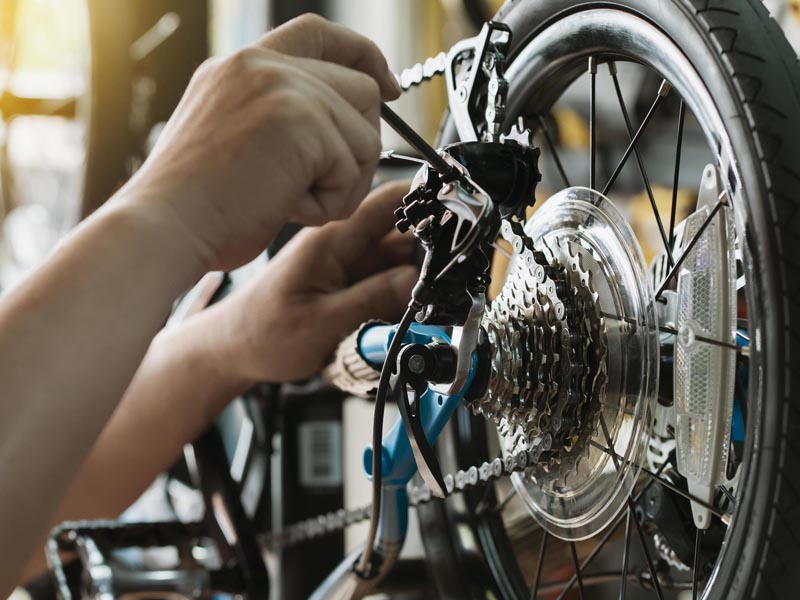
While the hinge is crucial, maintaining the entire folding mechanism helps extend your bike's life:
- Check the latch mechanism regularly for cracks or bent parts.
- Inspect cable routing—on some folding bikes, cables near the hinge can get pinched.
- Use protective film around hinge areas to reduce paint scratches.
- Replace hinge parts if your bike’s manufacturer offers updated or upgraded kits.
Read also:
- Should You Get A Foldable Bike?
- How to Fold and Unfold a Folding Bike?
- The Best Accessories for a Folding Bike
Final Thoughts: Keep Riding Safe with the Right Care
Taking good care of your folding bike hinge is one of the simplest but most important ways to keep your foldable bike running safely and smoothly. A clean, well-lubricated, and properly tightened hinge makes folding effortless and helps you avoid serious mechanical issues on the road.
The good news? It doesn’t take much—just a regular cleaning schedule, a bit of the right grease, and some attention to detail. If you hear creaks, see rust, or feel instability, don’t wait to act. Prevention is key when it comes to folding bike maintenance.
For riders who want peace of mind and convenience, Rodalink offers specialized maintenance kits made for folding bikes. These include compact tools, lubricants, and cleaning essentials to keep your bike in excellent shape. Don’t leave safety to chance—invest a little time in maintenance and ride with confidence every day.
Top folding bike picks for you