We use cookies to make your experience better. To comply with the new e-Privacy directive, we need to ask for your consent to set the cookies. Learn more.
















Steps to Changing a Bike Tube
Are you ready to hit the road with smooth and reliable tires on your bike? Learning how to change bike tires is an essential skill for any cyclist. Whether you're facing a flat tire or simply want to upgrade your wheels, knowing how to replace bike tires will save you time, money, and frustration. In this guide, we'll walk you through the process of changing bike tires step by step, from removing the old tire to installing a new one. Let's dive in!
Tools Needed to Change the Bike Tire Tube
Of course, you'll need several tools to change a bike tire tube. The tools you'll need are:
1. Tire Levers
These are essential for prying the tire away from the rim without damaging the inner tube. Tire levers come in various designs, typically made of plastic or metal, and are designed to provide leverage while minimizing the risk of puncturing the tube.
2. New Inner Tube
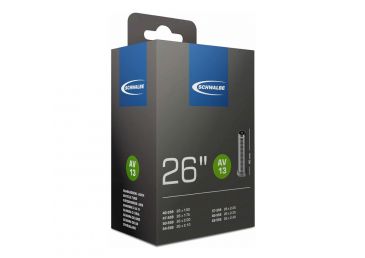
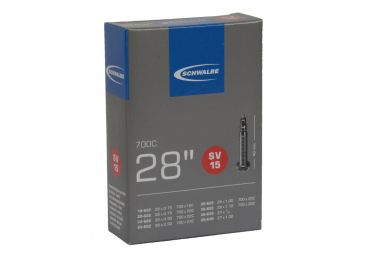
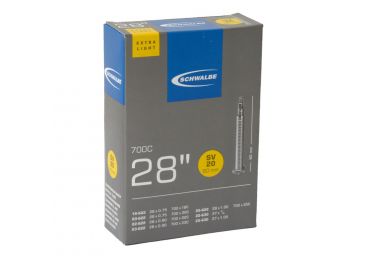
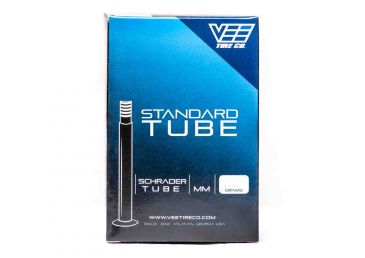
Ensure you have a replacement inner tube that matches the size and valve type of your bike's tires. Inner tubes come in different sizes to accommodate various tire widths and are available with either Presta or Schrader valves, so verify compatibility before purchasing.
3. Pump
A pump is necessary to inflate the new inner tube once it's installed. There are different types of pumps available, including floor pumps, hand pumps, and CO2 inflators. Choose a pump that suits your preferences and riding needs.
4. Patch Kit
While not essential, a patch kit can come in handy if you prefer to repair a punctured tube instead of replacing it entirely. Patch kits typically include adhesive patches and sandpaper for preparing the tube surface before patching.
5. Bike Stand (Optional)
While not a tool per se, a bike stand can make the tire-changing process more convenient by elevating the bike off the ground and providing better access to the wheels. Bike stands come in various styles, including floor stands, wall mounts, and portable stands.
You can get all of these tools in one place at RODALINK. No need to hassle with going to multiple places just to get quality tools.
DISCOVER MORE QUALITY BIKE TOOLS
2 Main Step To Change Bike Tube
Following are the two main steps in changing an inner tube:
1ST How to Remove Bike Tire
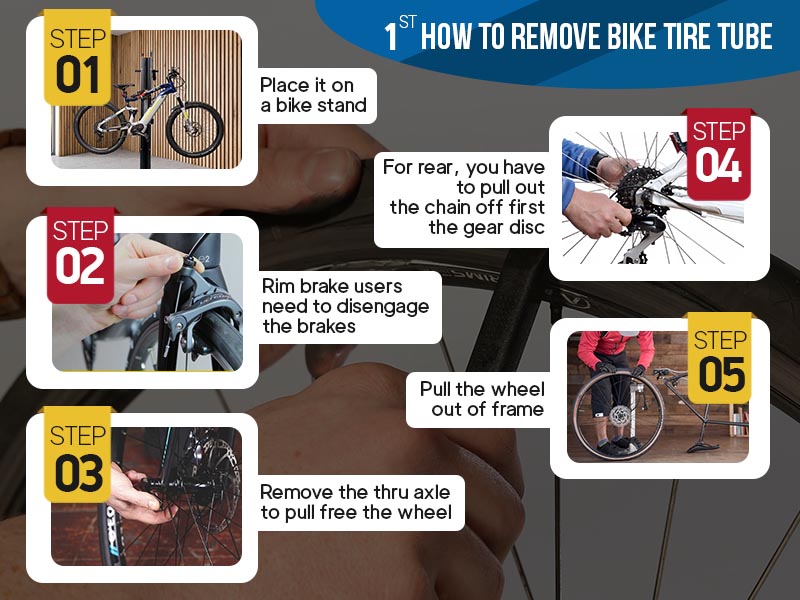
The main purpose of this step is to remove the bicycle tire from the bicycle frame for tube replacement. Follow these steps to remove the wheel:
- Place It on the Bike Stand
- Adjust the gears to the smallest cog on the rear cassette.
- Open the brake calipers to create more clearance for the tire.
- Release the quick-release lever or loosen the nuts holding the wheel in place.
- Carefully remove the wheel from the frame or fork.
2ND How to Change Bike Tube
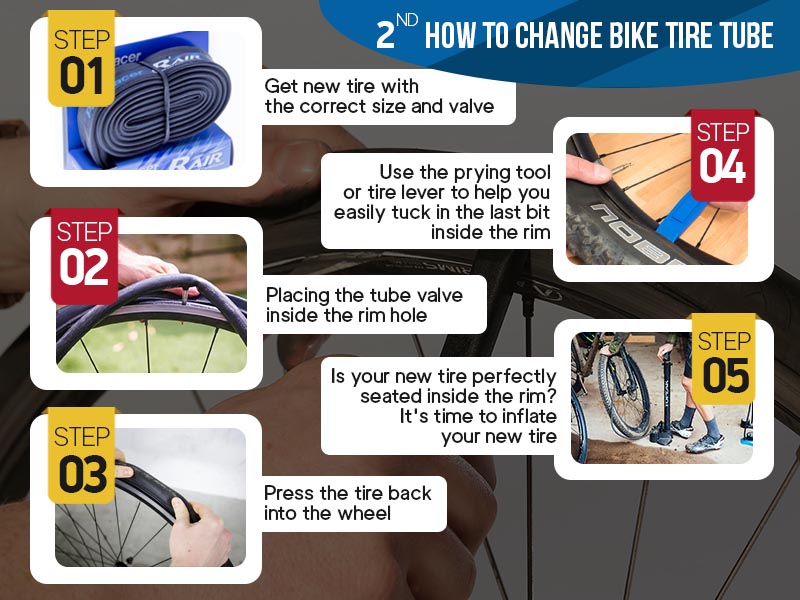
After successfully removing the tire from the bicycle frame, now is the time to replace the bicycle's inner tube. Here are the steps to change a bicycle's inner tube:
1. Remove the old inner tire
Now that you have the wheel separated from the bike, it's time to release any air remaining in the tube through the valve, as you prepare to remove the old inner tube.
Follow these steps to safely remove the old inner tube:
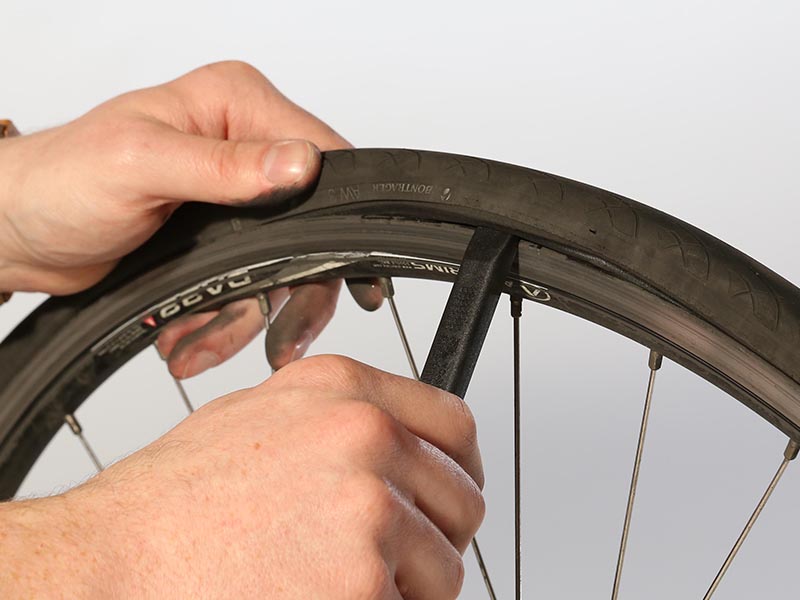
- Put the lever between the tire and the rim. Hook the lever under the tire bead closest to you, taking care not to pinch the tube with the lever.
- Press down on the lever handle. This may require significant force, as your tire may be quite tight. Utilize leverage between the lever and the rim to ease the process.
- Hook the lever around a spoke to hold it in place, then insert a second lever using the same method as before.
- Separate the two levers, working them around the rim until you have completely removed the tire from one side of the rim.
- Carefully pull the tube from beneath the tire.
2. Get the new tire tube
Preparing a new bicycle inner tube is an important step. Choose the right size of inner tube and valve.

3. Install the New Inner Tube
Now it's time to install the new inner tube. Follow these steps carefully to avoid damaging the tube:
- Inspect both the tire and rim thoroughly for any debris or signs of damage that could potentially lead to a flat tire. Remove any foreign objects present and verify that the rim tape is in optimal condition.
- Before proceeding with the installation of the new tube, gently inflate it to provide it with the appropriate shape. This preliminary inflation will facilitate the insertion process into the tire.
- Carefully position the valve into the designated valve hole on the rim, ensuring a secure fit. Then, carefully insert the remaining portion of the tube inside the tire.
- Starting at the valve, work the tire onto the rim using your hands. Exercise caution to avoid trapping the tube between the tire and the rim. If you're struggling to fit the tire onto the rim, use tire levers sparingly to avoid damaging the tube.
- Once the tire is fully seated on the rim, inspect both sides to ensure the tube is not pinched or twisted.
4. Inflate the Tire
With the new bicycle tube installed, it's time to inflate the tire to the recommended pressure. Use a pump with a pressure gauge to achieve the correct PSI (pounds per square inch) for your bike tires. Refer to the sidewall of the tire or your bike's manual for the recommended pressure range. After inflating the tire, carefully inspect it for any signs of leaks. You can do this by listening for hissing sounds or feeling for air escaping from the valve or punctures. If you suspect a leak, you can submerge the inflated tire in water to locate the source of the leak.
Reattach the Tire to the Bike
Once you've confirmed that the tire is properly inflated and leak-free, it's time to reattach it to your bike. Follow these steps:
- Align the tire with the rim, making sure the valve is aligned with the valve hole on the rim.
- Use your hands to press the tire onto the rim, starting at the valve and working your way around the tire.
- If the tire is difficult to seat on the rim, you can use tire levers to help. Insert the tire lever between the tire and rim, then pry the tire onto the rim. Don't let the tube get pinched.
- Upon complete seating of the tire on the rim, inflate it to the recommended pressure.
- Lastly, if your bicycle features rim brakes, reattach them. Close the brake calipers and conduct a thorough evaluation of the brakes to ascertain their optimal functionality.
Conclusion
Now that you know how to change bike tires, you might be wondering where to find quality tires and accessories for your bike. Rodalink Malaysia offers a wide range of bike tires, bicycle tubes, pumps, and other cycling essentials. Visit their website or store to browse their selection and find the perfect products for your biking needs.
Changing bike tires may seem daunting at first, but with patience and practice you'll become more confident and efficient at this essential bike maintenance task. Remember to always carry a spare tube and pump with you when riding, so you're prepared in case of a flat tire on the road.