We use cookies to make your experience better. To comply with the new e-Privacy directive, we need to ask for your consent to set the cookies. Learn more.






















Bike Cranksets: Road vs. MTB vs. Gravel vs. Hybrid
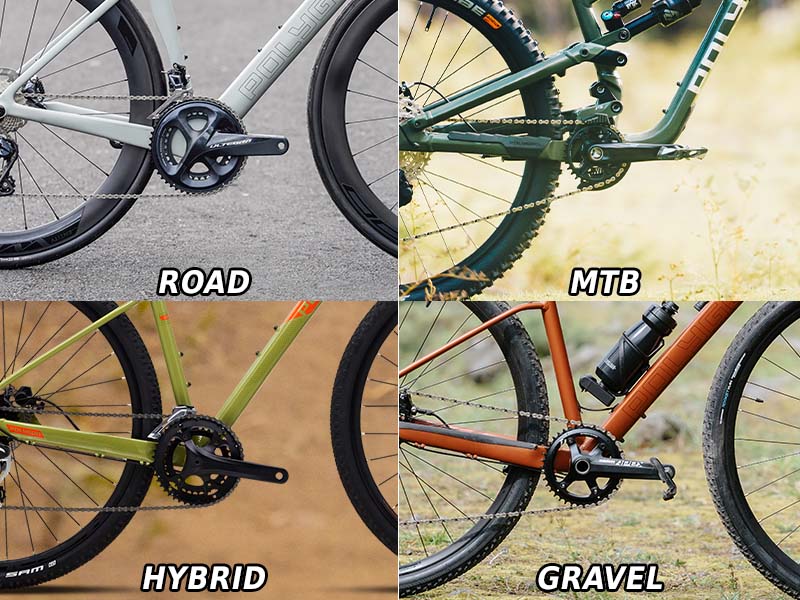
Are you new to the world of cycling and trying to make sense of all the jargon and gear options? One essential component that often leaves beginners scratching their heads is the crankset. Specifically, there are different types of cranksets designed for various types of bicycles - road, MTB (Mountain), gravel, and hybrid bikes. In this blog post, we'll take a closer look at each crankset type, its characteristics, and purposes to help you better understand and make an informed choice.
What Is Crankset?
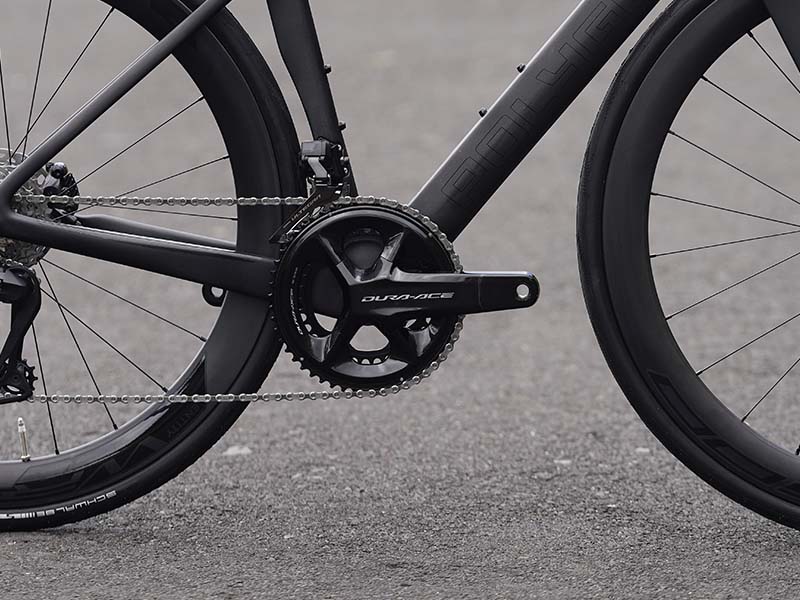
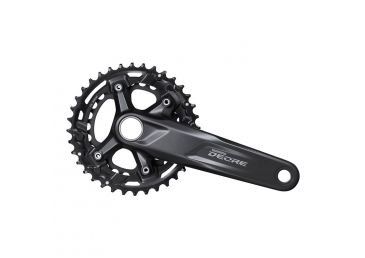
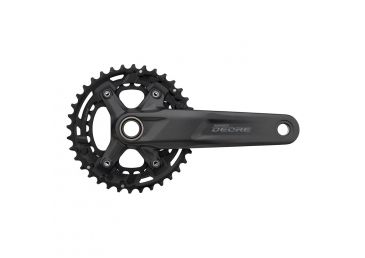
A crankset is a critical part of your bicycle. It's the part you pedal to make your bike go forward. It consists of two crank arms where your pedals attach and one to three chainrings, which the chain goes around. In more modern designs, there's a middle part called the axle or spindle that connects the two crank arms. In older designs, the axle is part of the bottom bracket, which is the part that connects the cranks to your bike's frame.
To make your bike move, your crankset works together with the gears in the back, usually controlled by a rear derailleur and a cassette with multiple sprockets. This combination of front (your crankset) and rear gears gives you different options for how hard or easy it is to pedal, which is super useful when you're riding on different types of terrain.
It may seem simple, but cranksets can get complicated because there are so many choices, standards, and compatibility factors to consider. So, let's dive deeper into the world of cranksets.
Road Bike Crankset
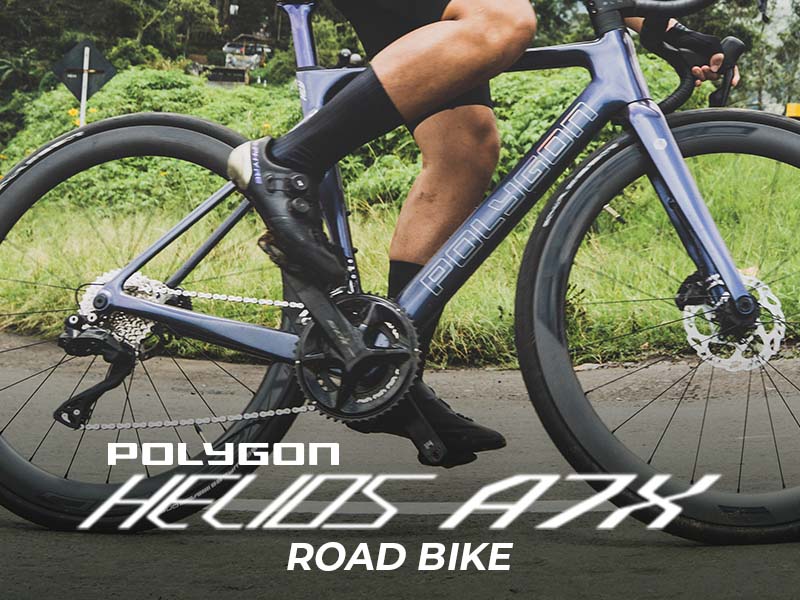
Road bikes have different gear setups to suit various riding needs. Let's break it down:
- 'Standard' Double Crankset: It has two chainrings, one with 53 teeth and the other with 39 teeth. This setup is mostly used by professional racers. However, with the introduction of 12-speed gears, it's no longer considered standard on top-tier bikes from brands like Shimano. These brands have started offering different options to cater to riders' needs.
- 'Semi-Compact' Double Crankset: This one is found on sporty road bikes and typically has chainrings with 52 and 36 teeth. It's called 'semi-compact' because it provides a slightly lower top gear than the 'Standard' setup (53/39) but gives you more options for easier gears, which can be handy when climbing hills.
- 'Compact' Double Crankset: You'll find this on endurance road bikes, versatile all-rounders, and entry-level bikes. It consists of chainrings with 50 and 34 teeth. The 'Compact' crankset offers lots of low-end gearing, especially when paired with modern cassettes that have a large sprocket with 30 teeth or more. However, your highest (hardest) gear won't be as high as the other setups.
MTB (Mountain Bike) Crankset
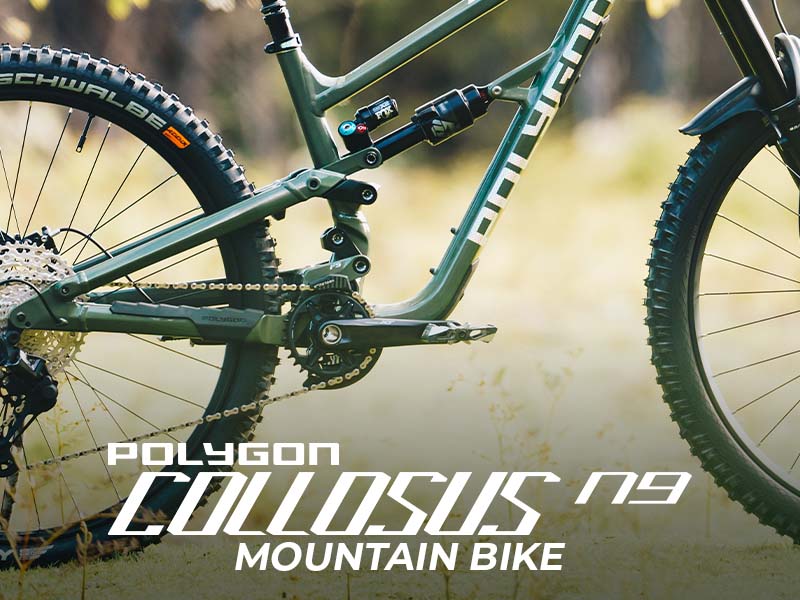
Just like road and gravel bikes, mountain bikes also come with various choices for their cranksets. Most modern mountain bikes now use a single-ring crankset, except for the very basic models. This setup relies on a cassette with a wide range of gears to simplify the front part of the bike's drivetrain. Considering the various axle-width standards used in different mountain bikes, the chain line is crucial. Because the cassette sits at a different distance from the bike's centerline with different standards, the chainring must also be positioned differently to ensure smooth shifting across all gears. Certain brands offer various chain line choices for their cranksets to accommodate these various axle widths. It's important to select the appropriate one for your specific bike.
Gravel Bike Crankset
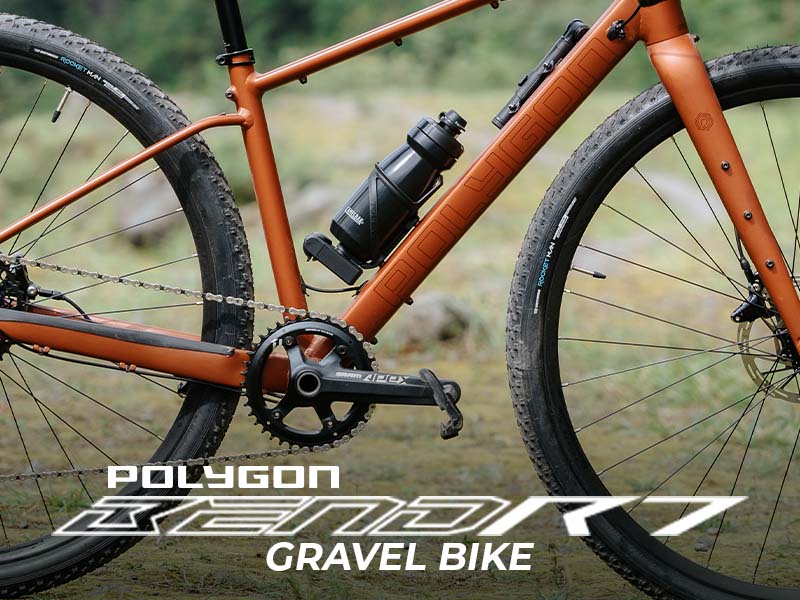
Gravel bikes come with various gear options depending on what you plan to do with your bike. These options involve different setups for the crankset, which is the part that connects your pedals to the bike's chain.
In the past, many early gravel bikes used what's called a compact road crankset with 50/34t chainrings. Some gravel and all-road bikes still use this setup today. However, this type of crankset may not give you low enough gears for riding on rough off-road trails. Nowadays, it's more common to find what's known as super-compact cranksets (also called sub-compact cranksets) on gravel bikes with two chainrings.
These super-compact cranksets often have chainrings with sizes like 46/32t or 46/30t, although Shimano GRX offers a 48/31t option. These smaller chainrings give you lower gear ratios when combined with the right cassette, which is useful for handling challenging off-road terrain or when you need to carry heavy loads on your bike for activities like bikepacking.
Another popular choice for gravel bikes is the 1x crankset, which means there's only one chainring in the front, eliminating the need for a front derailleur. This setup simplifies the bike's mechanics. The larger gaps between gears in a 1x system are less of an issue for gravel riding. You can typically find single chainrings with sizes like 36t, 38t, 40t, or 42t for this setup.
Hybrid Bike Crankset
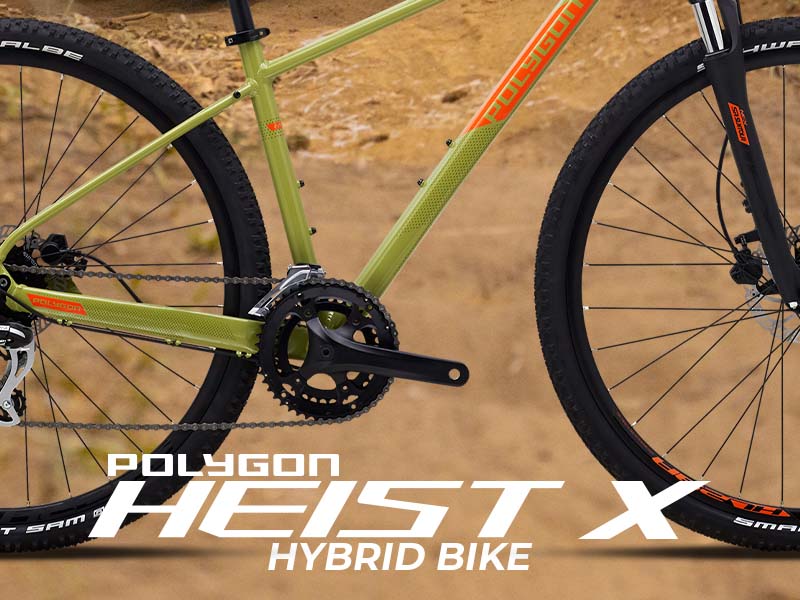
Flat-bar hybrid bikes offer various choices for their cranksets, including options with either one chainring (1x) or two chainrings (2x), which are quite common. When it comes to singlespeed bikes, they have only one chainring, as the name suggests. The important thing to consider here is finding the right combination of chainring size and rear sprocket to give you the appropriate gear ratio for your specific riding style and the type of terrain you'll be tackling.
Complete Information on Crankset Types
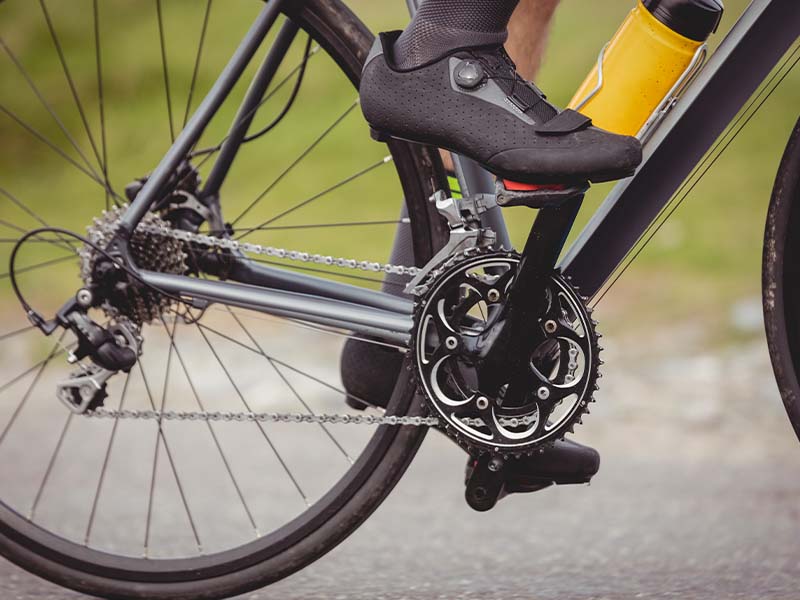
- Materials: Cranksets can be made from various materials like aluminum, carbon, or even steel. Lighter materials offer improved performance, while heavier ones prioritize durability.
- Number of Chainrings: Each crankset type can have one, two, or even three chainrings. More chainrings offer a wider range of gear ratios, which can be crucial for tackling different terrains.
- Crank Arm Length: The length of the crank arms can affect your pedaling efficiency and comfort. Different types of riders may prefer different lengths, so it's worth considering.
- Bottom Bracket Compatibility: Ensure your chosen crankset is compatible with your bike's bottom bracket, as different types exist for various bike frames.
Conclusion
In conclusion, choosing the right crankset for your bike is crucial for an enjoyable cycling experience. Whether you're into the speed of road biking, the rugged trails of mountain biking, the versatility of gravel biking, or the adaptability of hybrid biking, understanding the purpose and characteristics of each crankset type will guide you towards the perfect choice.
And when it comes to finding the perfect crankset for your bike, consider checking out Rodalink Malaysia. We have a wide selection of cycling gear, including cranksets for all kinds of bikes. With our expertise and high-quality products, you're bound to find the perfect match for your cycling adventures. So, gear up, hit the road, and enjoy the ride with the perfect crankset that suits your biking style. Happy cycling!