We use cookies to make your experience better. To comply with the new e-Privacy directive, we need to ask for your consent to set the cookies. Learn more.





















Bicycle Cranksets: Your Easy Guide to Pedal Power
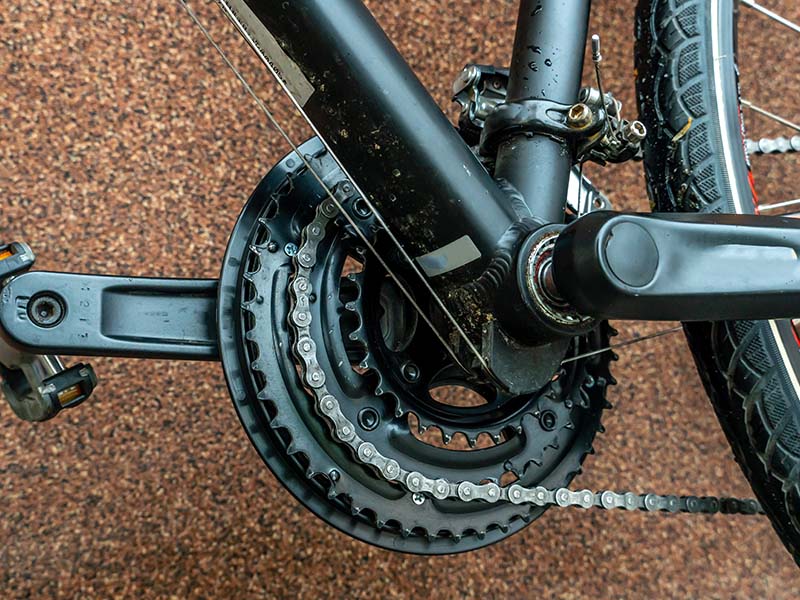
Hey there, bike enthusiast! Let's chat about something super important for your ride – the bicycle crankset. It's like the engine of your bike, making you zoom forward when you pedal. We'll break it down for you in plain and simple terms.
What's a Bicycle Crankset, Anyway?
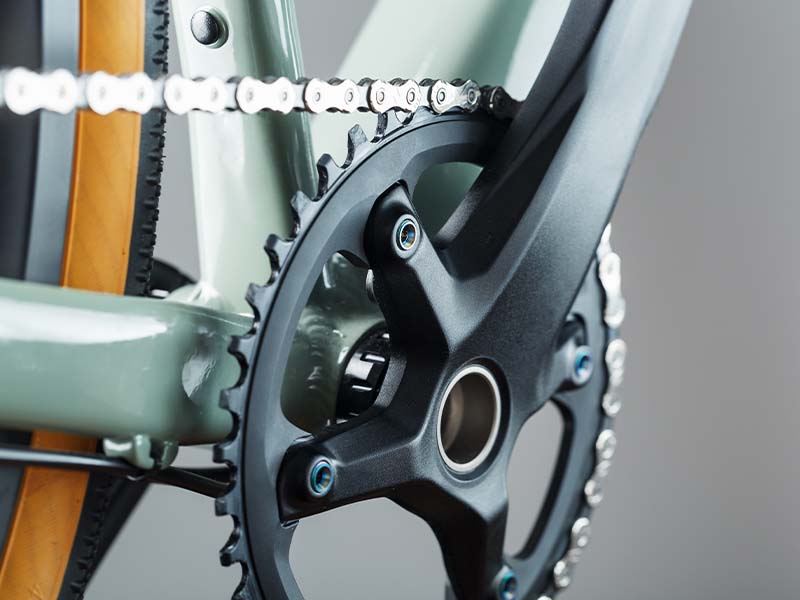
Think of the crankset as your bike's power station. It's the part where your pedals attach, and it's responsible for turning your leg muscle into forward movement. In the middle, there's an axle or spindle connecting everything. In older designs, the axle is part of the bottom bracket that hooks up the cranks to your bike frame.
When you pair the crankset with the gears at the back of your bike, you get different speeds to tackle various terrains. But don't be fooled; cranksets can get pretty complicated because there are so many options and standards to consider.
Sizes: Singles, Doubles, and Triples
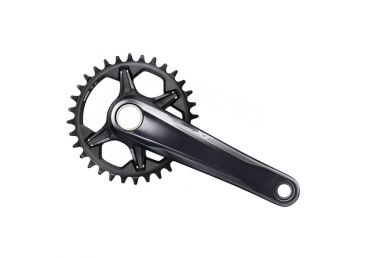
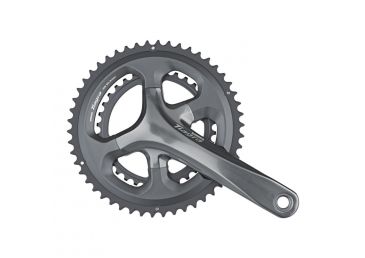
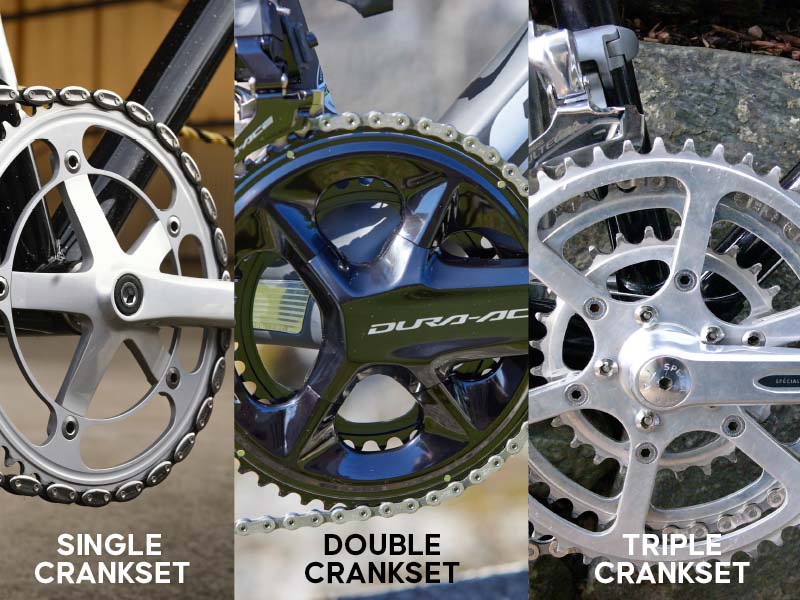
When it comes to the part of your bike that helps you change gears, called the crankset, you've got three options: one, two, or three chainrings. Your decision on which one to choose depends on how many gears you want for your bike. Let's break it down into simple terms:
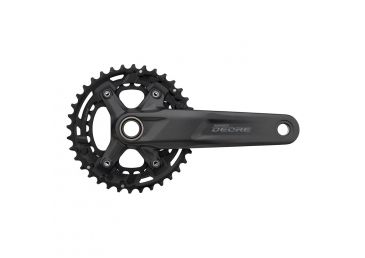
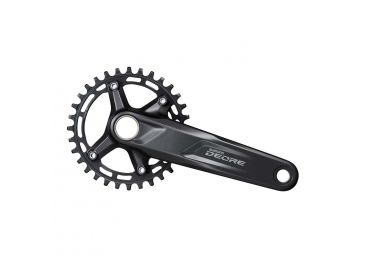
- Single or 1x: Imagine this one as the "mountain bike choice." It has just one chainring. But don't let that fool you; it can handle a lot of different speeds. It works alongside something called a "cassette" at the back to cover a wide range of speeds. This is great for riding off-road because it's less likely to drop the chain and get messy with mud.
- Double: This one is often seen on road bikes. Think of it as the choice for riders who want lots of gears with small differences between them. This helps you maintain a steady pedaling speed. Double cranksets come in different sizes, depending on the type of road you'll be riding on and how strong you are as a rider.
- Triple: Now, picture an older-style crankset you might find on touring, vintage, or less expensive bikes. It has three chainrings so that it can handle a really wide range of speeds. But because of that extra ring, it's a bit heavier. You might find the smallest chainring helpful if you're new to cycling and need some extra assistance on steep uphill climbs.
So, whether you want a simple setup, a wide range of gear options, or some extra help when tackling hills, there's a crankset designed just for you and your biking needs.
Crank Length Matters
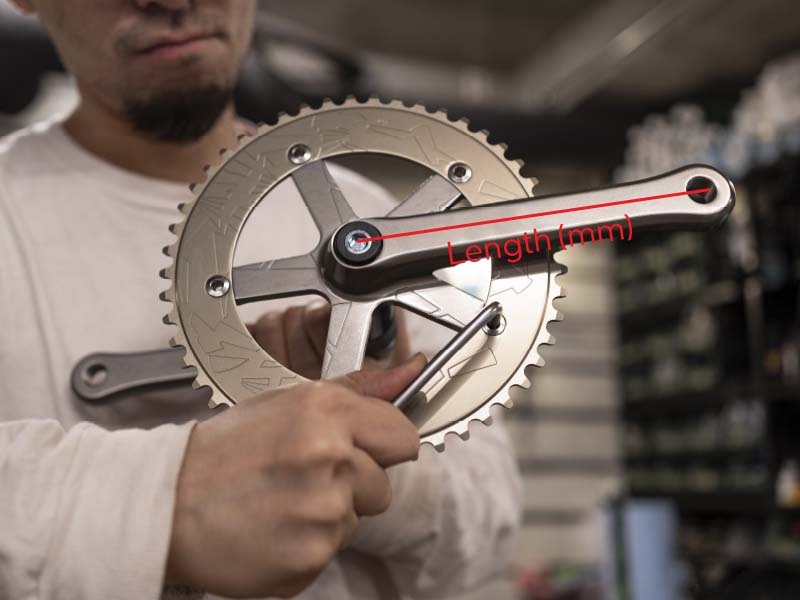
So, when it comes to your bike's crank arms or cranksets, you have different sizes. Some of the cranksets are too short at around 165mm, some are just right at 172.5mm, and some are a tad longer at 175mm. There are even super long ones, but those are pretty rare.
On regular road bikes, you'll often find those 172.5mm crank arms, and mountain bikes usually go for either 170mm or 175mm ones. If you go for longer ones, you'll have more oomph when you pedal, which is great for bigger bikes. But be careful about slapping longer crank arms on a bike that wasn't born with them. It could mean your pedals get cozy with the ground, especially when you're hauling around corners or going off-road.
On the flip side, shorter crank arms can help you pedal faster. They're often preferred by triathletes. In reality, the difference between long and short crank arms is just a few millimeters, so most riders won't notice much change in their regular riding when they switch from one size to another.
Now, how do you figure out which cranksets are right for you? When considering upgrading or changing your bike's crank arms, one important thing to consider is how long these parts are. Most crank arms for road and mountain bikes fall from 6.7 to 6.9 inches (170-175mm). However, if your legs are shorter or longer than average, you might find it more comfortable to use crank arms that better match your leg length.
Crank arms come in lengths from about 6.3 to 7.1 inches (160mm to 180mm), which can accommodate different leg lengths. It's a good idea to look into what crank arm length is recommended for your specific leg length. It's also worth noting that some mountain bikers choose shorter crank arms, especially in disciplines like downhill racing, to have more space between the ground and their pedals.
Crankset Compatibility
Not all pieces fit into the puzzle, nor do all bike parts mesh perfectly. The same goes for cranksets. Here's the rundown:
- Bottom Bracket: Connects your crankset to your bike frame, and there are various types. Make sure they match.
- Front Derailleur: If you've got multiple speeds, your front derailleur must match your crankset. Pay attention to chainring numbers and sizes for smooth shifting.
- Chain: Your chain's width should match the spacing between your chainrings.
- Frame Compatibility: Some bike frames have specific requirements, so always check your bike's specs.
Conclusion
You've graduated from Bicycle Crankset 101! Armed with this knowledge about cranksets, sizes, and compatibility, you're ready to fine-tune your bike for your riding style.
Looking for top-notch bicycle cranksets and accessories in Malaysia? Check out Rodalink Malaysia. They've got a fantastic range of high-quality bike gear, including Shimano cranksets starting from RM138! Plus, there are ongoing promos with up to 40% off on bike parts and accessories, not to mention free delivery.
Whether a newbie or a seasoned rider, Rodalink has everything you need. So, gear up, hit the trails, and enjoy cycling like a pro!