We use cookies to make your experience better. To comply with the new e-Privacy directive, we need to ask for your consent to set the cookies. Learn more.














Demystifying Folding Bike Tire Pressure: A Beginner's Guide
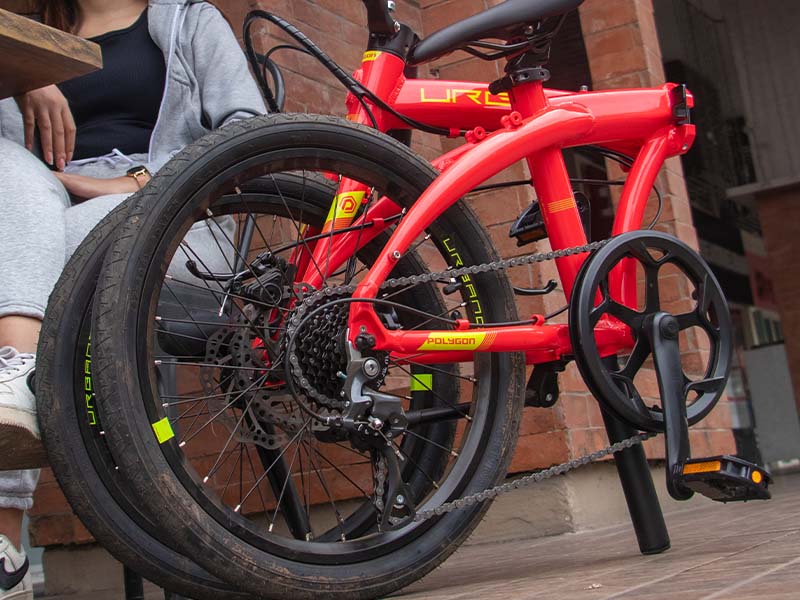
Have you ever wondered about the right tire pressure for your folding bike? Whether you're a seasoned cyclist or just dipping your toes into the world of folding bikes, understanding the right tire pressure is essential for a smooth and safe ride. It's essential to understand that different types of bikes come with various tire sizes, and each of them has a recommended maximum tire pressure, usually indicated on the tire's sidewall.
In this beginner-friendly guide, we'll unravel the mysteries of folding bike tire pressure, answering questions like "What PSI should a folding bike be?" and ensuring you have all the information you need to hit the road confidently.
Correct Tire Pressure for Your Bike
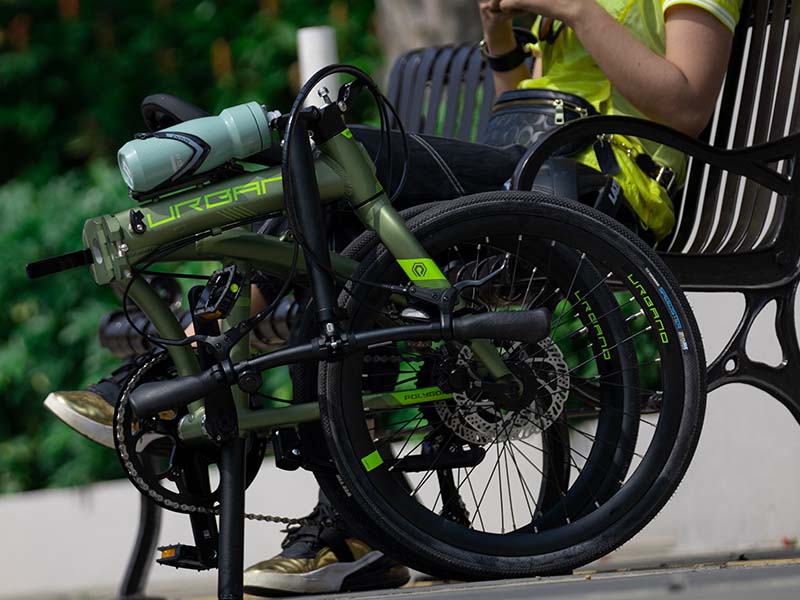
Many casual cyclists tend to overlook the importance of tire pressure. Some overinflate their tires, while others leave them underinflated, both of which can lead to problems. Bike tires require proper inflation even when you're not riding to ensure your bike functions optimally. Different tires have different pressure recommendations, often provided in a bike tire pressure chart by the manufacturer.
Tire pressure depends on the type of surface you'll be riding on. Higher pressure results in less rolling resistance, making it easier for your bike to maintain speed. Therefore, for folding bikes, a recommended tire pressure of around 50 to 60 psi is suitable, regardless of the tire's diameter. Conversely, lower tire pressure offers a more comfortable ride and better grip on rough terrain. For mountain bikes used off-road, a tire pressure of 25 to 30 psi is recommended, while for daily commutes, 40 to 50 psi is suitable.
Getting the right tire pressure is like finding the perfect balance in life – not too high, not too low. The correct tire pressure for your folding bike depends on several factors, including your weight, the terrain you'll be riding on, and the type of tires you have.
What PSI Should a Folding Bike Be?
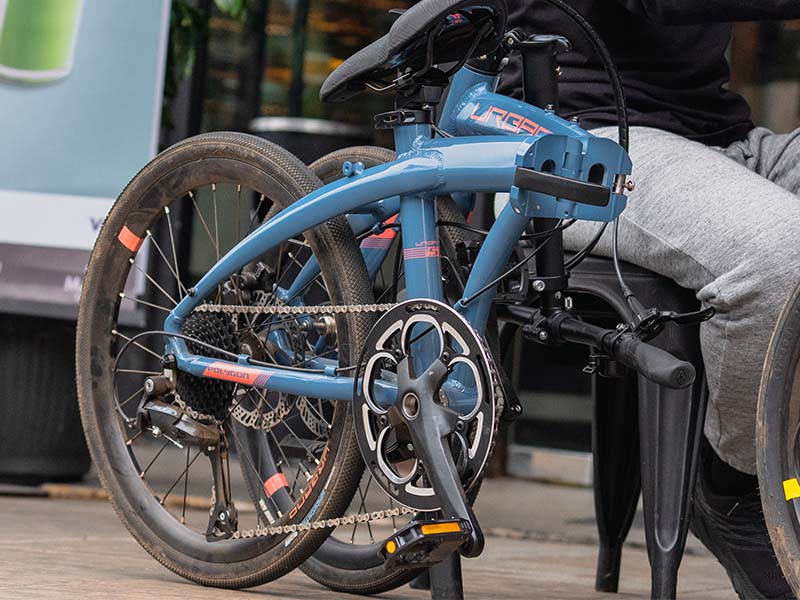
Folding bikes are popular in places with limited space where portability matters. These bikes are primarily used for transportation and leisure rides on smooth urban paths. Folding bikes come in three sizes: 16 inches, 20 inches, and 24 inches. While most people opt for the 20-inch size, each size offers a slightly different riding experience.
Regardless of the tire diameter, the recommended tire pressure for both city and folding bikes remains the same. For most folding bikes, a general rule of thumb is to aim for a tire pressure between 65 and 85 PSI (pounds per square inch). However, it's essential to check your bike's user manual or the sidewall of your tires for manufacturer recommendations, as specific models may vary.
Optimal Tire Pressure
If you prefer slightly higher tire pressure for your folding bike, that's fine, as long as you stay within the maximum inflation pressure indicated on the tire sidewall. You can refer to a bicycle tire pressure chart or use a bicycle tire pressure calculator to determine the right amount of air to pump into your bike's tires.
Ideal Tire Pressure
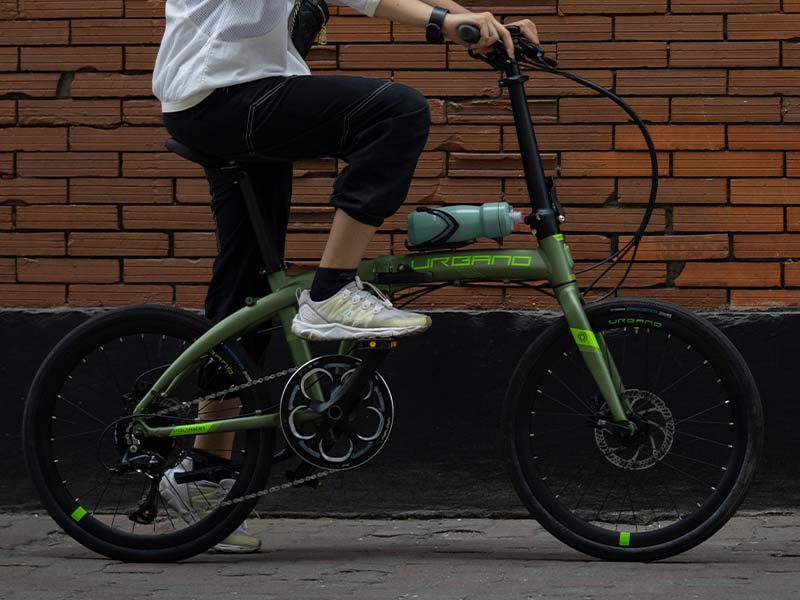
The ideal tire pressure isn't a one-size-fits-all solution. The ideal tire pressure serves several purposes:
- Rider Weight: Heavier riders might need higher tire pressure to prevent pinch flats, while lighter riders can opt for a slightly lower PSI.
- Terrain: Smoother roads require less pressure, while rougher terrain demands more. Adjust your tire pressure accordingly.
- Tire Type: Different tire models have different optimal pressure ranges. Refer to the sidewall markings or the manufacturer's guidelines for your specific tires.
Maintaining the right tire pressure ensures that the tire can support your weight without excessive deformation. Avoid both underinflating and overinflating your tires, as they can lead to problems:
- Pressure is Higher than Optimal : Inflating the rear tire more than 5% above the optimal pressure or the front tire 1% higher than the rear can result in discomfort, decreased speed on flats and climbs, and reduced control. If your tire pressure is too high, you'll experience a harsh, bumpy ride. Your bike might also be more prone to skidding, especially on wet surfaces. To fix this, simply release some air until you reach the recommended PSI.
- Pressure is Lower than Optimal: Going below the recommended pressure increases the risk of pinch flats and may lead to a loss of speed, especially on rough roads, without significantly improving grip. Conversely, if your tire pressure is too low, your ride will feel sluggish, and you risk damaging your rims or getting pinch flats. Inflate the tires gradually, checking the pressure with a gauge, until you reach the correct range.
Keep in mind that the rear tire typically requires higher pressure than the front due to the distribution of your weight. Using a folding bike tire pressure calculator and a gauge for accuracy can help you achieve the right tire pressure.
Conclusion
Folding bike tire pressure might seem like a small detail, but it can make a world of difference in your cycling experience. Remember, it's not just about PSI; it's about finding the right balance for your unique needs. In conclusion, understanding folding bike tire pressure is vital for a comfortable and safe ride. By following these guidelines and considering your specific circumstances, you'll be well on your way to enjoying the open road on your trusty folding bike. And when it comes to finding the perfect folding bike and accessories, look no further than Rodalink Malaysia. we offer a wide range of folding bikes and expert advice to help you make the best choice. Happy cycling!