Toggle Nav 



9 Tips to Avoid Injuries When Playing BMX
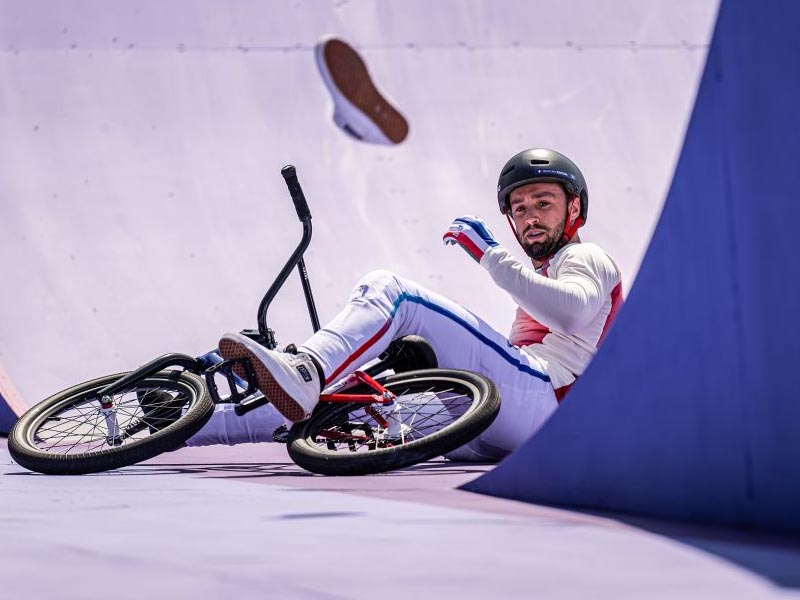
Playing BMX—also known as Bicycle Motocross, is exhilarating and challenging, featuring high-speed moves, tricks, and jumps on specialized tracks. With its adrenaline-packed nature, BMX also brings potential risks, including falls, collisions, and accidents that could lead to severe injuries. But don’t let this scare you away from the thrill of BMX.
In this guide, we’ll uncover ways to prevent injuries, practical safety tips, and how to handle injuries if they do occur!
Common BMX Injuries
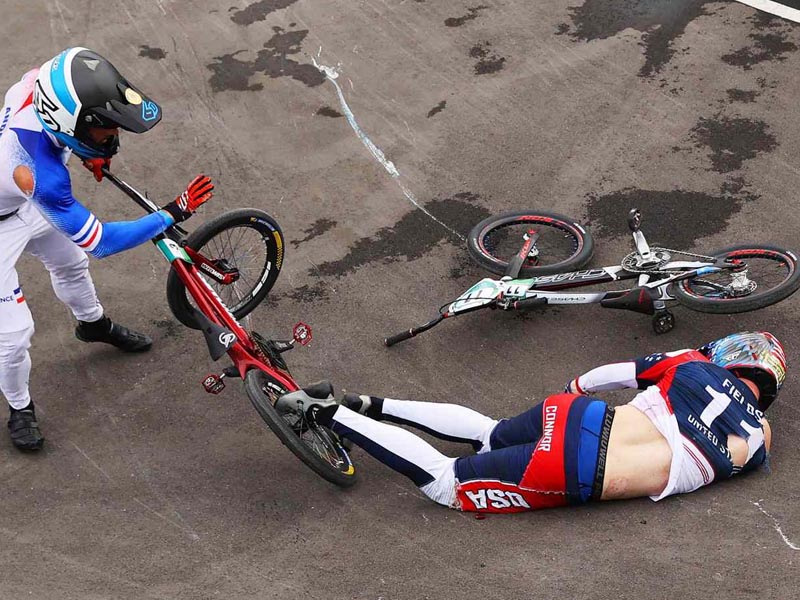
BMX riders frequently deal with various injuries, many resulting from falls, improper technique, or collisions with obstacles. Knowing which injuries are common can help riders prepare and avoid them.
- Sprains and Strains: Often affecting wrists, ankles, and shoulders, sprains and strains occur from awkward landings or overextension while performing tricks.
- Fractures and Broken Bones: Falls and collisions can lead to fractures, especially in the arms, wrists, or collarbones, when riders extend limbs to break a fall.
- Head Injuries: Head injuries are among the most dangerous, emphasizing the importance of wearing helmets.
- Contusions and Abrasions: Cuts, scrapes, and bruises happen frequently, particularly on exposed body parts like arms, legs, and hands.
- Knee and Ankle Injuries: Repetitive jumping and landing can lead to knee and ankle sprains, requiring rest and recovery.
Now that we’re aware of possible injuries in BMX biking, let’s dive into strategies to prevent them, making your ride safer, more enjoyable, and more comfortable. Rodalink has prepared a summary of injury prevention tips just for you—read the full details!
Practical Tips to Prevent Injuries in BMX
Safety starts before you even get on the bike. With the right gear, warm-ups, and techniques, you can significantly reduce your risk of injury. Here’s what you need to know:
1. Wear the Right Protective Gear
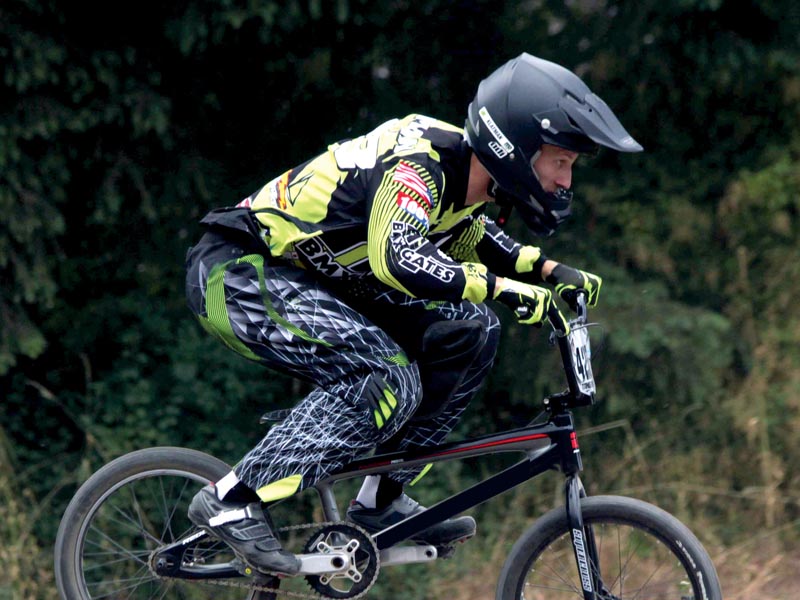
Equipping yourself with appropriate safety gear is essential for BMX safety. Here are some must-have items:
- Helmet: Always use a BMX-specific helmet that fits snugly to protect your head during falls.
- Knee and Elbow Pads: These pads help reduce impact on joints during falls, shielding you from scrapes and fractures.
- Gloves: Gloves protect your hands from abrasions and provide a better grip on the handlebars.
- Proper Shoes: Wear shoes with a sturdy grip to keep your feet on the pedals and avoid getting laces tangled in the bike.
Protective gear is essential for safety, and if you need reliable equipment, check out Rodalink’s collection for quality, affordable BMX accessories.
2. Warm-Up and Stretching
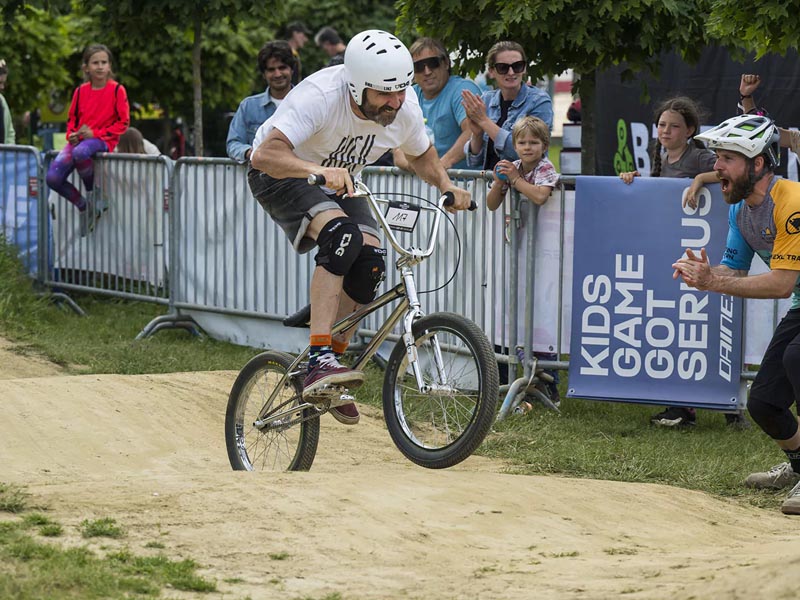
Jumping into a BMX session without warming up is a surefire way to increase your risk of injury. Spend 5-10 minutes warming up and stretching to get your blood flowing and muscles ready. Focus on dynamic stretches that prepare your major muscle groups, such as legs, back, and shoulders, to improve flexibility and mobility.
3. Learn the Right Techniques
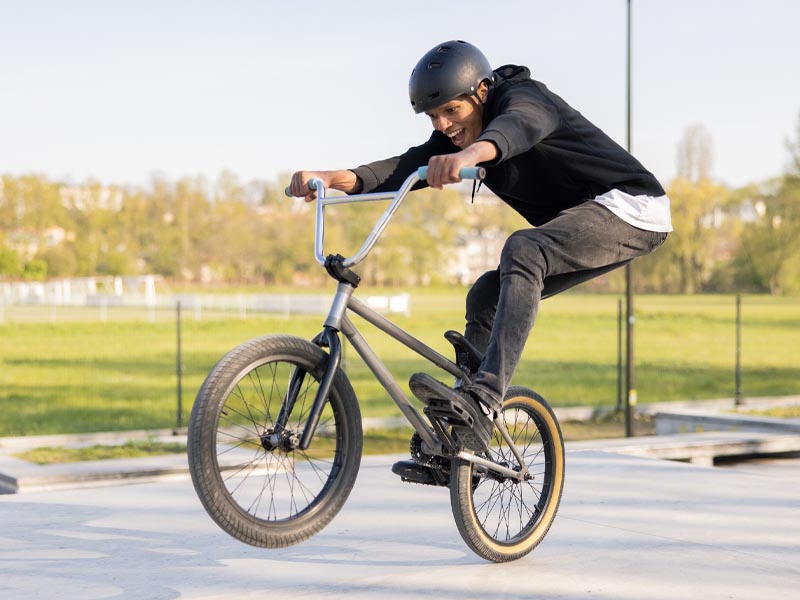
BMX requires precise handling and balance. Here are some technique tips to keep in mind:
- Master the Basics: Start with fundamental techniques like balancing, bunny hops, and manuals before moving to complex tricks.
- Gradual Progression: Begin with simple tricks and increase the difficulty gradually to avoid overwhelming your body.
- Perfect Your Landings: Land with both wheels touching the ground simultaneously and bend your knees to absorb impact, which minimizes strain on your legs and lower back.
4. Maintain Your Bike Regularly
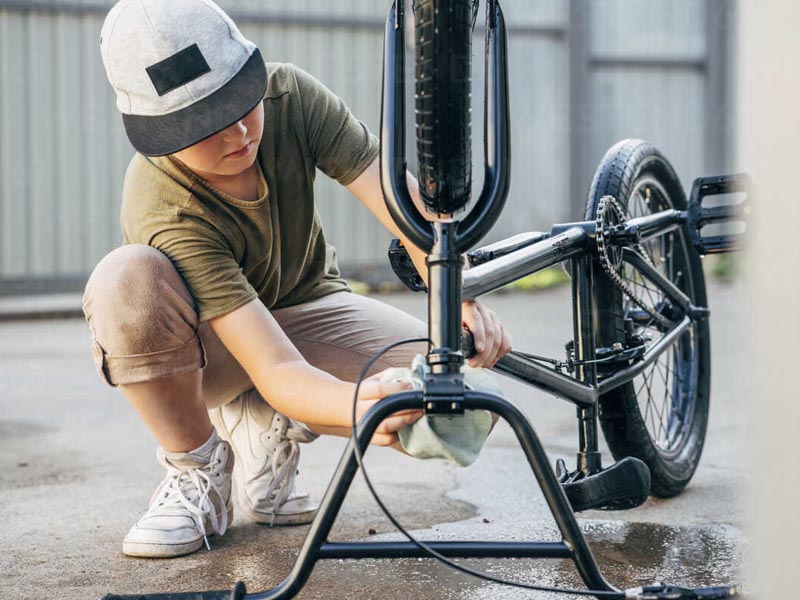
A well-maintained bike is key to a safe BMX experience. Here’s what you should check:
- Brake System: Ensure your brakes are functioning smoothly and reliably to avoid accidental collisions.
- Tires and Wheels: Inspect your tires and wheels regularly for proper inflation and any signs of damage.
- Chain and Pedals: Keep your chain and pedals in good condition to avoid unexpected issues during rides.
Regular bike maintenance can prevent malfunctions that could lead to accidents. If you need a tune-up or quality bike parts, visit Rodalink for expert guidance and accessories.
5. Choose a Safe Practice Environment
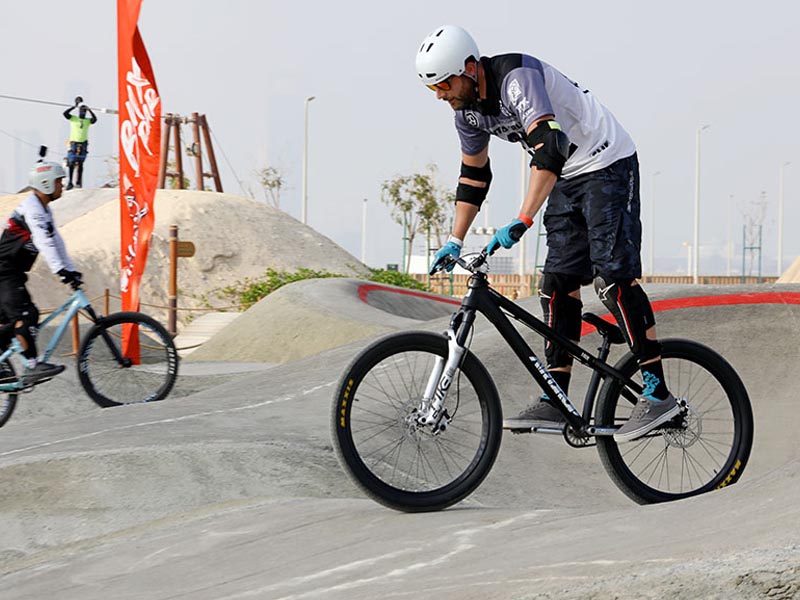
Choosing a safe location for BMX practice makes a significant difference in reducing risks. Here are some location tips:
- Dedicated BMX Tracks: Practice in BMX parks or dirt tracks designed for cycling, as these are tailored to the sport’s demands.
- Avoid High-Traffic Areas: Stay clear of public roads or crowded areas to avoid accidents involving other riders or pedestrians.
6. Practice Under Supervision

Having a friend or coach nearby when practicing BMX tricks can be a valuable safety measure. They can assist you in the event of an injury and provide feedback on your technique. Beginners should consider training under the guidance of experienced riders to learn techniques safely and avoid common pitfalls.
7. Listen to Your Body

Pushing your limits is tempting in BMX, but knowing when to stop is key to avoiding injury. Take breaks if you feel tired or strained, and don’t attempt tricks when feeling unwell. Minor aches and pains should be addressed promptly with rest, icing, or compression to prevent them from worsening.
8. Practice Safe Falling Techniques

Falls are part of BMX, and knowing how to fall safely can prevent injuries. Here’s what to keep in mind:
- Roll with the Fall: Instead of bracing with your hands, tuck and roll to minimize impact.
- Release the Bike: When you sense a fall coming, release the bike to avoid getting caught or twisted in it.
9. Stay Focused and Aware of Your Surroundings
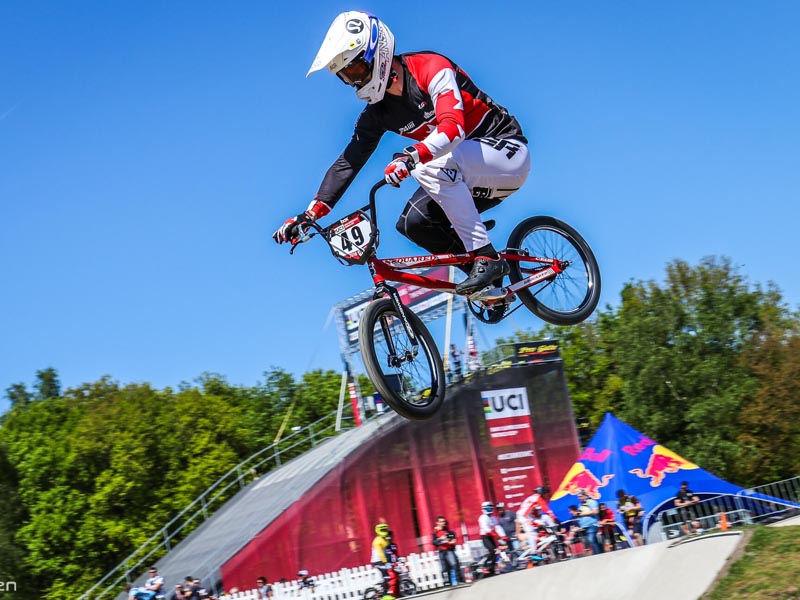
Finally, remaining alert while riding can prevent unnecessary accidents. Keep an eye on your surroundings, and stay aware of any obstacles, other riders, or unexpected elements in your path. A calm and focused mind helps you react quickly and safely in unexpected situations.
Practical First-Aid Tips for BMX Injuries
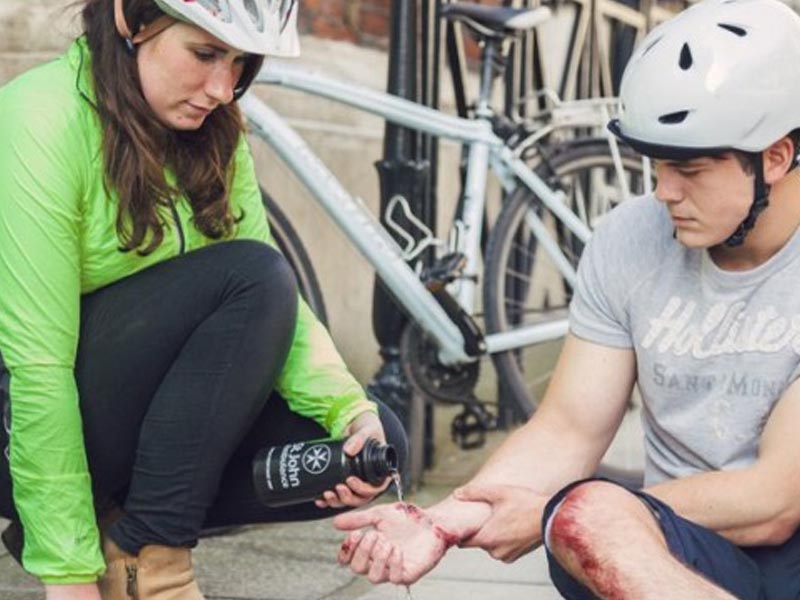
Despite your best efforts, injuries can still happen. Here are some essential first-aid steps for common BMX injuries:
- Sprains and Strains: Apply the RICE (Rest, Ice, Compression, Elevation) method to reduce swelling and provide comfort until medical help arrives.
- Cuts and Scrapes: Clean cuts immediately to prevent infection, apply an antiseptic, and cover with a sterile bandage.
- Bruises and Minor Impact Injuries: Use ice packs to reduce swelling, and keep an eye on symptoms to ensure no further treatment is needed.
- Head Injuries: If there’s a head injury, avoid moving the injured person and seek medical attention immediately, even if they appear fine initially.
By learning these first-aid basics, you’ll be better equipped to handle minor injuries and support others if they’re injured.
Where to Buy BMX Safety Accessories
BMX riding offers excitement and freedom, but safety should always come first. By using the right gear, warming up, and mastering techniques, you’ll enjoy BMX while minimizing injury risk.
For high-quality helmets, knee and elbow pads, and other essential BMX gear, check out Rodalink Malaysia. We offer a wide range of reliable accessories for all skill levels, making Rodalink your go-to for BMX safety and performance!
Find Your Perfect BMX Accessories:
- Polygon Pixel BMX Bike HelmetMYR 119.00-50%Special Price MYR 59.50
- Entity Urban SH15 Bike HelmetMYR 149.00
- Xerama SP-690 Kids PedalMYR 23.00


Please complete your information below to login.
Sign In
Create New Account