Toggle Nav 



Road Bike Handlebars: Your Ultimate Guide
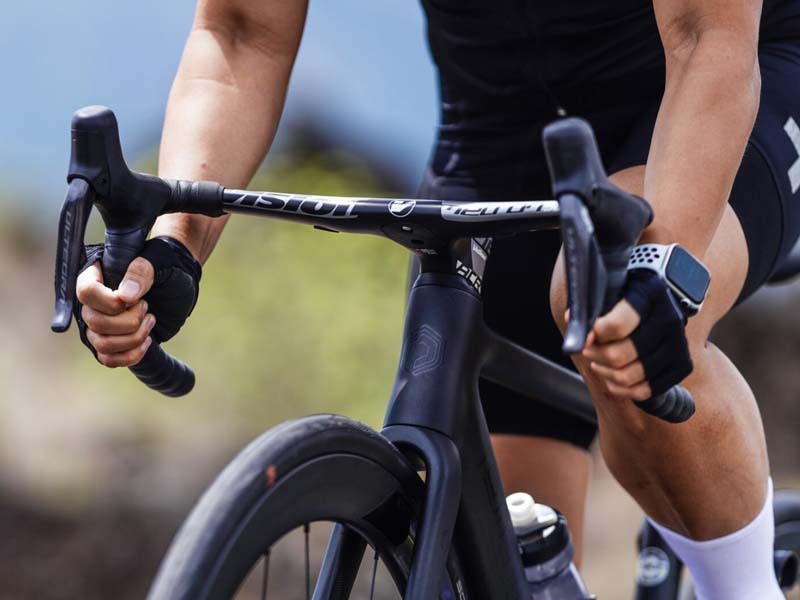
Every component plays a crucial role in your cycling experience. Among these, the road bike handlebar stands out as a key element, affecting your comfort, control, and overall enjoyment on the road. In this guide, we'll take a closer look at road bike handlebars, breaking down their definition, types, widths, shapes, and setups.
Defining the Road Bike Handlebar
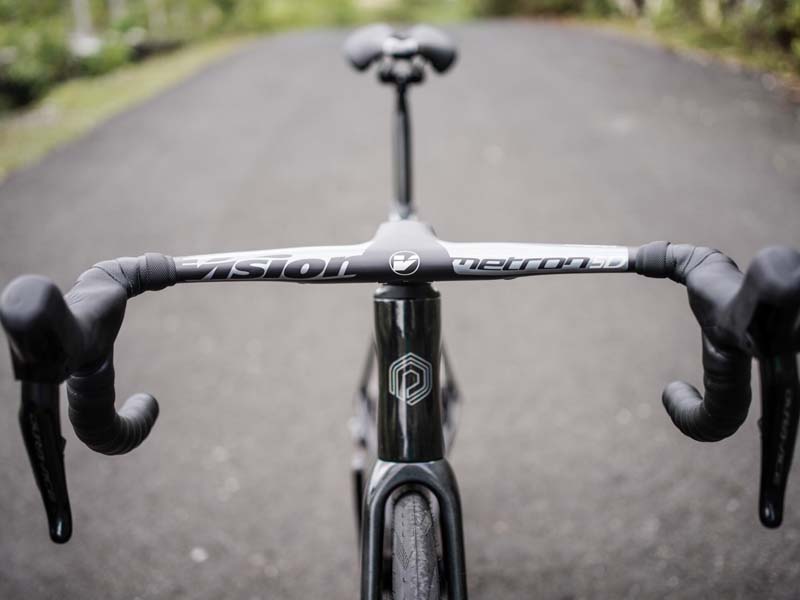
The handlebar is more than just a place to grip; it's your primary connection to the bike. In simple terms, it's the horizontal bar extending from the stem that you hold onto while riding. The handlebar, a pivotal component, grants cyclists control over their bike's direction. Crafting the most comfortable road bike handlebars involves tailoring specific elements to your preferences, ensuring they align with your unique riding style.
While every bike arrives with a standard set of handlebars, these might not suit your needs perfectly. Finding handlebars that match your size, shape, and type preferences typically involves two paths: trial and error or seeking guidance from a seasoned professional. At Rodalink Malaysia, we're here to assist you in comprehending the nuances of road bike handlebars, encompassing width, shape, type, material selection, and optimal setup.
Types of Road Bike Handlebars

A few years ago, there was an option for flat bar road bikes, but unfortunately, the production of these bikes has been discontinued. Nowadays, a new generation of road bikes predominantly features drop bar handlebars.
Drop bar handlebars typically have a straight central section attached to the stem, with each end curving forward and downward before returning to the rider at lower positions. The design of these handlebars serves several important goals:
- Providing Leverage: Give riders the necessary leverage for steering and controlling the bike.
- Ensuring Proper Hand Positioning: Allowing riders to achieve proper hand positioning based on their riding style.
- Promoting Aerodynamic Positioning: Ensuring riders can maintain an aerodynamic position during their rides for improved speed and efficiency.
- Facilitating Position Changes: Allowing riders to change hand and body positions during long rides, reduces the risk of fatigue.
When it comes to the material used to construct road bike handlebars, there are generally three types:
1. Carbon Handlebars
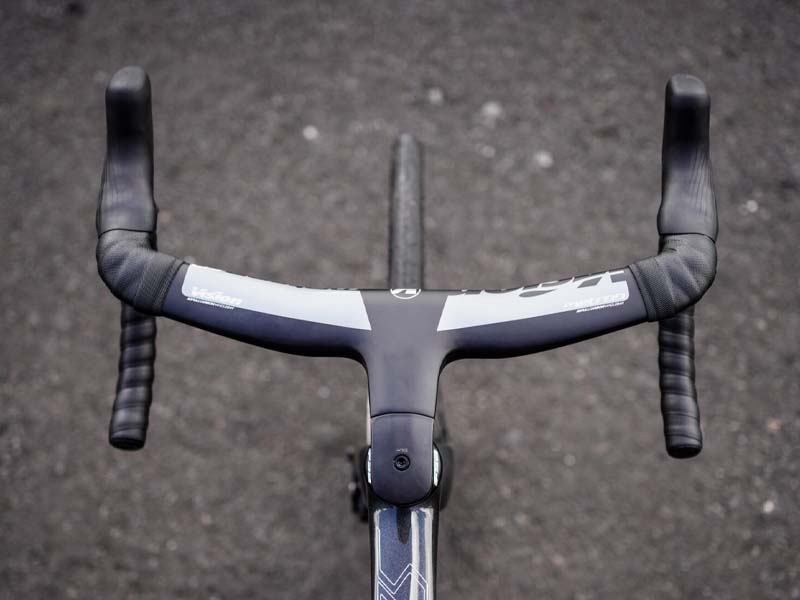
Commonly found in high-end bikes, carbon is the lightest material for constructing bike handlebars. While it often comes with a higher price tag, exceptions like Polygon’s performance road bike offer the benefits of carbon at an affordable price.
2. Alloy Handlebars
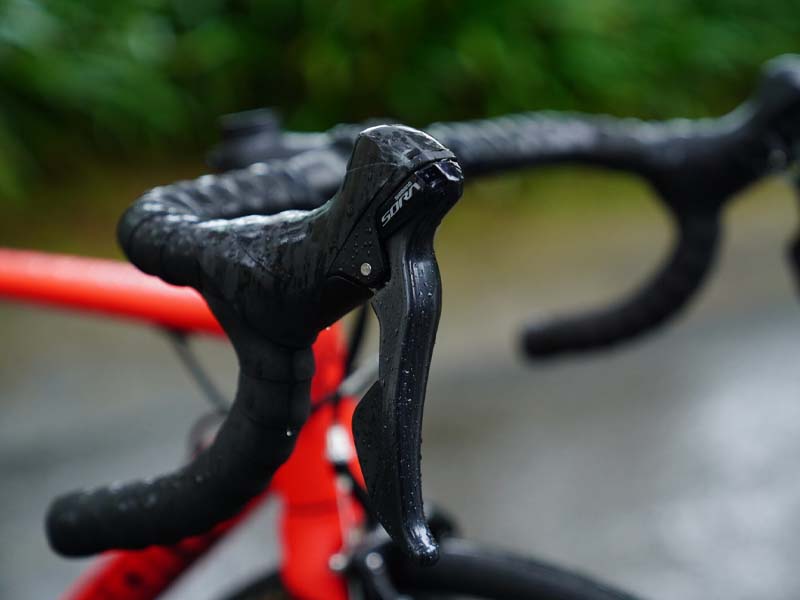
The most commonly used material for road bike handlebars due to its lightweight nature and affordability. Many of Polygon's All-Rounder bikes feature handlebars made of alloy, striking a balance between performance and cost.
3. Steel Handlebars
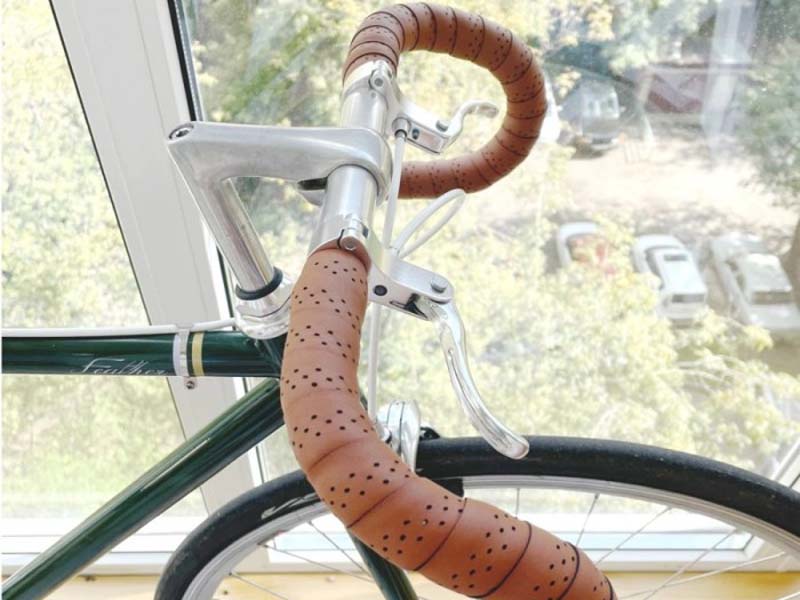
Relatively rare in road bikes due to the weight factor. Steel doesn't provide the lightweight quality that road bikes typically require, making it more commonly found in touring bikes.
Width Matters
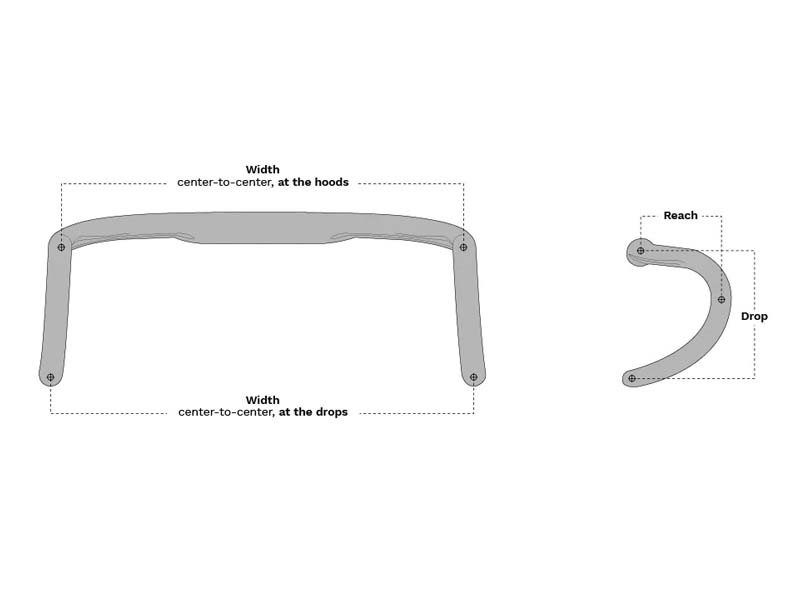
Understanding how to choose the right handlebars is crucial to avoid discomfort and ensure your road bike performs optimally. Incorrect handlebar size can lead to the dreaded "death grip," hindering your riding experience.
Keep in mind that the width of your bike's handlebars impacts aerodynamic drag. Narrower handlebars generally result in faster riding. For a slight boost in speed, consider narrowing your handlebars by a few centimeters.
To measure your road bike handlebar, try the following methods:
- Center to Center: Measure from the inside edge to the opposite inner edge, then add two centimeters to your shoulder measurement. For instance, if your shoulder measurement is 36cm, opt for a 38cm handlebar for an ideal fit.
- Outside to Outside: Measure from one outside edge to the other, and add 4cms to your shoulder measurement. If you currently ride a 42cm or 40cm wide handlebar, switching to a 38cm or 36cm option could enhance your riding speed. However, consulting with an expert is recommended for personalized guidance.
In essence, getting the right handlebar size not only ensures a comfortable grip but also contributes to a smoother and faster cycling experience. Don't hesitate to seek professional advice for a more tailored approach to your road bike setup.
Shape: More than Aesthetics

Road bike drop bars come in different styles:
- Standard Drop Bars: These are the classic road bike handlebars commonly found on road and track bikes. They are designed with three key parameters: reach, drop, and width.
- Track Drop Bars: Specially crafted for track bike racers, these bars have large, sweeping ramps. This design ensures effective hand positions on the top and brake while encouraging riders to use the hooks.
- Drop-in Drop Bars: Featuring an additional extension toward the head tube at the rear end of the drops, these handlebars provide an even more aerodynamic riding position.
In the past, there was a misconception that stretching out during a ride would make you faster on the road. However, this idea is no longer followed. Speed on the road isn't about going as low as possible. Instead, it's about finding a compact and sustainable position that keeps your head aligned with your torso.
Setting Up Your Road Bike Handlebar
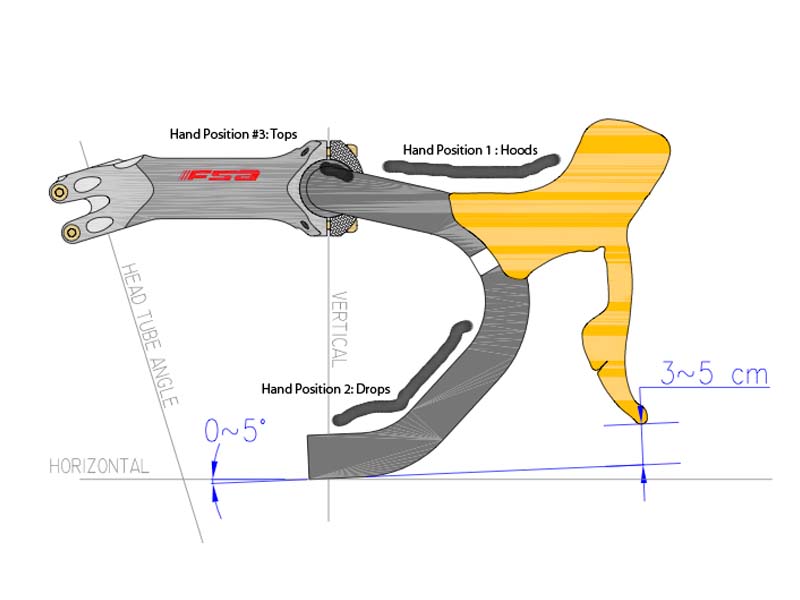
After delving into the details of handlebars, covering their purpose, types, widths, and shapes, let's simplify things and focus on setting up road bike handlebars. Instead of going for a long reach and deep drop bar with a shorter stem, many riders might find a compact bar with a longer stem more preferable.
If you're just starting, it's a good idea to begin with a handlebar slightly wider than your shoulders. As you improve your steering skills, you can gradually adjust to a narrower width. Arrange your shifter or brake levers to create a smooth, flat transition from the tops to the hoods. Don't overlook the importance of quality road bike handlebar tape, as it significantly impacts hand pressure and fatigue.
Keep in mind that the height of your handlebars influences your riding position. Raising them reduces reach while lowering them puts you in a more aggressive riding stance. When choosing handlebars, prioritize flexibility over fancy looks to ensure practicality.
Conclusion
As you navigate the world of road bike handlebars, remember that the perfect fit enhances not only your performance but also your enjoyment of cycling. Now that you're armed with information on types, widths, shapes, and setups, it's time to find the ideal handlebar for your road bike.
For a premium selection of road bike handlebars and expert advice, look no further than Rodalink Malaysia. As a trusted name in cycling gear, Rodalink offers a diverse range of handlebars to suit every rider's needs. Visit our store or explore our online catalog to elevate your road biking experience today! So, gear up, hit the road, and find your perfect handlebar at Rodalink Malaysia!
- Pro PLT Compact Ergo HandlebarMYR 274.00
- Fizik Cyrano 00 Snake HandlebarMYR 1,650.00-50%Special Price MYR 825.00
- Fizik Cyrano 00 Bull HandlebarMYR 1,650.00-50%Special Price MYR 825.00


DISCOVER MORE HANDLEBAR QUALITY

Please complete your information below to login.
Sign In
Create New Account