Toggle Nav 


Mini Velo vs Folding Bike: Which One’s Better for Urban Commuting in Malaysia?
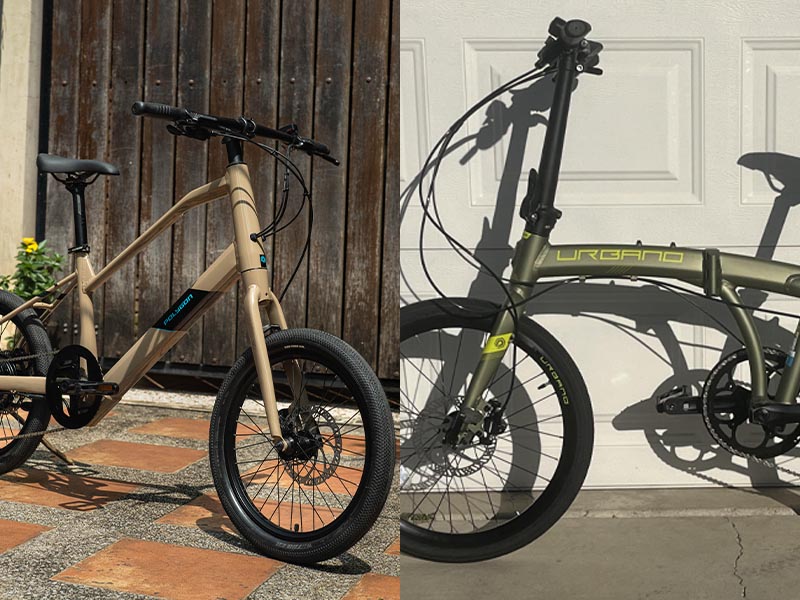
Urban commuting in Malaysia is a whole different game, packed trains, tight sidewalks, unpredictable weather, and the ever-pesky traffic jam.
That’s why more city folks are switching to compact bikes like the mini velo and folding bikes. Both are built for the urban jungle, both fit into tight spaces, but they ride and feel very different.
Whether you’re hopping between LRT stops or cruising through KL’s backstreets, choosing the right ride can make or break your daily commute. So, which one’s right for you? Let’s break it down—real-life commuter style.
Mini Velo vs Folding Bike: Which One Makes Daily Commutes Easier?
Size & Portability
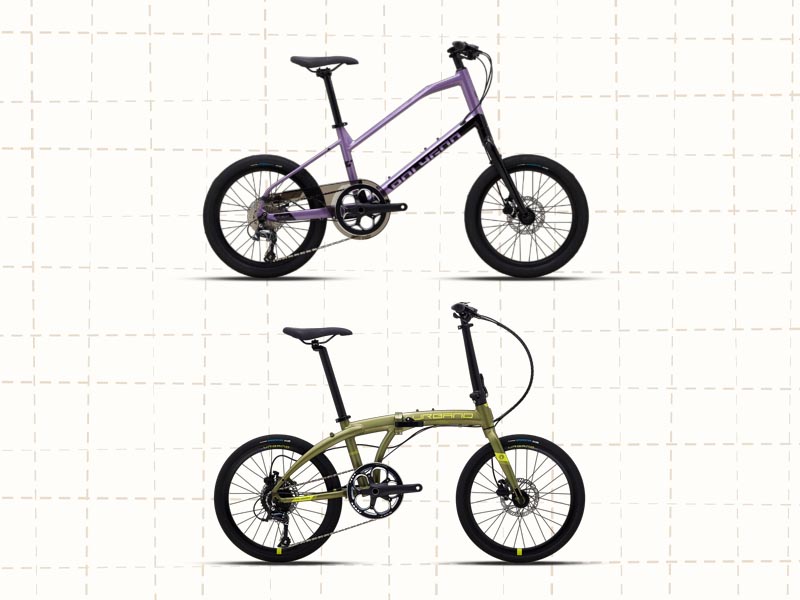
Folding bikes are the champs when it comes to compactness. Most models fold down small enough to carry into the MRT or stash under your desk. They’re lightweight and purpose-built for portability, especially during peak hours or last-mile connections.
Mini velos, on the other hand, don’t fold, but they’re still compact. With their 20-inch wheels and short frames, they take up less space than regular bikes.
You won’t be carrying them onto public transport as easily, but wheeling them around or storing them at a café isn’t too much of a hassle. For true portability and tight indoor spaces, foldable bikes win hands down.
Riding Experience & Comfort in Urban Streets

Mini velos are designed with geometry close to a road bike, agile, responsive, and zippy. You’ll feel the difference when maneuvering through traffic or picking up speed on open roads.
With their rigid frame and drop bar options, they offer a performance edge for speed-focused commuters.
Folding bikes are more upright and relaxed. They’re designed for shorter, stop-and-go rides, not speed. You might feel a bit wobbly at high speeds, especially on models with smaller frames or lower-tier components. If you care about ride feel, speed, and urban handling, go mini velo.
Ease of Storage / Multimodal Commuting
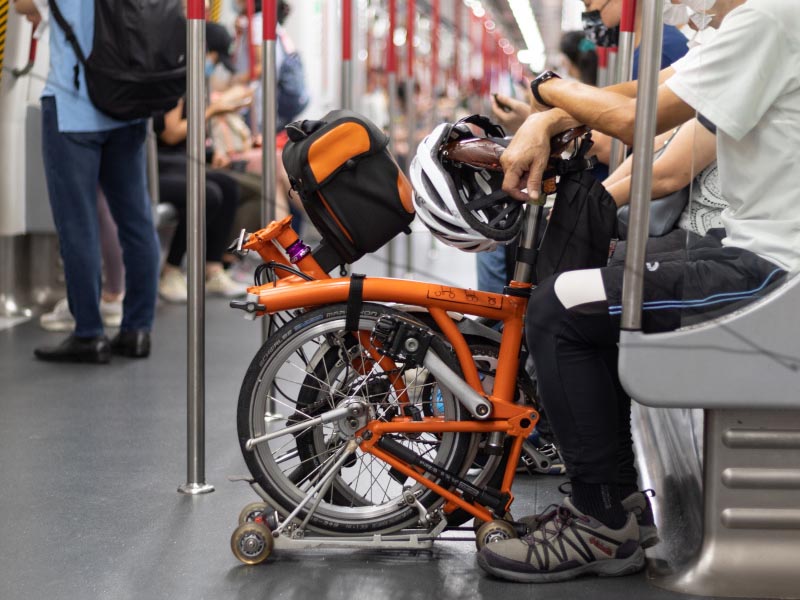
Folding bikes are built for this. Need to hop on an LRT, grab a Grab, or store it in a small apartment hallway? Just fold it up and go. They’re ideal for commuters who mix cycling with public transport.
Mini velos, while small, don’t collapse. So, unless your condo or workplace has secure parking or a bike rack, you might struggle with storage, especially during rainy days or when visiting multiple stops.
For seamless integration with public transport and easy storage, folding bikes are the clear winner.
Maintenance & Durability
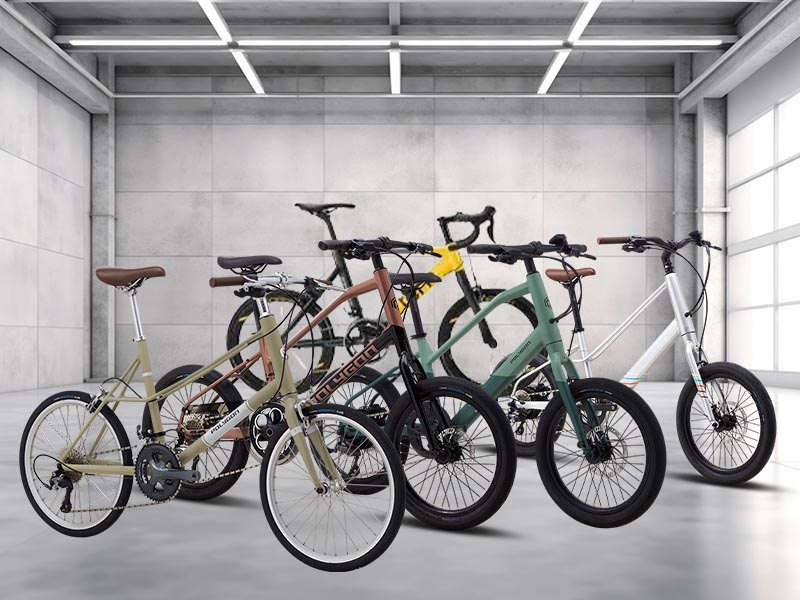
Mini velos are often built with road-bike-tier components, making them more robust for daily use, especially for longer commutes. Their non-folding frame also means fewer moving parts, which translates to less mechanical wear over time.
Folding bikes, because of their hinge and locking mechanisms, require a bit more care. Frequent folding and unfolding can lead to faster wear if not maintained properly. Some parts (like hinges) aren’t as easily replaced as regular bike components.
Pros & Cons Summary Table
|
Aspect |
Mini Velo |
Folding Bike |
|
Size & Portability |
Compact but non-folding |
Ultra compact and foldable |
|
Ride Comfort & Handling |
Agile, smooth ride like a road bike |
Relaxed, upright posture, less stable at speed |
|
Ease of Storage |
Takes up less space than full-sized bikes |
Super easy to store in apartments or transport |
|
Multimodal Commuting |
Not ideal—can’t bring on MRT/LRT easily |
Perfect for bus/train combo commutes |
|
Maintenance & Durability |
Fewer moving parts = less maintenance needed |
Hinges require more care over time |
How to Choose the Best Compact Bike for Your Commute?
At the end of the day, choosing between a mini velo and a folding bike comes down to how you commute. Not just where you’re going, but how you get there, how much space you have, and how fast you want to ride.
Here are a few key questions to help narrow it down:
1. Do you combine cycling with LRT or KTM?
Go for a folding bike. Being able to fold your ride and carry it into public transport during rush hour is a game-changer. Some folding bike models are designed for smooth transitions between road and rail.
2. Do you ride longer distances or want a more “road-bike” feel?
Then a mini velo might suit you better. With its rigid frame and efficient geometry, a mini velo like gives you more power and precision on the road, even if it doesn’t fold.
3. Live in a small apartment or need to stash your bike at the office?
Foldable bicycles are way easier to store, under a desk, beside your door, or even inside a wardrobe. If indoor space is tight, you’ll appreciate the footprint of a folded bike.
4. Not a fan of regular maintenance?
While both types need some care, mini velos have fewer moving parts, especially since they don’t fold. That makes them slightly more durable and hassle-free for everyday riding, particularly if you’re the “ride hard, park fast” type.
So, if your commute involves multiple modes of transportation, tight storage, or casual rides, consider a folding bike. But if you want more speed, stability, and low-maintenance riding, mini velo.
Compact Bikes You Can Get at Rodalink Malaysia
Ready to ride? Whether you lean toward the speed of a mini velo or the practicality of a folding bike, Rodalink Malaysia has solid options for both styles, ranging from budget-friendly picks to premium commuters.
Mini Velo Lineup
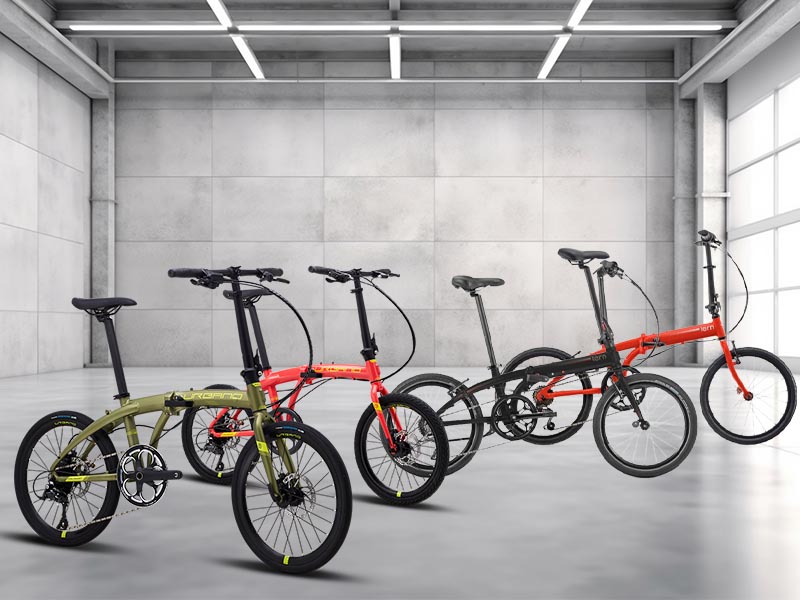
- Polygon Zeta Velo: A classic mini velo with a sleek, city-ready design. Great for daily commutes and weekend cruising, especially if you're new to mini velos but want solid performance.
- Polygon Zeta Mixte: Same Zeta DNA, but with a step-through frame, perfect if you’re looking for something more practical, stylish, and easy to mount (especially in office attire or dresses).
- Polygon Gili Velo (Electric): Your shortcut through KL traffic. This compact electric mini velo is ideal for riders who want minimal pedaling effort without sacrificing city maneuverability.
- Tern Surge Pro: A high-performance mini velo built like a road bike in disguise. If you want to slice through city streets with serious style and speed, this is the choice.
Irresistible Tern mini velo promo you can’t miss
Folding Bike Lineup
- Polygon Urbano 3: A simple, budget-friendly folding bike that does the job. Light, compact, and easy to fold, perfect for students or casual commuters hopping on and off public transport.
- Polygon Urbano 5: A step up in quality, with better components and a smoother folding mechanism. Good for frequent riders who want reliability without breaking the bank.
- Tern Link B7: Tern’s reputation for premium folding bikes shines here. The Link B7 offers great value and solid ride quality in a super portable package.
- Tern Link D8 Limited Edition: A commuter’s dream with upgraded specs and a special-edition finish. Lightweight yet sturdy, built for both everyday use and style-conscious city rides.
Each of these bikes fits a different type of rider and commute scenario. Whether you're trying to beat rush hour or cruise casually to your favorite kopi spot, there’s a compact ride here with your name on it.
Read also
Conclusion
Both mini velo and foldable bikes are smart choices for commuting in Malaysia’s urban environment, but which one fits your daily grind depends on how you move.
If your routine involves crowded trains, limited storage, or last-mile commuting, a folding bike offers unbeatable portability and flexibility. But if your priority is speed, ride stability, and long-term durability, a mini velo delivers a smoother, road-like experience in a compact form.
There’s no one-size-fits-all answer, only the bike that fits your lifestyle best. Consider how far you ride, how much you need to carry, and where you’ll store your bike at the end of the day. Ready to ride smarter?
Explore the full lineup of mini velos and folding bikes at Rodalink Malaysia, and start pedaling your way to a better commute.
Urban commuting essentials you might like
- Brooks Scape Pocket Saddle BagMYR 239.00
- Topeak Mini USB Combo Light SetMYR 323.00



Please complete your information below to login.
Sign In
Create New Account