Toggle Nav 



Bike Maintenance: 5 Steps to Lubricate Your Chain
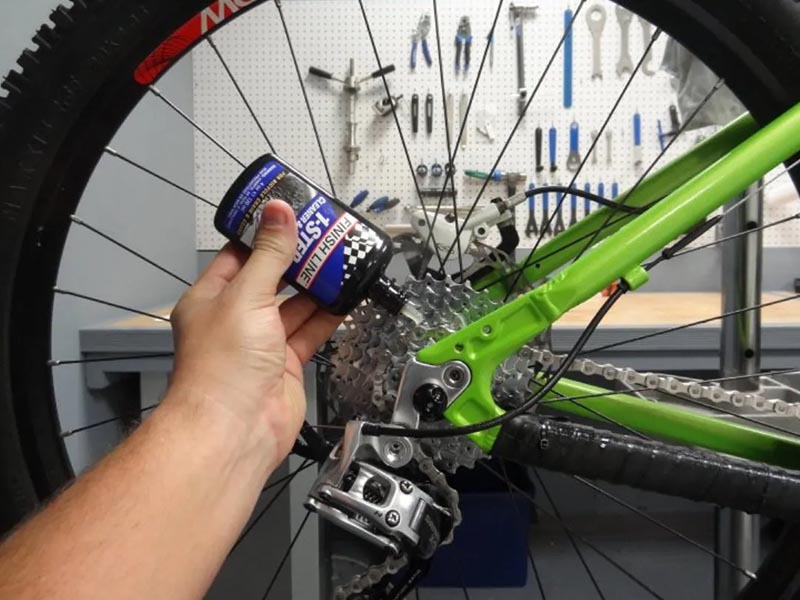
Regular lubrication of bike chains is essential to safeguard them against rust and minimize friction. With wear and tear, chains become susceptible to breakage, emphasizing the importance of proper maintenance. By caring for your chain diligently, you not only optimize your bike's performance but also prevent potential damage or failure.
In this article, we will explain how to properly lubricate your chain, the type of lubes, and the benefits of regularly lubricating the chain.
When should you lubricate the chain?
You should lube the chain under several circumstances to ensure optimal performance and longevity of your bike's drivetrain.
Firstly, after riding in wet conditions, moisture can wash away lubricant and promote rust and corrosion on the chain. Therefore, applying lubricant after such rides helps protect the chain from damage and ensures smooth operation. Additionally, it's essential to lube the chain whenever it appears dry or emits noise during pedaling.
A dry chain indicates a lack of lubrication, which can lead to increased friction, accelerated wear, and potential damage to the drivetrain components. Lubricating the chain in this scenario helps maintain smoothness and efficiency while reducing wear and noise.
Finally, it's advisable to lubricate the chain regularly, typically every 100-200 miles or as needed based on riding conditions. Factors such as terrain, weather conditions, and frequency of use can affect the chain's lubrication needs. By adhering to a regular lubrication schedule, you can ensure consistent performance, prolong the lifespan of your bike's components, and enjoy a smoother riding experience overall.
Know the type of chain lube
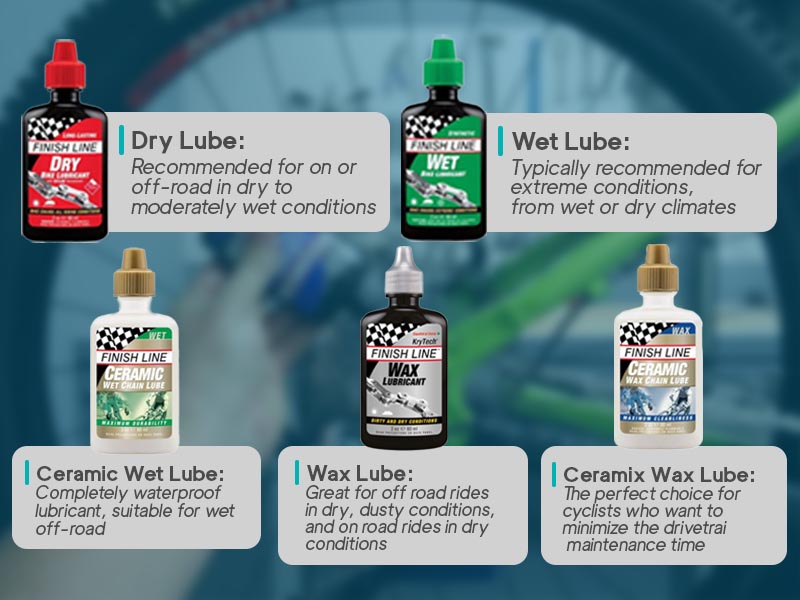
The type of bicycle lubricant is important to consider because different lubricants are designed for specific conditions and purposes. Using the appropriate lubricant can significantly affect the performance and longevity of your bike's components, particularly the chain.
At least there are 4 types of lubes distinguished based on their intended purposes:
- Dry lubricants are specifically engineered for use in dry conditions, offering improved efficiency by reducing friction and preventing debris buildup.
- Wet lubricants, designed for wet or dry and year-round conditions, maintain their effectiveness for longer durations due to their higher viscosity.
- Ceramic lubricants, available in both wet and dry variants, contain tiny ceramic particles that outperform standard synthetic oils in reducing friction.
- Wax lubricants, derived from paraffin wax, exhibit remarkable performance enhancements, extended lifespan, and enhanced resistance to contaminants.
How to apply and use lube correctly?
Lubricating your bike chain can feel like a daunting task for beginners, but fear not. While it may seem challenging at first, it's entirely possible to do it yourself, even as a novice. Follow these simple steps to ensure your bike's chain is properly lubricated and ready for smooth rides ahead.
-
Make sure the chain is clean
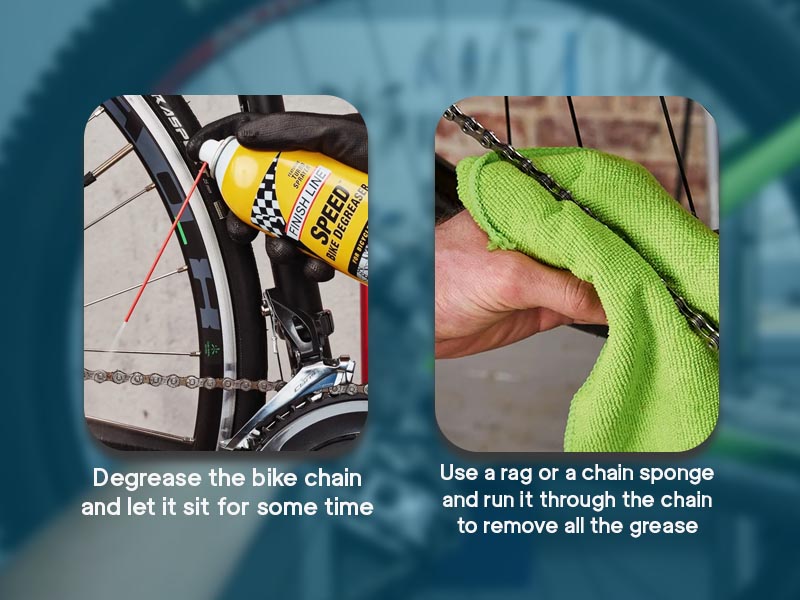
Note before you begin, safeguard your hands by wearing gloves.
Before applying new lubricant, it's essential to thoroughly clean the chain to eliminate any old grease and dirt. Start by applying a degreaser to the chain, which will effectively break down the accumulated grease and grime. Ensure thorough cleaning to achieve a spotless chain. This step is crucial to enable the new lubricant to adhere properly to the chain's surface without any interference from the residual old lubricant.
Once the degreaser has had time to work its magic, wait for around 5 minutes and use a brush to scrub the chain and remove the loosened grease. Be thorough in this step to ensure the chain is clean and ready for lubrication.
-
Clear Away Any Remaining Degreaser

After scrubbing the chain, rinse off any excess degreaser with a towel. It is essential to remove all traces of degreaser to prevent it from interfering with the performance of the new lubricant.
-
Apply the New Lubricant

With the chain clean and dry, it's time to apply the new lubricant. Apply a small amount of lubricant to each link of the chain, ensuring even coverage throughout. Start at the joining pin and apply lubricant to each roller. Slowly rotate the pedals backward to help the lubricant penetrate the chain's internals.
After completely applying the lubricant to the chain, allow it to settle for 20-30 seconds, then pedal backward for around 30 seconds to allow the lubricant to fully penetrate and work its way through.
-
Wipe Off Extra Lubricant

Once the chain is adequately lubricated, after maybe a couple of hours, you can use a clean rag to wipe off any excess lubricant from the chain's outer plates and derailleur pulleys. Removing excess lubricant will prevent it from attracting dirt and debris, ensuring a smoother ride
What are the benefits of regularly lubricating the chain?
Regularly lubricating the chain offers several benefits, including:
-
Enhanced Performance
Proper lubrication reduces friction between the chain and the drivetrain components, resulting in smoother pedaling and improved overall performance of the bike.
-
Increased Lifespan
Lubricating the chain regularly helps prevent premature wear and tear on the chain and other drivetrain parts. This prolongs their lifespan and reduces the need for frequent replacements.
-
Reduced Maintenance Costs
By preventing excessive wear and corrosion, regular chain lubrication can help minimize the need for costly repairs or part replacements, ultimately saving money in the long run.
-
Smooth Shifting
A well-lubricated chain facilitates smoother gear transitions, allowing for seamless shifting between gears and a more enjoyable riding experience.
-
Protection Against Rust and Corrosion
Lubricants create a protective barrier on the chain, guarding it against moisture and preventing rust and corrosion from forming, especially in wet or humid conditions.
Conclusion
In conclusion, regular maintenance of your bike's chain is essential for optimal performance and durability. By adhering to a proper lubrication schedule and following the correct techniques, you can ensure smooth rides, minimize wear and tear, and extend the lifespan of your bike's components.
Whether you're a beginner or an experienced cyclist, taking the time to properly care for your chain will pay off in the long run. So, don't hesitate to invest in quality lubricants and tools, and remember to visit RODALINK for all your biking needs. With the right maintenance regimen, you can enjoy countless miles of smooth and enjoyable rides on your bike.
Read More: Bike Maintenance Tips & Tricks
Finish Line Wet Lube Lubricant MYR 39.00 Finish Line Dry Lube Lubricant MYR 79.00 Finish Line Ceramic Wet Lube MYR 79.00



Please complete your information below to login.
Sign In
Create New Account