Toggle Nav 



Hardtail vs Full Suspension in Mountain Bikes Explained

Mountain biking is a thrilling adventure that allows riders to conquer a wide range of terrains, from rugged trails to challenging downhill descents. But when it comes to choosing the right mountain bike, the decision often boils down to one crucial factor: hardtail or full suspension?
The choice between a hardtail and a full suspension mountain bike is not a simple one. It's a decision that can significantly impact your riding experience, performance, and overall enjoyment on the trails. In this comprehensive guide, we will delve into the world of MTB, exploring the key differences between hardtails and full suspension bikes.
What are Suspensions in Mountain Bikes?
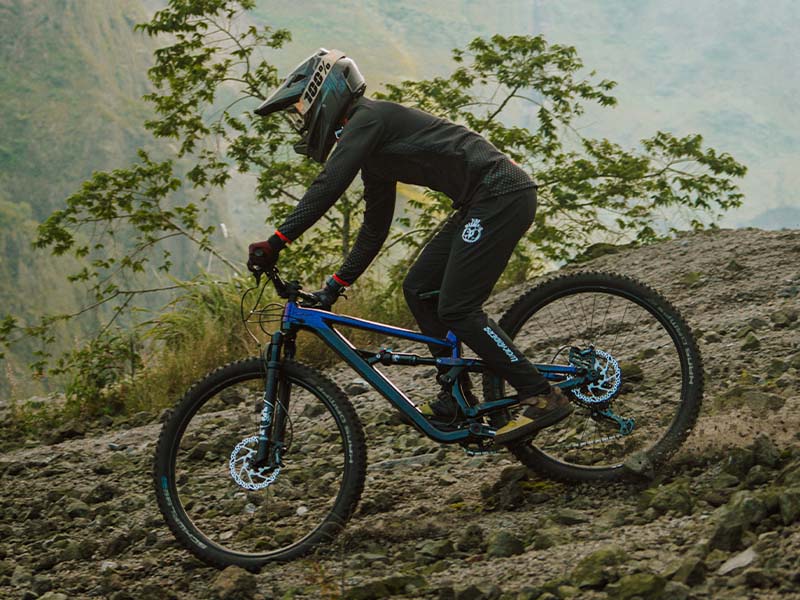
Before we delve into the world of hardtail and full suspension mountain bikes, it's essential to understand the fundamental concept that underpins these two categories: suspensions. In the context of mountain biking, suspensions refer to the systems designed to absorb and dampen the shocks and vibrations encountered while riding over uneven terrain. These systems play a pivotal role in enhancing rider comfort, control, and overall performance.
Suspensions in mountain bikes are akin to shock absorbers in automobiles. They consist of various components, including forks and rear suspensions. The front suspension of an MTB is usually referred to as the "fork." It's located at the front of the bike and consists of two fork legs that attach to the wheel. Inside the fork are suspension components like springs and dampers (often referred to as "shocks") that absorb impacts from the front wheel.
In contrast to hardtail bikes, full suspension bikes feature rear suspension systems. These systems consist of shock absorbers, linkages, and pivots, allowing the rear wheel to move independently from the frame. This design helps absorb impacts from the rear wheel, providing better traction and control on rough terrain.
Hardtail Suspension Explained

A hardtail mountain bike, as the name suggests, is a type of mountain bike that features a suspension fork in the front but lacks rear suspension. This design gives it the distinctive "hardtail" name, referring to the rigid rear frame. The front suspension fork is equipped with springs and dampers to absorb impacts from the front wheel, providing a degree of comfort and control when navigating uneven terrain. Hardtails are often recognized for their simplicity, which is reflected in their design with fewer moving parts compared to full suspension bikes.
Advantages of Hardtail Suspension
Hardtail mountain bikes come with several inherent advantages that make them a popular choice for many riders. One notable advantage is their simplicity and ease of maintenance. With fewer components involved, hardtails are typically easier to maintain, and maintenance costs are generally lower. Additionally, hardtails are known for their efficiency when it comes to power transfer. This efficiency is particularly beneficial for climbing and riding on smoother trails, where the absence of rear suspension results in less energy loss due to pedal bob.
Challenges of Hardtail Suspension
While hardtail MTBs have their merits, it's important to acknowledge their limitations. One of the key drawbacks is their performance on rough and technical terrain. Because hardtails lack rear suspension, riders may feel more of the bumps, roots, and rocks on the trail, which can lead to rider fatigue and discomfort on extended rides. Furthermore, on aggressive downhill descents where full suspension bikes shine in absorbing impacts, hardtails may not provide the same level of control and confidence. Understanding these limitations is crucial in selecting the right bike for your preferred riding style and terrain.
- Polygon Xtrada 5 Mountain Bike 2022MYR 1,999.00-20%Special Price MYR 1,599.20


Full Suspension Explained

In contrast to hardtail mountain bikes, full suspension mountain bikes offer a different approach to tackling challenging terrain. A full suspension bike features both front and rear suspensions, which work in tandem to absorb shocks and vibrations encountered on the trail. The front suspension fork is similar to that of hardtails, while the rear suspension consists of a shock absorber, linkages, and pivots, allowing the rear wheel to move independently from the frame. This design significantly enhances the bike's ability to maintain traction and control over rough and unpredictable terrain.
Advantages of Full Suspension
Full suspension mountain bikes are favored by riders who seek a more comfortable and controlled ride, especially when navigating technical and demanding trails. One of their primary advantages is their ability to absorb impacts effectively from both the front and rear wheels. This translates to superior traction, reduced fatigue, and enhanced handling, especially on rocky descents and uneven terrain. Additionally, full suspension bikes offer a smoother and more comfortable ride, which can lead to increased confidence and enjoyment on longer rides.
Challenges of Full Suspension
While full suspension MTBs excel in providing comfort and control, they do come with some limitations to consider. The addition of rear suspension components and linkages can make these bikes more complex and slightly heavier than hardtails. This complexity can result in higher maintenance costs and potentially more points of failure, although modern designs have made great strides in addressing these issues. Additionally, full suspension bikes may not be as efficient for climbing and smooth trails compared to hardtails due to the slight energy loss from the suspension system. However, advancements in suspension lockout system
- Polygon Siskiu D5 MTB Dual Suspension BikeMYR 2,999.00
- Polygon Siskiu T7 MTB Dual Suspension BikeMYR 6,699.00-21%Special Price MYR 5,359.20


Conclusion
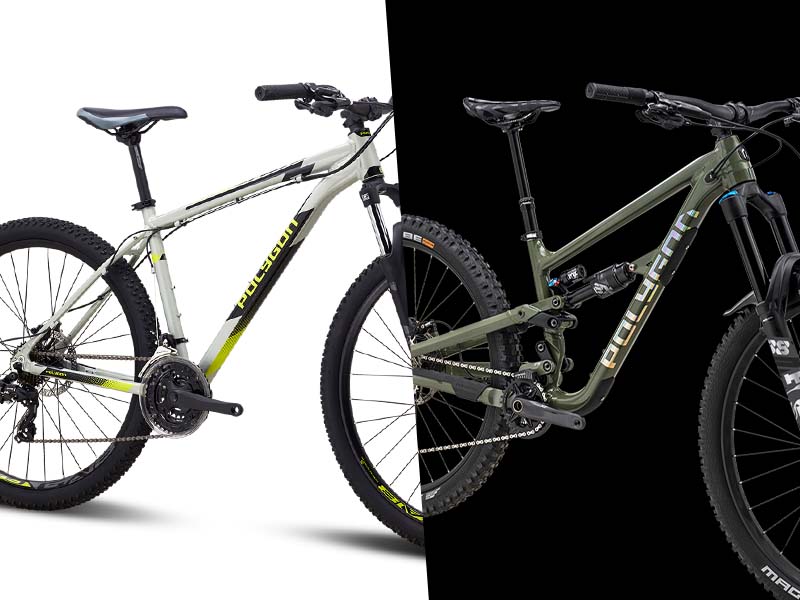
In conclusion, the choice between a hardtail and a full suspension MTB is a decision that significantly impacts your riding experience. As we've explored the differences between these two categories, it's clear that understanding suspensions and the advantages and disadvantages of each type is crucial.
When making your decision, consider your skill level, the type of terrain you'll ride on, budget constraints, and your preferences regarding maintenance and durability. Beginners often find hardtails a suitable starting point, while intermediate riders appreciate the added control of full suspension. Advanced riders tailor their choices to their specific style and goals. Terrain matters too—smooth trails favor hardtails, while rugged, technical terrain demands the comfort and control of full suspension.
Budget considerations play a role, as hardtails are budget-friendly, while full suspension bikes offer enhanced performance on challenging trails. Additionally, consider maintenance and durability; hardtails are low maintenance but may struggle on intense rides, whereas full suspension bikes excel in durability but require more upkeep.
Ultimately, your mountain biking journey should align with your skills, terrain preferences, and budget while ensuring a balance between maintenance ease and ride durability. Armed with these considerations, you can confidently choose the MTB that best suits your needs and embark on thrilling adventures in the world of mountain biking.
Please complete your information below to login.
Sign In
Create New Account