Toggle Nav 



Electric Bicycle vs. Motorcycle: Which is Better for Commuters?
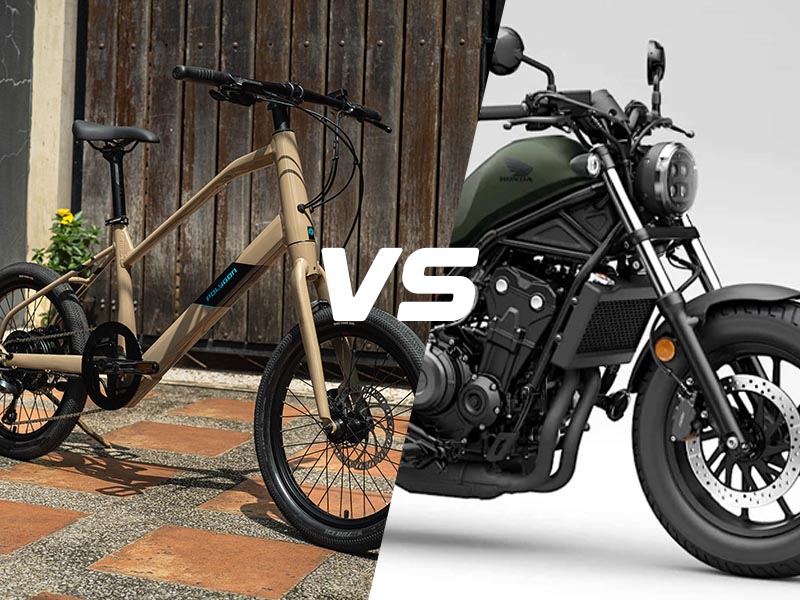
In Malaysia, the rise of urbanization and daily commutes has made transportation efficiency a top priority for many. Two popular options for city commuting are electric bicycles (e-bikes) and motorcycles. While both provide practical solutions, they each have distinct advantages and limitations. For commuters deciding between the two, this article will compare the pros and cons of e-bikes and motorcycles, focusing on costs, convenience, and environmental impact.
1. Cost Efficiency: Purchase Price and Maintenance
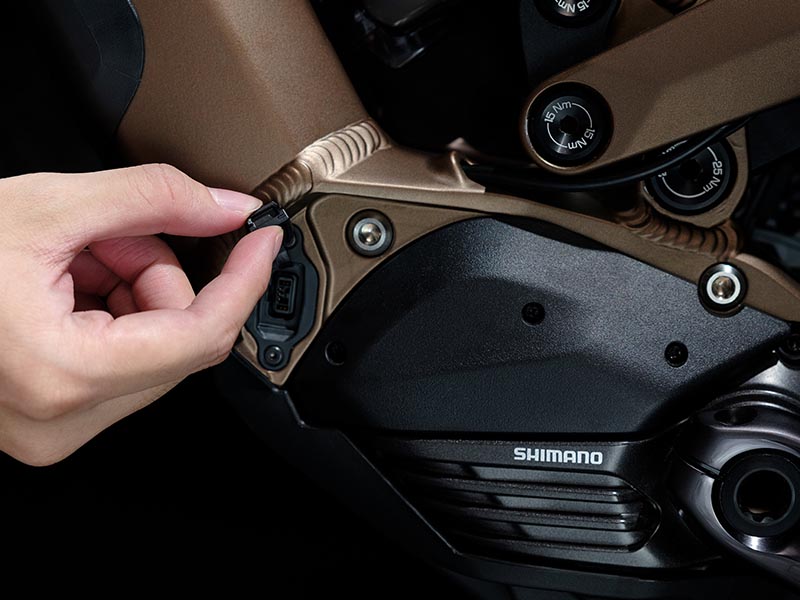
E-bikes are generally more affordable than motorcycles. In Malaysia, a quality electric bicycle typically costs between RM3,500 to RM10,000, while motorcycles usually start around RM6,000 and can easily reach RM20,000 or more for premium models. This lower upfront cost makes e-bikes a budget-friendly option, especially for commuters who don’t need the higher speed and power that a motorcycle offers.
In terms of maintenance, e-bikes are significantly cheaper to maintain than motorcycles. E-bikes require minimal servicing, with the primary maintenance involving the occasional battery replacement and routine checks on brakes and tires. Motorcycles, on the other hand, involve more complicated components such as the engine, oil changes, spark plugs, and regular mechanical servicing, all of which add to the total cost of ownership.
2. Operating Costs: Fuel vs. Electricity
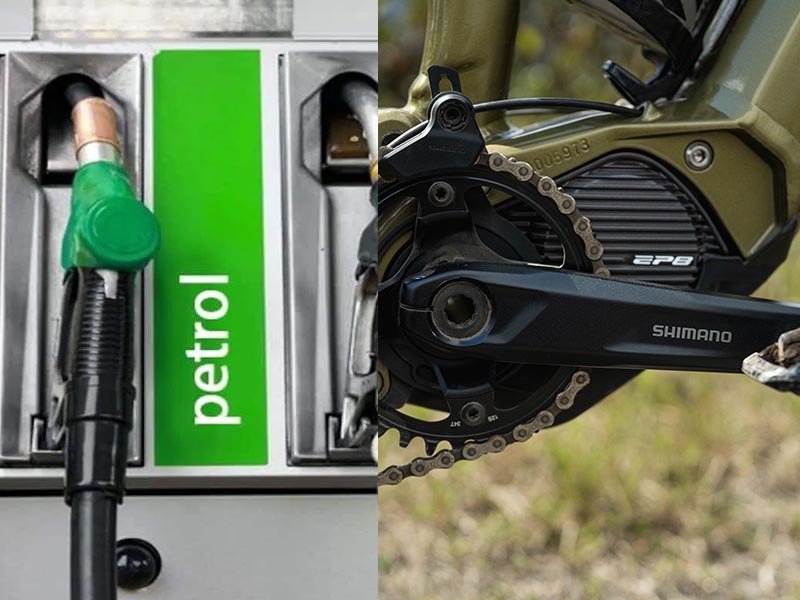
One of the biggest differences between electric bicycles and motorcycles lies in their operating costs. E-bikes run on electricity, which is considerably cheaper than petrol. Charging an e-bike battery costs only a few ringgit per full charge, while refueling a motorcycle tank can cost RM10-RM20 depending on fuel prices and usage.
Moreover, electric bicycles do not require road tax, insurance, or parking fees in most cases, making them more financially accessible for daily commuting. Motorcycles, however, come with higher recurring costs in terms of fuel, insurance, road tax, and paid parking, especially in busy urban areas.
3. Speed and Range
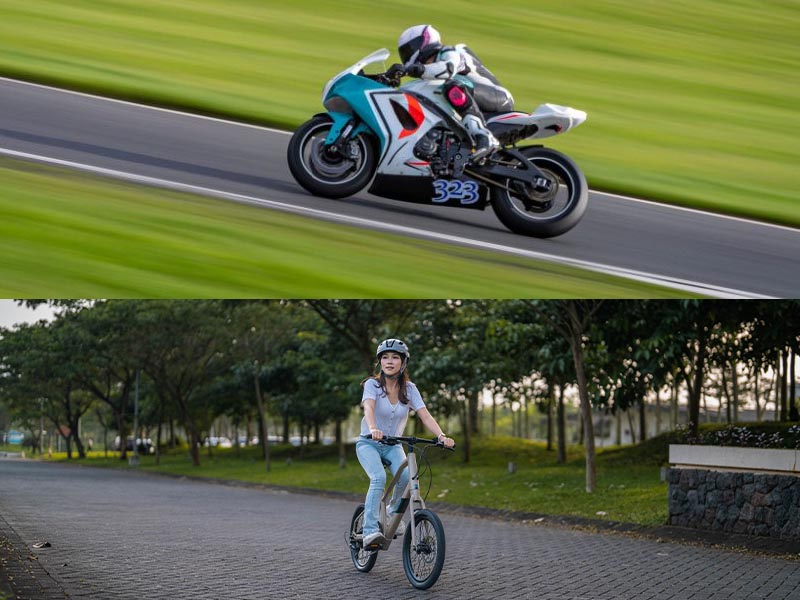
Motorcycles are faster than e-bikes, with most motorcycles capable of reaching speeds between 80-110 km/h. This makes motorcycles ideal for longer commutes or highway travel. In contrast, e-bikes usually have a top speed of 25-45 km/h, depending on the model and local regulations.
When it comes to range, electric bicycles can typically cover 30-100 km on a full charge, making them suitable for short to medium-range commuting, especially within urban areas. Motorcycles, on the other hand, can travel longer distances on a full tank and are better suited for intercity travel or long commutes.
4. Convenience: Urban Navigation and Parking
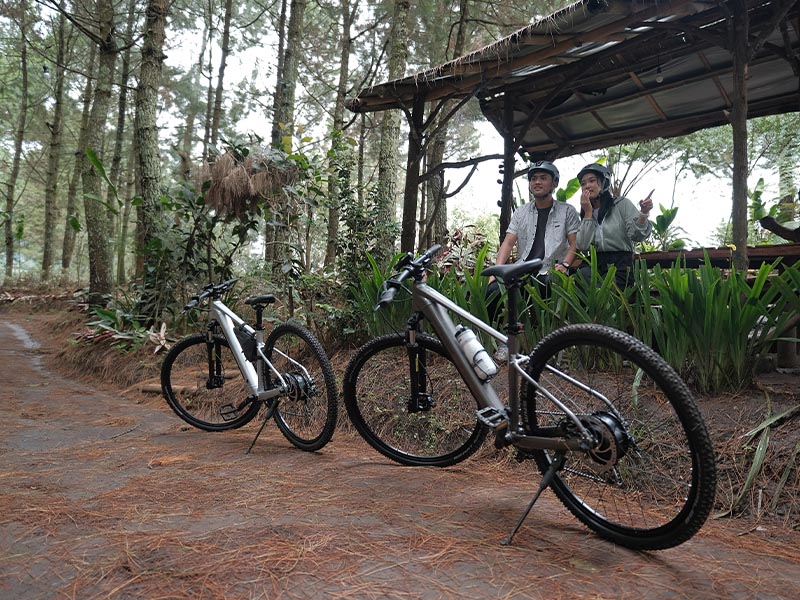
One of the main advantages of e-bikes is their maneuverability in congested city streets. Due to their lighter weight and smaller size, e-bikes can weave through traffic, access bike lanes, and are easy to park even in crowded spaces. E-bikes can also be carried indoors or stored in small apartments, making them highly convenient for urban living.
Motorcycles, while still more maneuverable than cars, are larger and require more parking space. Parking fees for motorcycles also add up over time, especially in commercial and city center areas. However, motorcycles are better for those who need to travel long distances or on highways, where an e-bike’s lower speed and range could become a limitation.
5. Environmental Impact

Electric bicycles have a much smaller environmental footprint compared to motorcycles. Since e-bikes run on rechargeable batteries, they produce zero emissions during operation, contributing to cleaner air in urban environments. Given the increasing focus on reducing carbon emissions globally, opting for an e-bike can be a more eco-friendly choice for environmentally conscious commuters.
Motorcycles, on the other hand, still rely on fossil fuels and produce emissions, though they are generally more fuel-efficient than cars. However, the environmental impact of motorcycles is still greater than that of e-bikes due to the production of exhaust gases that contribute to air pollution and climate change.
6. Health Benefits
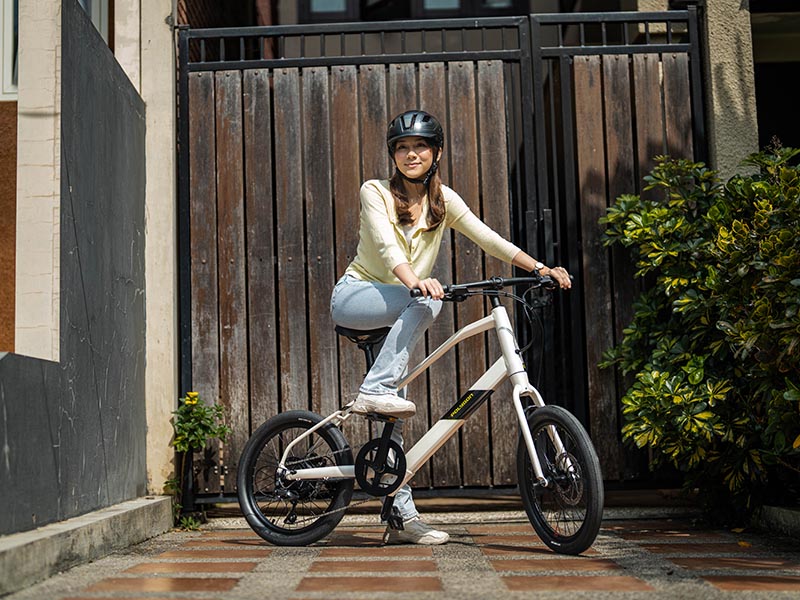
One of the unique advantages of e-bikes is the physical health benefits they offer. Even though they have a motor, most e-bikes still require pedaling, especially in low-power modes or when the battery runs out. This gives riders a light cardiovascular workout during their commute, promoting better fitness and health. For individuals looking to stay active while commuting, an e-bike is an excellent solution that offers both exercise and convenience.
Motorcycles, on the other hand, provide no physical exercise during travel. While they offer speed and efficiency, they do not contribute to personal health in the same way that e-bikes can.
7. Safety Considerations
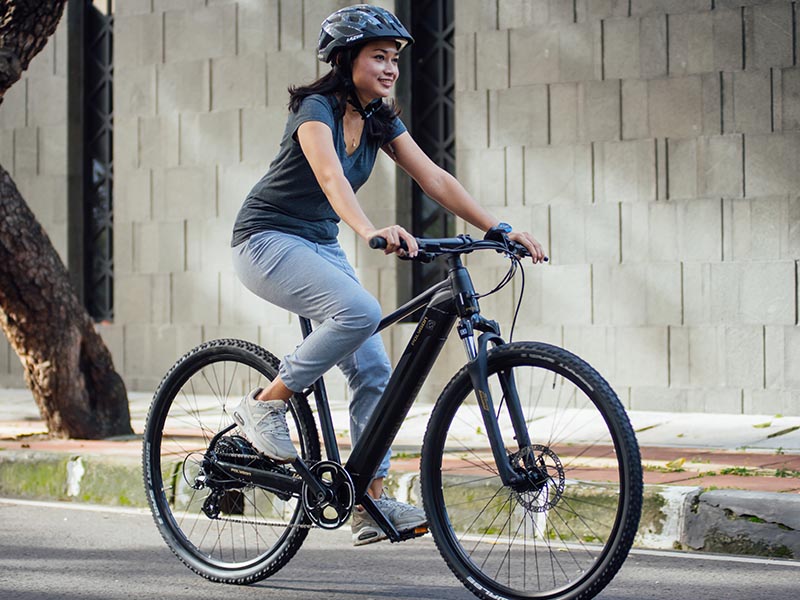
In terms of safety, e-bikes generally travel at lower speeds, which can reduce the risk of severe accidents compared to motorcycles. With e-bikes, riders can often use bike lanes, reducing their exposure to high-speed traffic. However, e-bikes are also smaller and lighter, which can make them less visible to other vehicles on the road.
Motorcycles, with their higher speeds, are more prone to serious accidents, especially on highways and busy roads. Motorcycle riders must always wear protective gear, including helmets, jackets, and gloves, to ensure safety during their commute.
8. Legal Regulations and Road Access
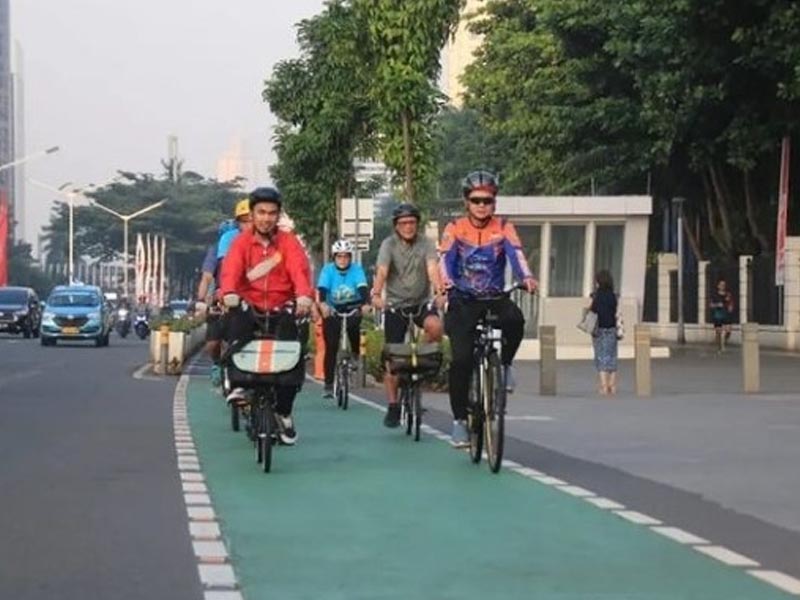
In Malaysia, e-bikes are generally subject to fewer legal restrictions than motorcycles. E-bikes riders are often allowed to use bike lanes, sidewalks, and other non-motorized areas, providing greater flexibility in avoiding traffic jams. Motorcycles, on the other hand, are restricted to roads and highways, and riders must adhere to stricter road safety laws, including the use of helmets and proper licenses.
E-bikes can also be ridden by those without a motorcycle license, making them more accessible for individuals who don’t have or don’t want to obtain a motorcycle license. Motorcycles, however, require a valid motorcycle license, which may limit accessibility for some people.
Conclusion: Which is Better for Malaysian Commuters?
For many Malaysian commuters, electric bicycles provide an excellent alternative to motorcycles for short to medium commutes, particularly in urban areas. With their lower cost, ease of use, and environmental benefits, e-bikes are perfect for individuals who want a convenient, cost-effective, and green commuting solution.
Motorcycles, on the other hand, remain a strong choice for those who need higher speeds, longer ranges, and more power for commuting over greater distances or outside city limits. Ultimately, the choice between an e-bike and a motorcycle will depend on your commuting needs, budget, and personal preferences. For environmentally-conscious riders looking for an affordable, efficient, and flexible way to get around town, an e-bike is a smart and forward-thinking option.
Pick Our Top Electric Bicycles Recommendation:
- Polygon Gili Velo Electric Bike 2023MYR 4,999.00
- Polygon Gili Velo Electric Bike 2021MYR 4,999.00


Or: See Our Electric Bicycles Full Collection Here

Please complete your information below to login.
Sign In
Create New Account