Toggle Nav 



Complete Guides to Choosing the Best Gravel Bike
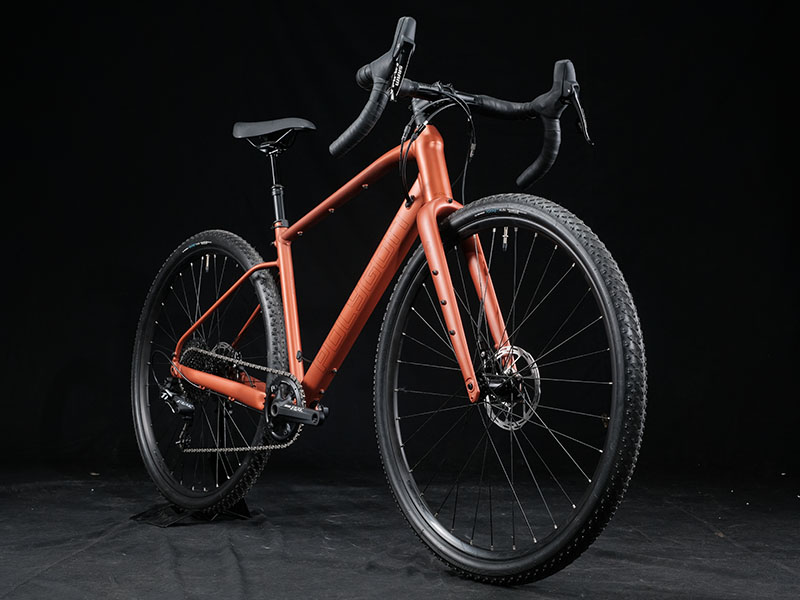
Gravel biking has surged in popularity in recent years, providing cyclists with an ideal mix of adventure, fitness, and exploration. The diverse terrain found in Malaysia makes gravel bikes a favored option among many cycling enthusiasts who seek to experience the outdoors in a unique way.
If you're considering buying a gravel bike from Rodalink Malaysia, this guide will assist you in exploring the various types, frame materials, sizes, and key components. By understanding these elements, you can find the perfect bike that meets your specific needs and enhances your cycling experience.
Understanding Gravel Bikes
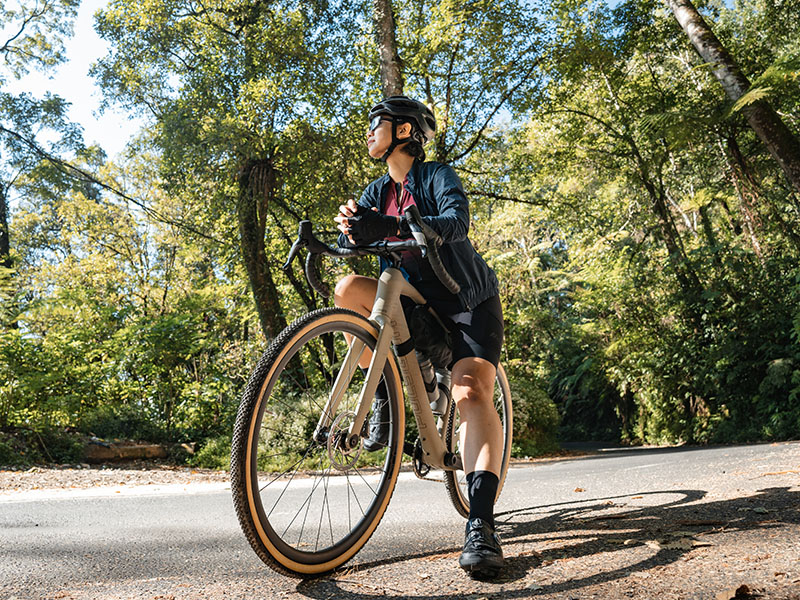
Gravel bikes are adaptable bicycles crafted to handle a range of terrains, such as dirt trails, gravel roads, and even smooth asphalt. In contrast to standard road bikes, gravel bikes feature a more comfortable geometry, wider tires, and a robust construction, making them ideal for long-distance journeys and multi-terrain excursions.
Types of Gravel Bikes
There are three primary types of gravel bikes, each designed to cater to different riding styles and preferences. Whether you're seeking a bike for fast-paced racing, comfortable touring, or rugged off-road adventures, understanding the distinctions between these gravel bike types will help you make an informed decision.
1. Adventure Gravel Bikes:
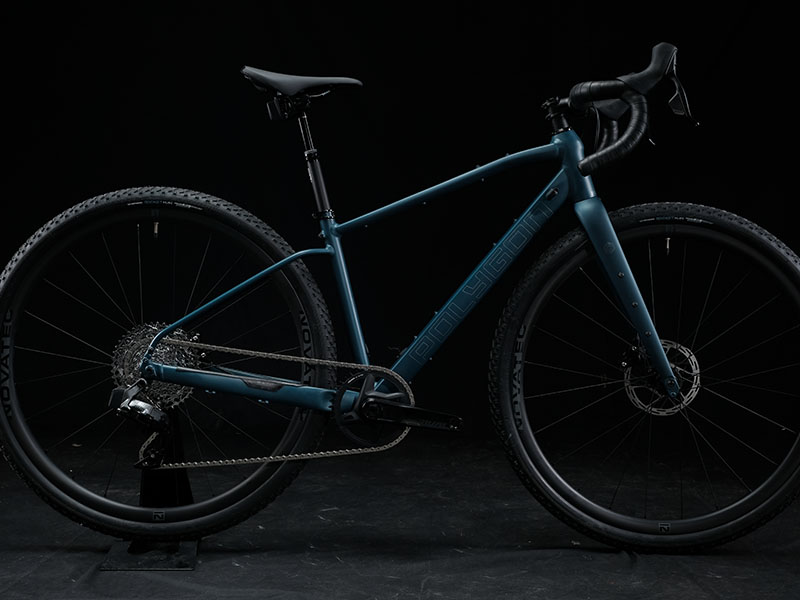
These bikes are specifically designed for long-distance touring and bikepacking expeditions. They come with multiple mounting options for racks and fenders, allowing you to carry all the necessary gear and supplies for extended trips.
They are particularly well-suited for cyclists who plan to navigate a mix of paved roads and off-road trails while hauling their equipment.
This versatility makes them an ideal choice for those seeking adventure and exploration on diverse terrains.
2. Performance Gravel Bikes:

Performance gravel bikes are designed specifically for speed and efficiency. They feature lightweight frames that enhance their ability to make the riders go faster . With higher gearing, these bikes provide a smooth and swift experience on gravel and dirt paths.
These bikes are ideal for competitive cyclists or anyone looking to enhance their performance on gravel trails.
Their construction and gearing make them perfect for those who prioritize speed while tackling various terrains.
3. All-Rounder Gravel Bikes:
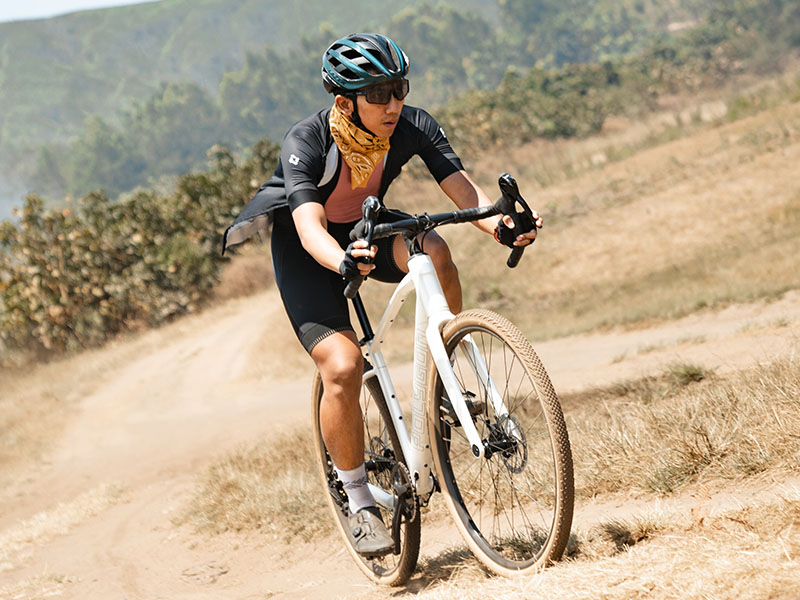
These bikes strike a perfect balance between comfort and performance, making them suitable for a variety of riding styles. They generally come with a relaxed geometry that allows for a more comfortable riding position, along with a wide range of gearing options.
This versatility enables riders to tackle different terrains with ease, whether they are on casual outings or longer journeys.
They are particularly well-suited for cyclists seeking a dependable bike that can adapt to both leisurely rides and adventurous excursions.
Read Also: Top 5 Reasons Why You Should Choose a Gravel Bike - Rodalink
Frame Materials
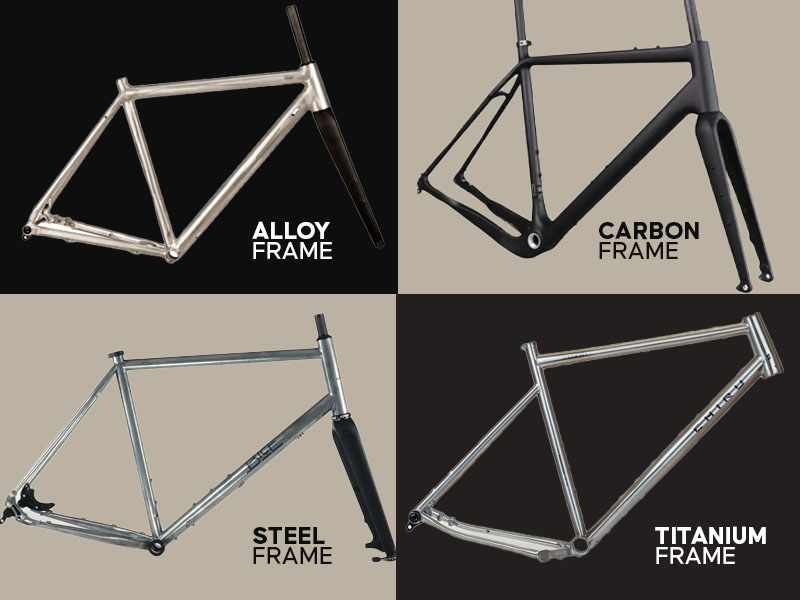
When choosing a gravel bike, the frame material is crucial as it affects the bike's weight, ride quality, and durability. Here are the most common materials used in gravel bikes:
1. Aluminum:
- Pros: Lightweight, affordable, and resistant to rust.
- Cons: Can transmit more road vibrations compared to other materials, affecting comfort.
2. Carbon Fiber:
- Pros: Extremely lightweight and can be molded into aerodynamic shapes. Offers excellent vibration dampening for a smoother ride.
- Cons: Generally more expensive and can be less durable than aluminum in terms of impact resistance.
3. Steel:
- Pros: Known for its durability and comfort, steel frames can handle rough conditions well. They also have a classic aesthetic.
- Cons: Heavier than aluminum and carbon, making them less ideal for climbing or racing.
4. Titanium:
- Pros: Combines the durability of steel with the lightweight benefits of aluminum. Titanium frames offer a unique ride quality and are resistant to corrosion.
- Cons: Generally the most expensive option, making them less accessible for many consumers.
Choosing the Right Size
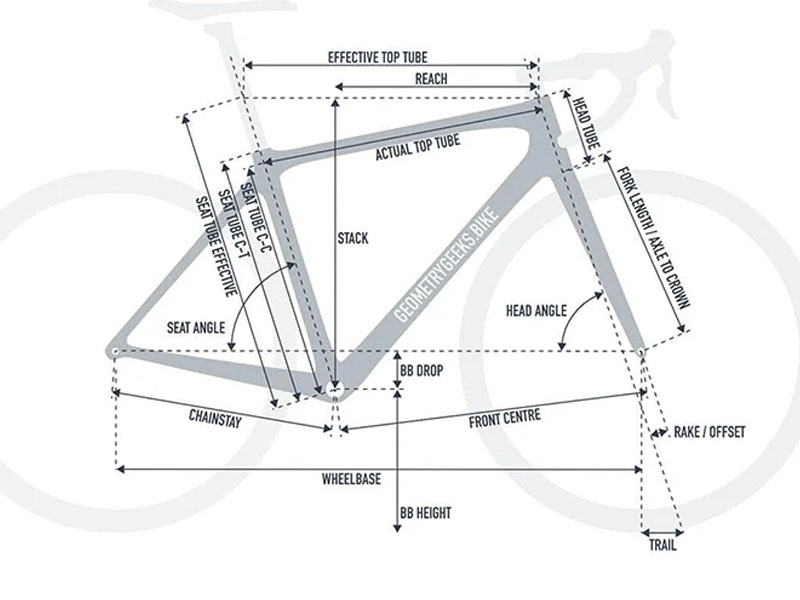
Finding the right size gravel bike is crucial for comfort and efficiency. Here are some key points to consider when sizing your bike:
- Frame Size: Most brands offer size charts based on your height and inseam length. It's essential to refer to the specific brand's chart as sizing may vary. Read more bike sizing guides here.
- Reach and Stack: These measurements refer to the bike's geometry. A shorter reach might suit riders who prefer a more upright position, while a longer reach is better for those looking for a more aerodynamic stance.
- Test Ride: If possible, always test ride the bike before purchasing. This will give you a feel for the fit and comfort level.
Key Components to Consider
1. Wheels and Tires:
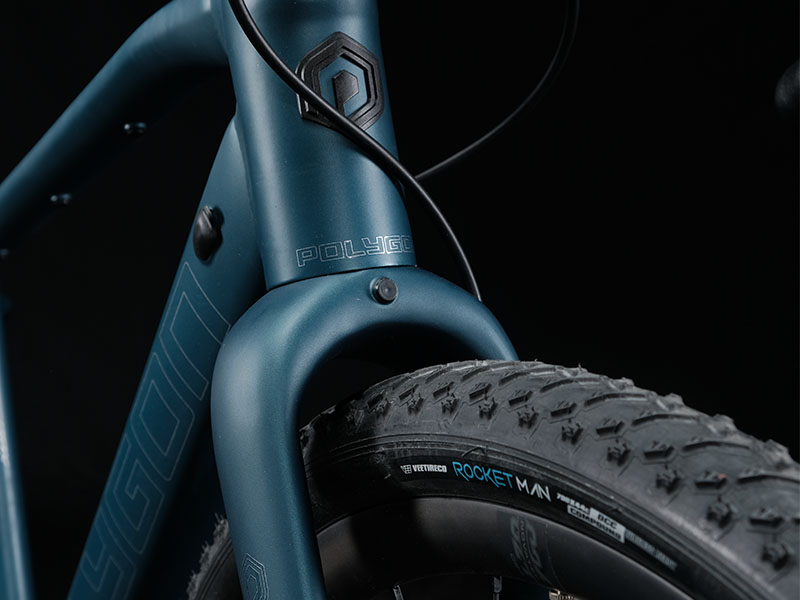
Opt for wider tires ranging from 35mm to 50mm to enhance grip and comfort on uneven terrains. Additionally, tubeless tires can help minimize flats and enhance the overall ride experience.
2. Brakes:
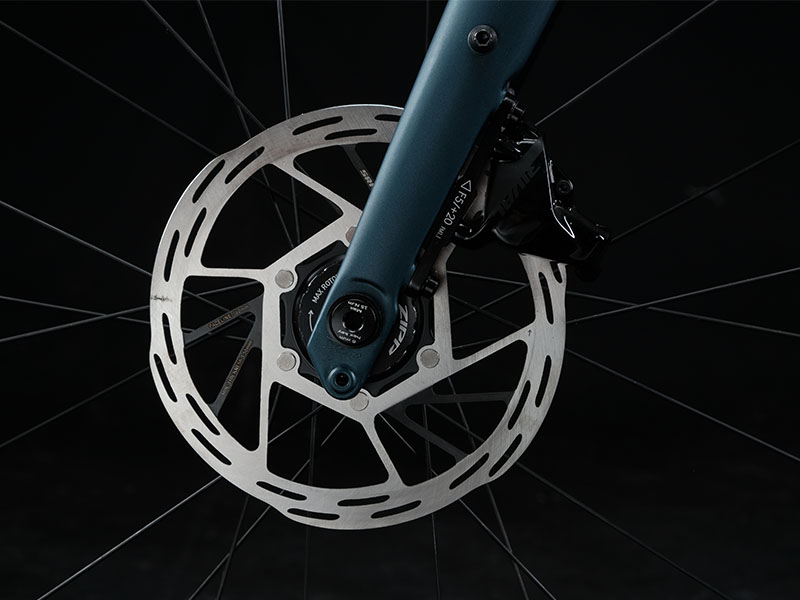
Gravel bikes typically feature disc brakes, whether mechanical or hydraulic, providing dependable stopping power in a range of weather conditions. These brakes are favored for their performance and reliability, ensuring safety while navigating different terrains.
On the other hand, rim brakes, while less common in gravel bikes, can still be found on certain models. Although they tend to be lighter in weight, they generally provide less braking power when the weather is wet, making them a less favorable option for more challenging riding conditions.
3. Gearing:
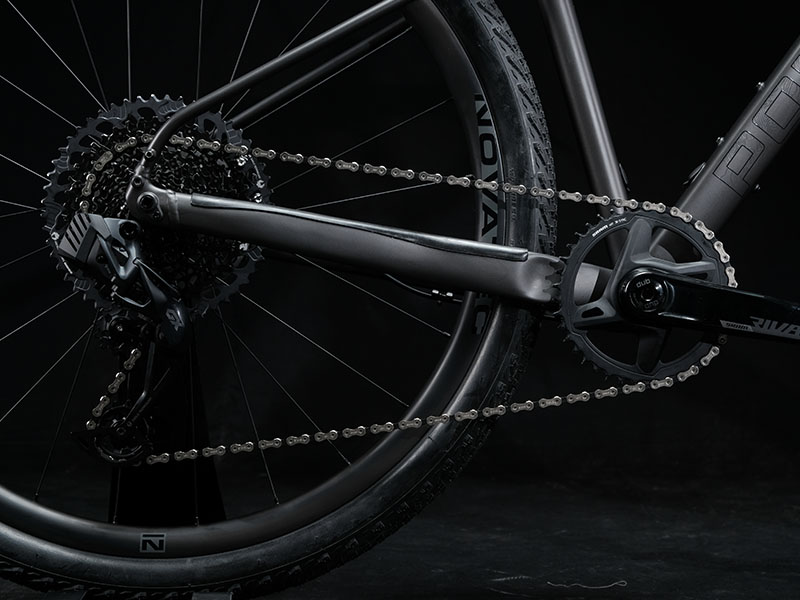
Gravel bikes typically offer a diverse selection of gearing options, including compact cranksets designed for handling steep ascents. When choosing a bike, consider the gear ratio that aligns with the types of terrain you intend to ride on.
4. Handlebars:
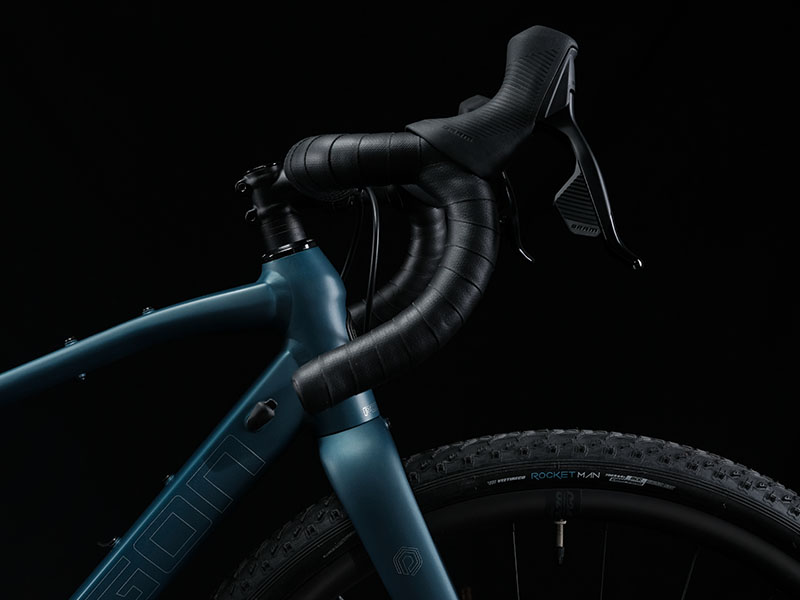
Drop bars are frequently found on gravel bikes, offering various hand positions that enhance comfort during extended rides.
On the other hand, flared bars provide a broader grip and improved control, particularly beneficial when navigating rough terrains.
5. Suspension:
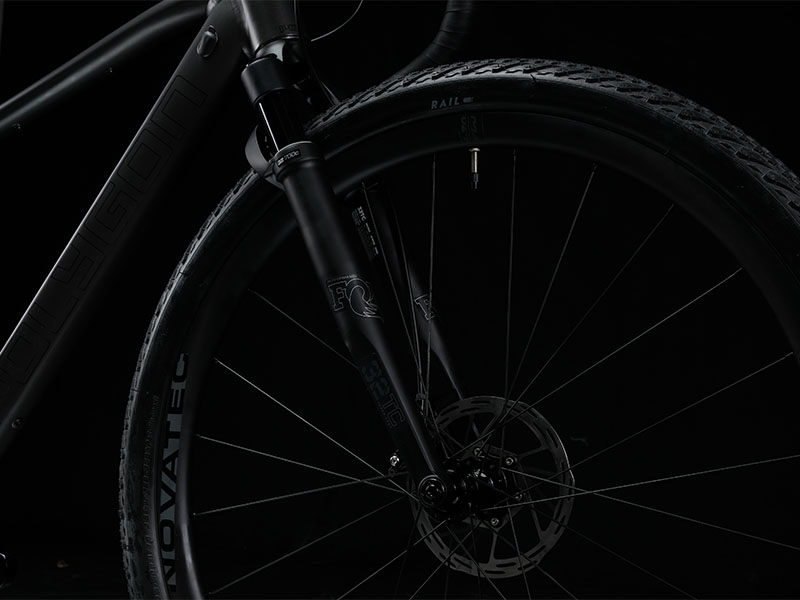
Certain gravel bikes are equipped with a slight suspension, typically through a suspension fork, to help absorb shocks. Although not prevalent, this feature can significantly improve comfort on rough terrain.
Budget Considerations
When selecting a gravel bike, establishing a budget is crucial. Rodalink Malaysia provides a wide selection of bikes across various price points, allowing you to find one that fits your requirements without overspending. Keep in mind that investing in a quality bike will enhance your performance and overall riding enjoyment.
Final Thoughts
Selecting the ideal gravel bike requires evaluating several factors, such as your intended riding style, the material of the frame, the size, and key components. By grasping these elements, you can make a well-informed choice that will improve your gravel riding experience.
Whether you aim to discover the stunning gravel paths in Malaysia or need a dependable bike for your everyday commute, the perfect gravel bike is out there for you. With the right selection, you'll be prepared to start your gravel biking adventures before you know it! Happy cycling!
Grab Your Gravel Bike:
- Polygon Bend R7 Gravel BikeMYR 5,999.00-21%Special Price MYR 4,799.20
- Polygon Tambora G5 Gravel BikeMYR 7,499.00-20%Special Price MYR 5,999.20



Please complete your information below to login.
Sign In
Create New Account