We use cookies to make your experience better. To comply with the new e-Privacy directive, we need to ask for your consent to set the cookies. Learn more.
















Essential Gravel Riding Skills Every Cyclist Must Master
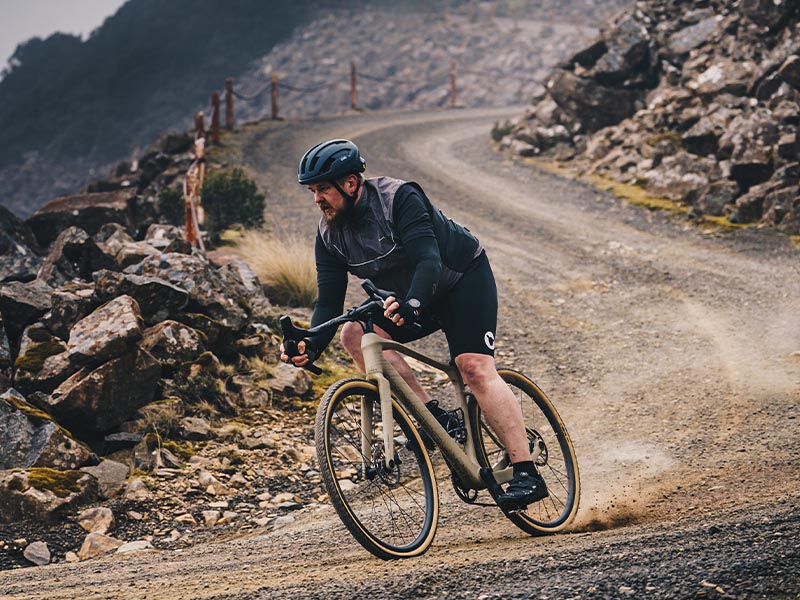
Gravel cycling is an exciting way to explore off-road terrain, combining the best of road and mountain biking. Whether you're riding a gravel bike or a touring bike, developing key riding skills will improve your confidence, efficiency, and overall experience. Let’s dive into the essential gravel riding skills every cyclist should master to make the most of their off-road adventures.
Why Gravel Riding Skills Matter
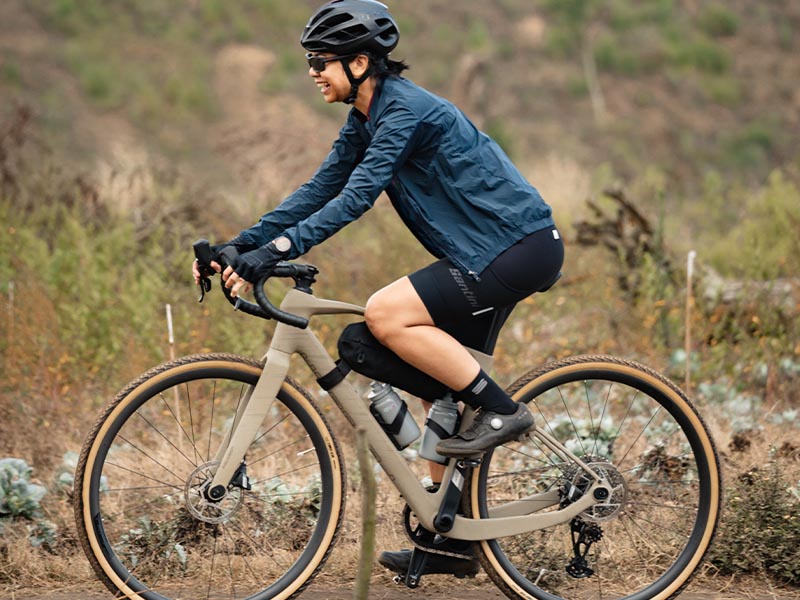
Gravel riding isn't just about hopping on a gravel bike and pedaling. It requires technique, awareness, and adaptability to navigate the ever-changing terrain. Unlike smooth pavement, gravel roads can be unpredictable, with loose stones, deep ruts, and shifting surfaces that demand precise bike handling skills.
Mastering these essential skills will help you:
- Ride confidently on different terrains without losing control.
- Improve handling and balance, allowing you to react swiftly to obstacles.
- Reduce fatigue and prevent common cycling injuries by adopting proper posture and bike setup.
- Enhance your overall endurance and efficiency, making long-distance rides more enjoyable.
- Minimize the risk of punctures and mechanical failures by understanding tire pressure and bike maintenance.
By honing these techniques, you’ll improve your performance and enjoy the thrill of gravel riding to the fullest. Now, let's explore the must-have skills to elevate your gravel cycling experience!
1. Research the Terrain
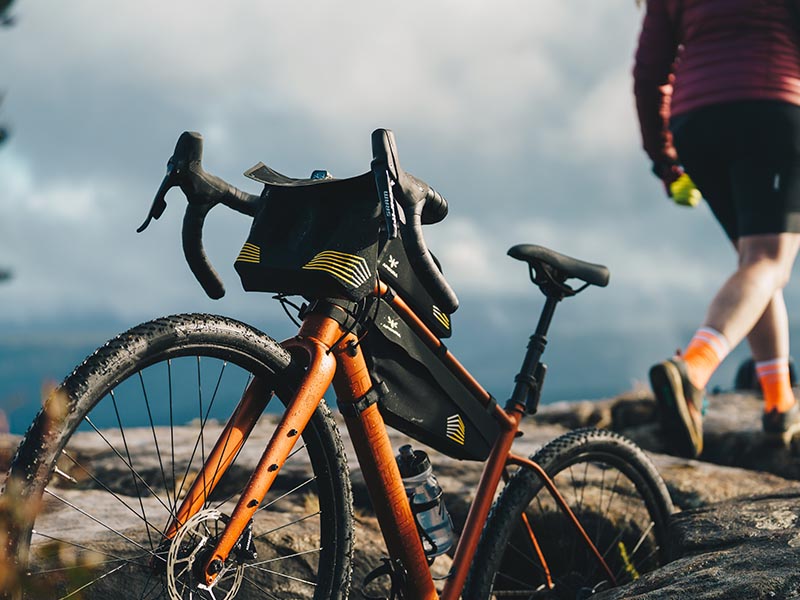
Every gravel route is different, so researching the terrain beforehand is crucial. Some gravel paths are smooth and packed, while others are loose, rocky, or filled with sand. Knowing what to expect allows you to prepare mentally and adjust your gravel bike setup accordingly.
How to do it:
- Use mapping apps like Komoot or Strava to check elevation and road conditions.
- Look for rider reviews to understand the challenges of the trail.
- Plan alternate routes in case of unexpected obstacles.
2. Practice Riding on Various Surfaces
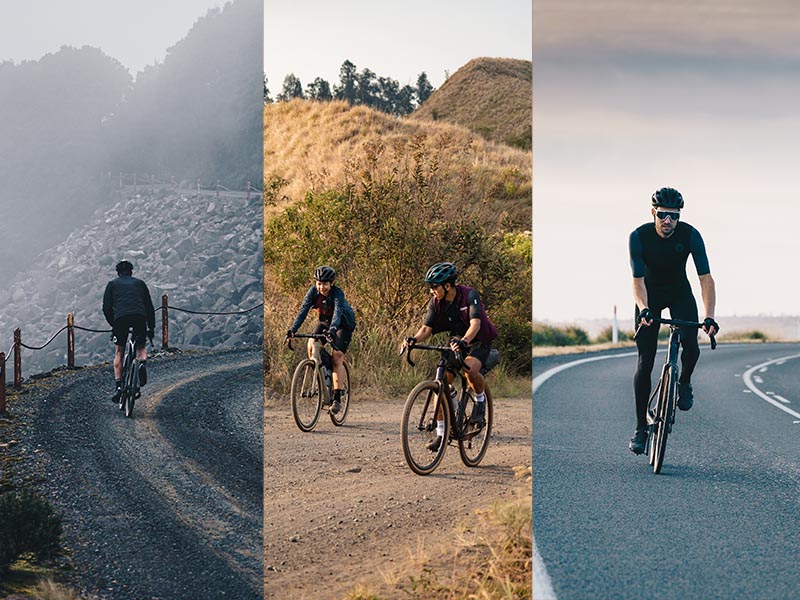
Gravel roads vary widely, so practicing on different surfaces is key to becoming a more adaptable gravel bicycle rider. The more you expose yourself to various conditions, the more natural it becomes to handle them. Riding a gravel bike on different terrains enhances your ability to anticipate bike reactions, improves balance, and refines braking and cornering skills.
How to do it:
- Ride on loose gravel, packed dirt, and muddy paths to understand traction differences.
- Experiment with varying speeds to get a feel for how your bike responds.
- Try cornering on different surfaces to improve your ability to maintain control.
- Gradually increase the difficulty by tackling steeper, rockier, or more technical trails.
- Observe how your tire pressure affects handling on each terrain type and make necessary adjustments.
The more diverse your riding practice, the more confident and prepared you'll be for any gravel bike adventure.
3. Find Your Perfect Sitting Position
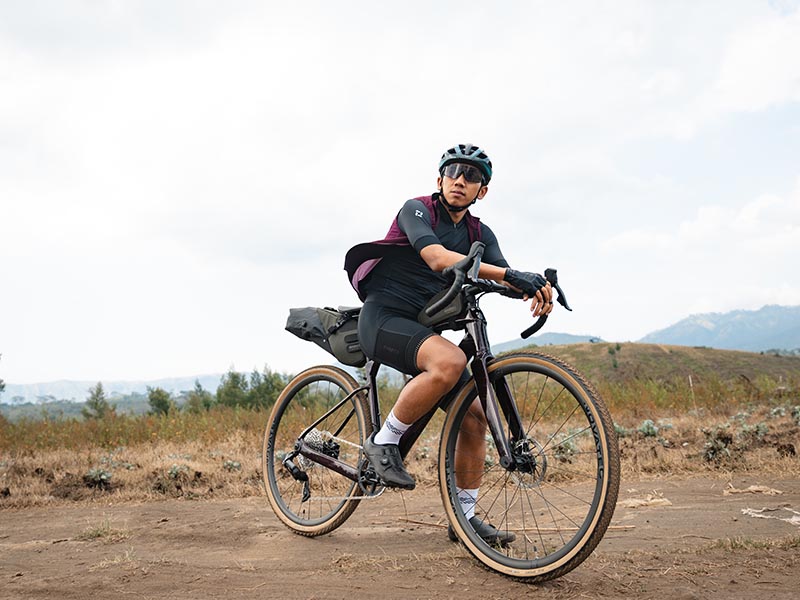
A comfortable and efficient riding position reduces fatigue and improves control. Gravel riding involves a mix of seated and standing efforts, so proper posture is essential.
Tips for finding the right position:
- Adjust your saddle height to maintain a slight knee bend at the lowest pedal position.
- Keep your upper body relaxed and elbows slightly bent for better shock absorption.
- Shift weight back slightly when descending steep or rough terrain.
4. Understand Your Tire Pressure
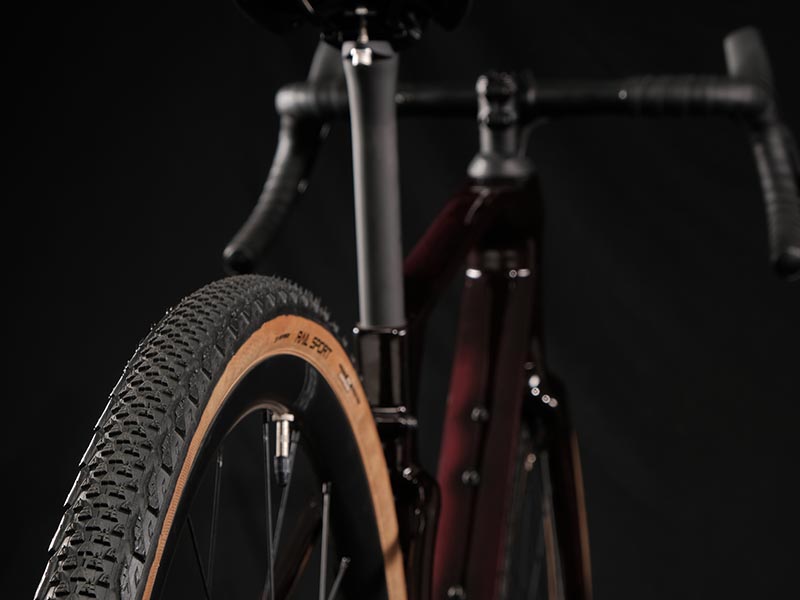
Tire pressure plays a huge role in how your gravel bike performs on different surfaces. The right gravel bike tire pressure improves grip, control, and comfort while reducing the risk of punctures.
How to determine ideal tire pressure:
- Lower pressure (30-40 PSI) for better traction on loose gravel.
- Higher pressure (40-50 PSI) for smoother, hard-packed trails.
- Always check the manufacturer’s recommended range and experiment with adjustments to suit your riding style.
5. Master Handlebar Grip When Tackling Bumps
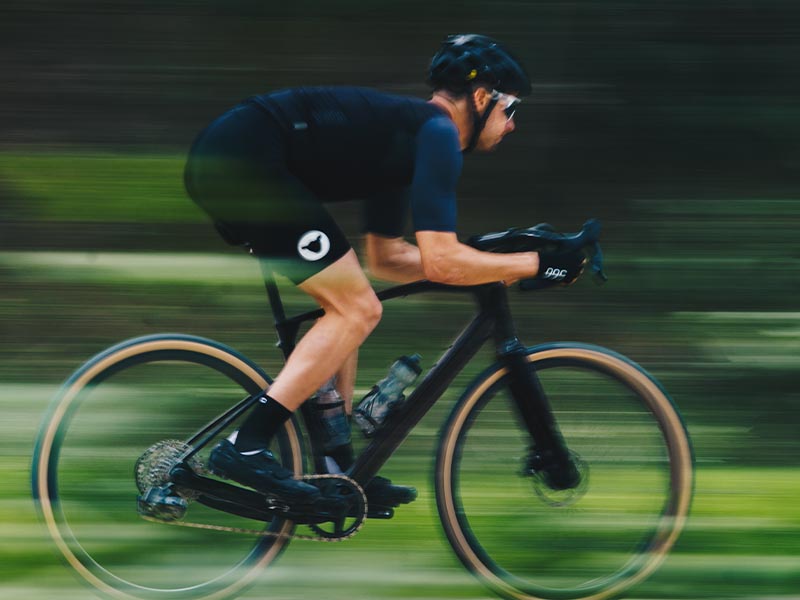
Gravel roads can be unpredictable, so knowing how to grip your handlebars correctly helps maintain control. A death grip can lead to fatigue, while a relaxed grip absorbs vibrations better.
Best practices for handlebar grip:
- Hold the bars lightly but firmly, avoiding unnecessary tension in your arms.
- Drop your elbows slightly to absorb shocks more effectively.
- Use the drops or hoods depending on the terrain – drops for control on descents, hoods for comfort on smoother sections.
6. Learn to Ride Over Obstacles
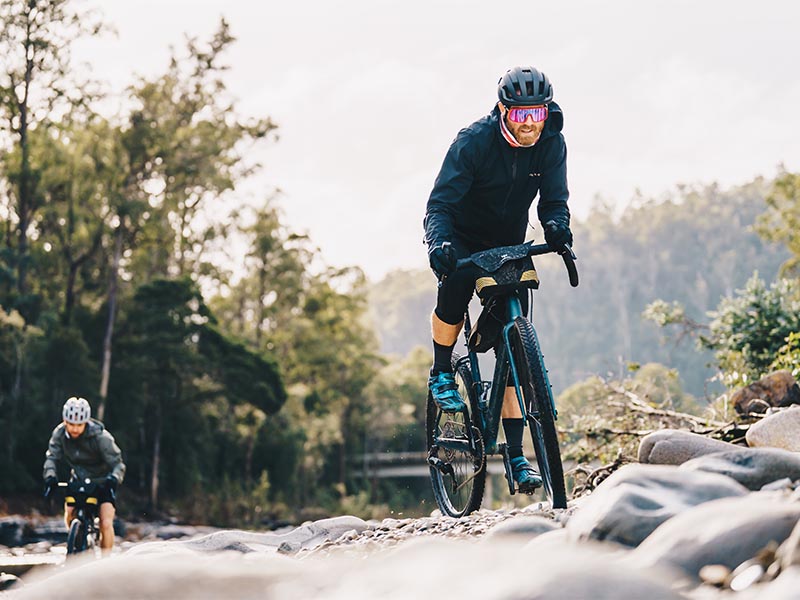
Encountering rocks, roots, or ruts is part of the gravel riding experience. Knowing how to navigate them smoothly prevents crashes and keeps your ride enjoyable.
Techniques for riding over obstacles:
- Shift your weight slightly back and lift the front wheel when approaching larger obstacles.
- Maintain a steady speed – slowing down too much can cause a loss of momentum.
- Let the bike move beneath you while keeping your body relaxed.
7. Master Riding on Sand
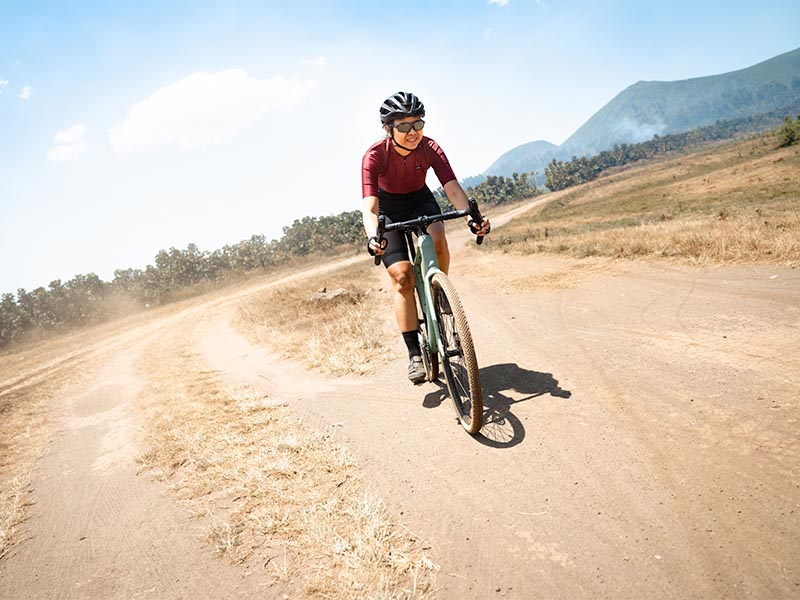
Sandy sections can be challenging, but with the right technique, you can glide through them smoothly. Unlike hard-packed gravel, sand requires a delicate balance of speed, body positioning, and gravel tire control to avoid getting stuck or losing stability.
How to ride on sand:
- Keep your speed consistent to avoid sinking; a slow pace may cause your tires to dig in, while excessive speed can make steering difficult.
- Lighten your grip on the handlebars to allow the bike to move naturally with the shifting surface.
- Shift to a lower gear and pedal smoothly to maintain traction and prevent the wheel from spinning.
- Stay seated and shift your weight slightly back to keep the front wheel light and prevent it from getting buried.
- Choose the firmest path available—look for packed tracks left by previous riders or vehicles to improve stability.
- Avoid sudden steering or braking; instead, use gentle movements to keep control without disrupting momentum.
Read also: 9 Gravel Bike Riding Tips & Techniques
Conclusion
Gravel riding is a mix of adventure, technique, and adaptability. Mastering these essential skills—researching terrain, practicing on different surfaces, fine-tuning your gravel bike setup, and learning how to handle rough terrain—will help you ride with confidence and control. By understanding tire pressure, adjusting your grip, and navigating obstacles smoothly, you’ll not only improve your efficiency but also enhance your overall riding experience.
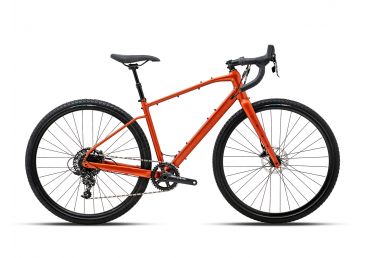
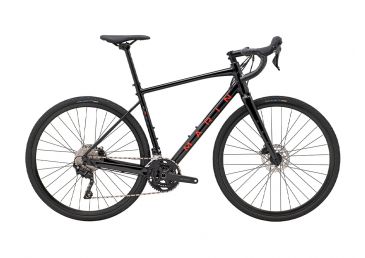
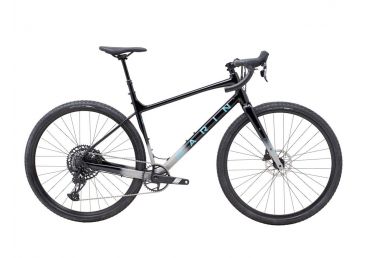
Now, it’s time to put your skills to the test! Explore Rodalink Singapore’s gravel bike collection to find the perfect ride for your next adventure. With the right gear and knowledge, you'll be ready to take on any trail with confidence.
Best pick gravel bikes for you: