We use cookies to make your experience better. To comply with the new e-Privacy directive, we need to ask for your consent to set the cookies. Learn more.














Gravel Bike Riding Tips and Techniques: Mastering Gravel Terrains
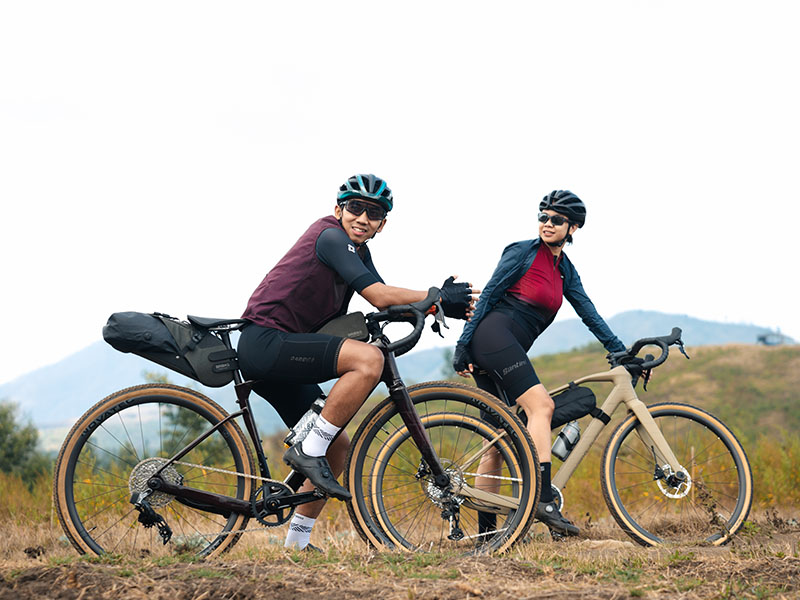
Gravel riding is an exciting and adaptable style of cycling, with challenges ranging from dirt roads to rocky ascents and muddy trails. Whether you're a beginner or aiming to enhance your skills, mastering the right techniques will allow you to ride your gravel bike more safely and efficiently across diverse terrains. Here's a guide to key tips and techniques for gravel biking in various conditions.
1. Positioning: Stay Balanced and Ready
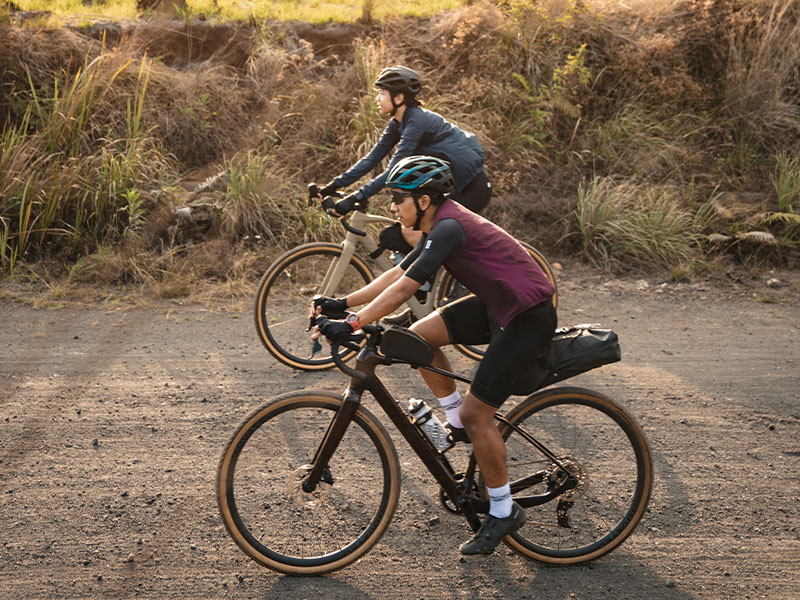
Maintaining the right body position is essential for stability and control while riding on a gravel bike. In a neutral stance, keep your body relaxed and centered over the bike. Stand slightly over the pedals with your elbows bent, distributing your weight evenly between the saddle and handlebars. This posture allows you to absorb shocks from uneven surfaces without losing balance.
For descents, adopt a more aggressive position by shifting your weight slightly back. This helps keep the front wheel light and prevents you from being thrown forward when navigating downhill.
During climbs, move your weight forward while staying seated to maintain traction on the rear wheel. A steady cadence and consistent power are key to handling steep or technical uphill sections effectively.
2. Handling Rocky Climbs
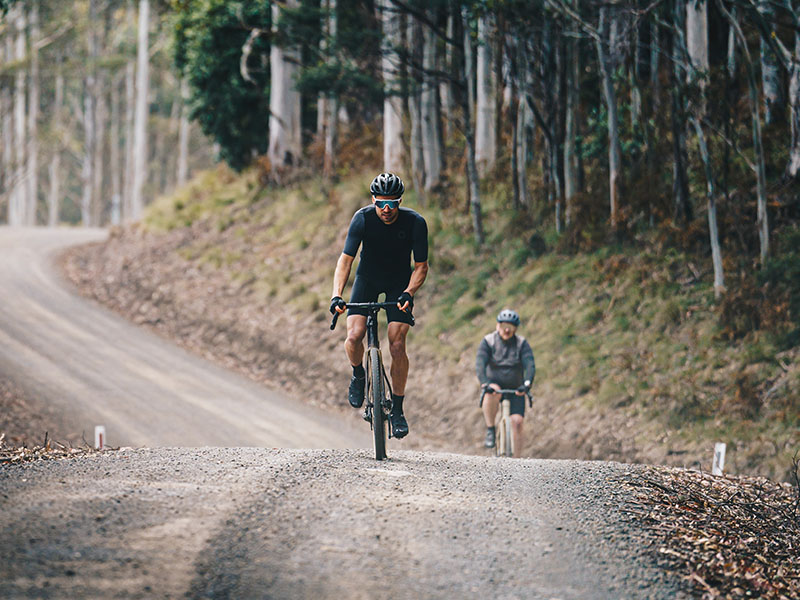
Navigating rocky terrains requires control and patience. Here's how to handle them. First, pick your line carefully by focusing on the smoothest path through the rocks, usually between or beside larger obstacles. Looking ahead allows you to plan your route and avoid potential hazards.
It's important to stay seated and keep your weight centered. Standing can reduce rear-wheel traction on uneven surfaces, so maintaining a seated position helps you keep control. Use steady pedal strokes and a low gear to maintain momentum over the rocks.
Finally, pedal smoothly to avoid sudden movements that could cause a loss of traction. Keeping a consistent cadence in a low gear helps you stay balanced and in control on rough, rocky terrain.
3. Descending Steep Gravel Paths
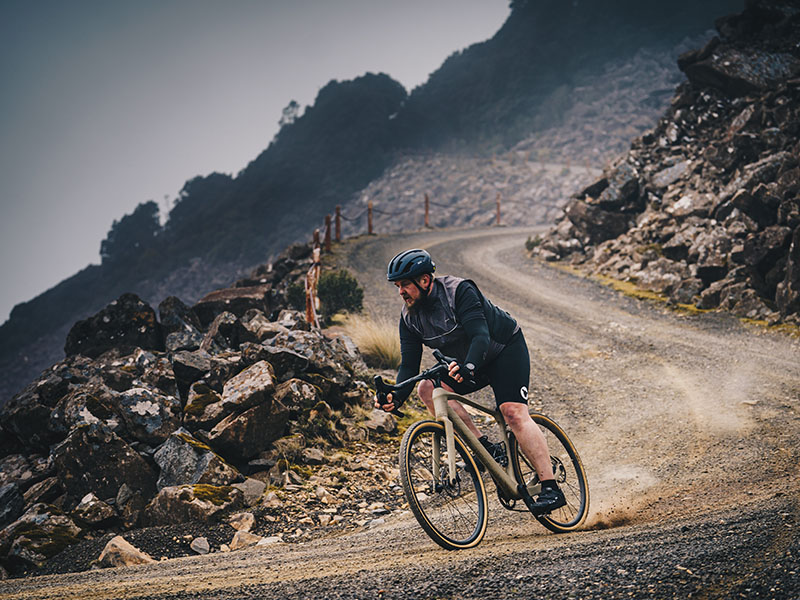
Descending steep gravel slopes can be challenging, but using the right technique will help you stay in control. Here are a few things you should pay attention to. For braking control, apply both brakes evenly, but prioritize feathering the rear brake to prevent skidding. Gravel descents can be slippery, and sudden braking might cause your tires to lose grip.
In terms of body position, shift your weight slightly back, bend your elbows, and keep your eyes focused ahead to spot any upcoming turns or obstacles. This helps maintain balance and traction.
Additionally, let the bike move beneath you by keeping a light grip on the handlebars. Allowing the bike to flow over the terrain reduces the risk of losing control and helps the tires navigate the uneven surface more smoothly.
4. Navigating Muddy Paths
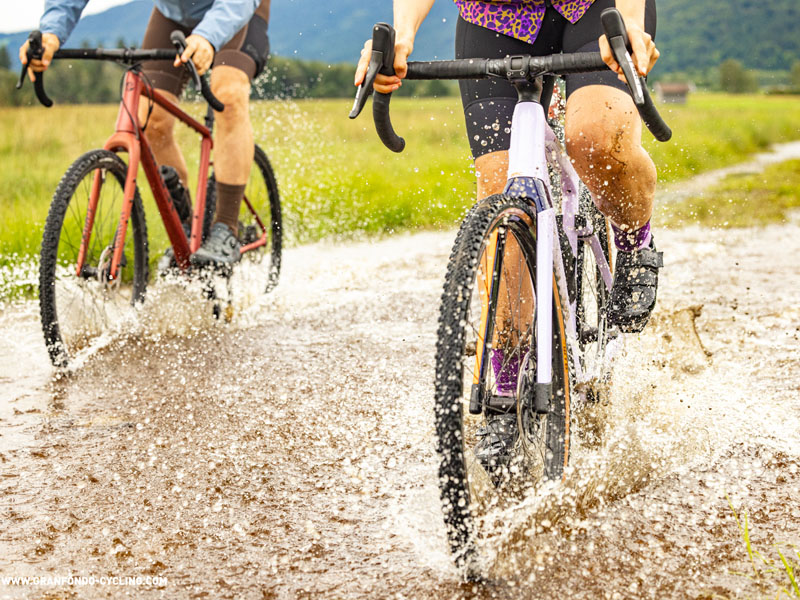
Mud introduces unique challenges, from reduced traction to getting stuck in deep sections.
- Opt for Wider Tires: When expecting muddy conditions, use wider tires with lower pressure (around 30-40 PSI) to enhance grip and prevent sinking. Tires with wider treads clear mud more efficiently.
- Smooth Pedaling: Maintain a steady pedaling cadence to avoid spinning out. Sudden bursts of power can cause your tires to lose traction in mud.
- Balance Your Weight: Distribute your weight evenly between the front and rear of the bike to prevent slipping. In very muddy conditions, shift your weight slightly back to keep the front wheel lighter and avoid sinking.
- Steer Clear of Deep Ruts: Avoid deep mud ruts whenever possible. If you must ride through them, reduce your speed and keep your front wheel straight to prevent sliding.
5. Cornering on Gravel
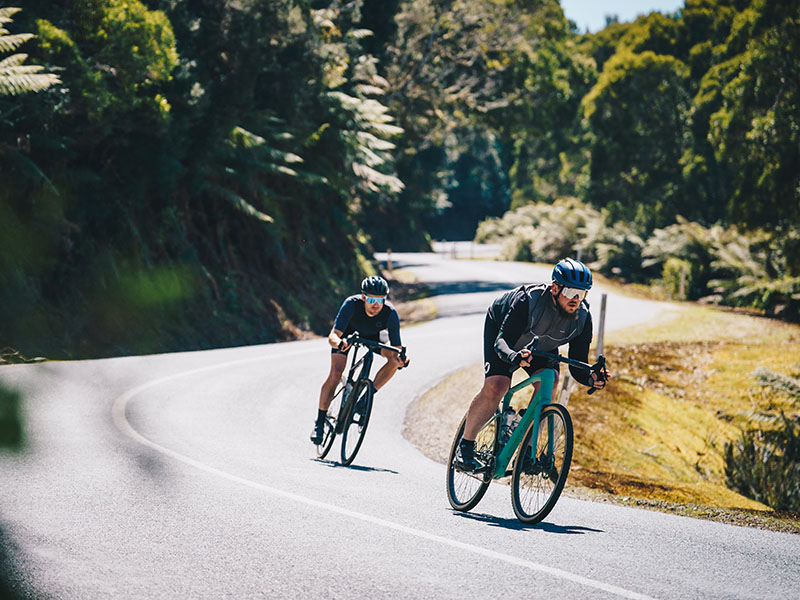
Navigating gravel corners can be tricky due to their loose and unpredictable nature, requiring extra caution.
- Brake Early: Slow down before entering a turn and complete your braking beforehand. Braking while in a corner on loose gravel can easily result in a skid.
- Look Through the Corner: Your bike will tend to follow your line of sight, so always look ahead as you approach the turn. This practice will help you maintain control and create smoother lines.
- Lean the Bike, Not Your Body: Unlike in road cycling, keep your body upright while leaning the gravel bike into the corner. This technique helps maintain traction and reduces the risk of sliding out.
6. Gear Selection for Gravel Riding
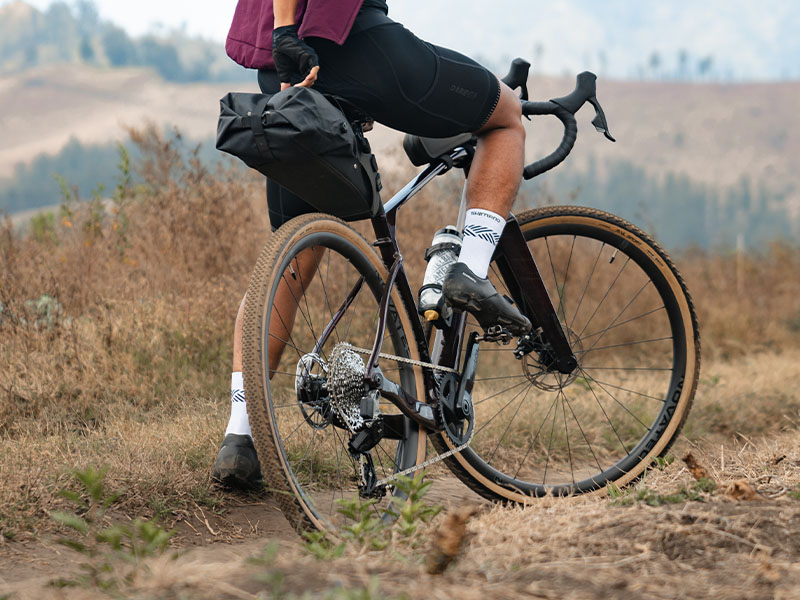
Proper gear use is essential for maintaining momentum and controlling your bike across gravel terrains.
- Use Lower Gears on Climbs: Shifting to a lower gear when approaching a climb will help maintain a steady cadence and prevent tire spin, which is common on loose gravel.
- Higher Gears for Descents: On descents, you can shift into a higher gear to maintain speed while keeping your pedaling smooth.
- Adapt to Terrain Changes: Gravel terrain can vary frequently, so be ready to shift gears as needed. Smooth-shifting is essential to avoid loss of speed or momentum when tackling mixed surfaces like dirt, rocks, and grass.
7. Tire Pressure: Fine-Tuning for Gravel
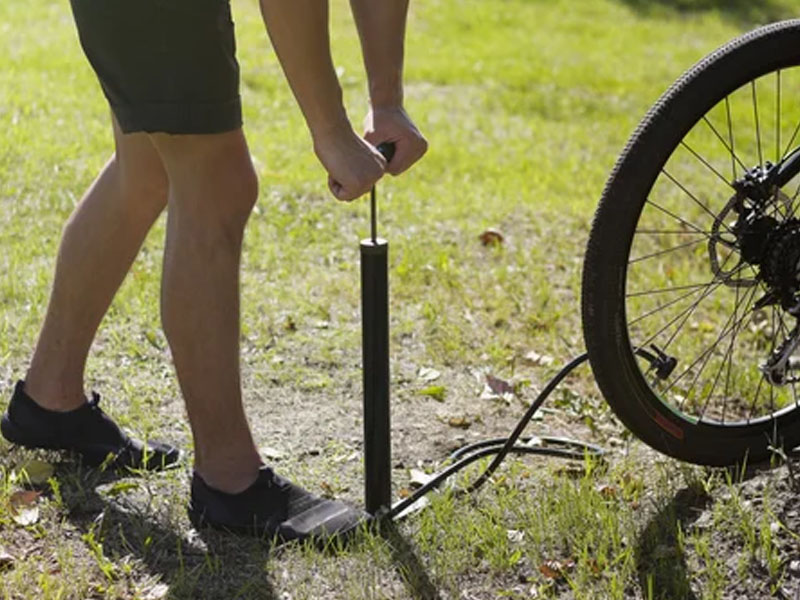
Tire pressure plays a critical role in gravel riding, impacting traction, comfort, and speed.
- Lower Pressure for Better Traction: Lower tire pressure, typically around 30-50 PSI depending on the tire width, provides better grip on loose gravel and uneven surfaces by allowing the tire to conform to the ground.
- Avoid Pinch Flats: Be careful not to lower tire pressure too much, as it can increase the risk of pinch flats when riding over sharp rocks or roots. Experiment to find the ideal balance between comfort and performance.
- Wider Tires for More Stability: Wider tires (35mm and above) give you more control and stability on rough terrains. If you plan on riding technical gravel paths, consider using wider tires for extra confidence.
8. Riding in Wet Conditions
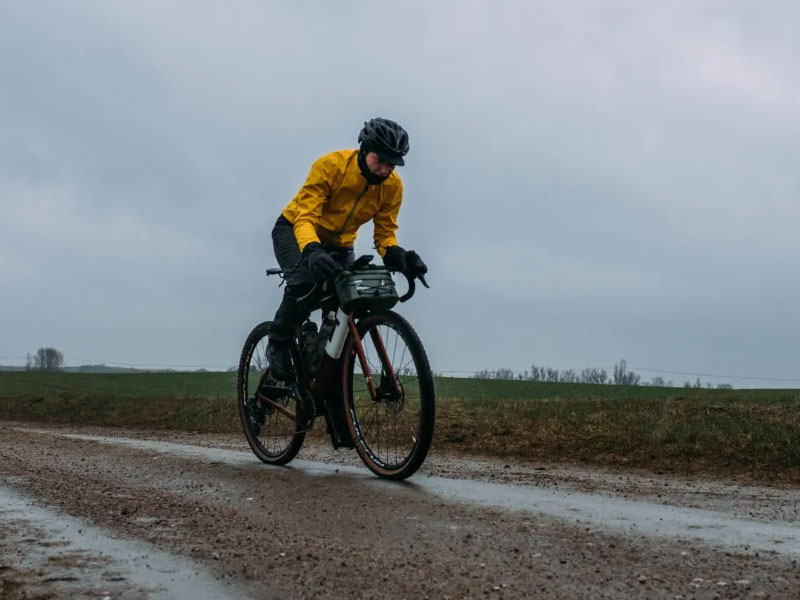
Gravel riding in wet conditions can add an extra layer of difficulty due to slippery surfaces.
- Use Fenders: If you expect rain or wet conditions, use bike fenders to prevent mud and water from splashing up onto you.
- Brake Earlier: Wet gravel reduces traction, so brake earlier than usual and use controlled, light pressure on both the front and rear brakes to prevent skidding.
- Keep Pedaling: Maintaining a steady pedal stroke in wet conditions helps keep momentum. Avoid sudden movements that could cause your bike to lose grip.
9. Stay Relaxed and Stay Safe
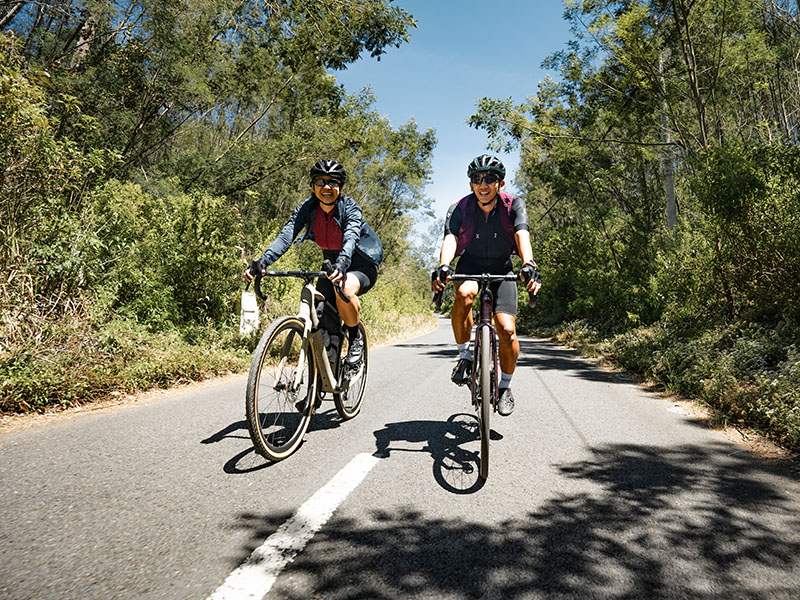
Confidence and relaxation are key to successfully riding a gravel bike. Tension can lead to poor handling and increased risk of falling.
- Stay Loose on the Bike: Keep your upper body relaxed and loose, allowing the bike to move underneath you as it rolls over uneven terrain.
- Ride Within Your Limits: Know your limits, especially when it comes to technical descents or tough climbs. It's better to take it slow and safe than to risk injury by pushing too hard.
Conclusion
Gravel biking offers a thrilling and challenging experience, but it requires adapting to diverse surfaces and conditions. By mastering key techniques, including body positioning, gear selection, and terrain handling, you’ll not only improve your riding efficiency but also enhance your confidence and enjoyment on gravel paths. Stay mindful of the terrain, practice these techniques regularly, and you’ll be ready to tackle any gravel adventure with ease!
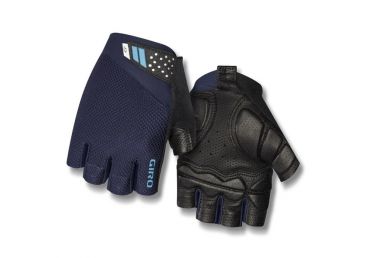
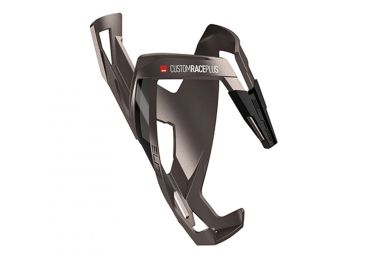
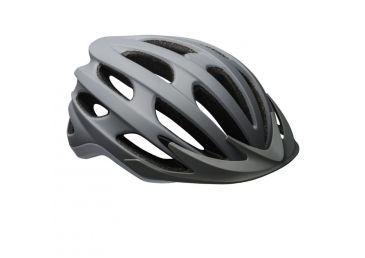
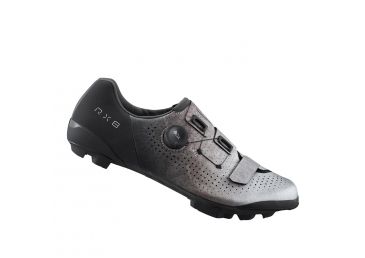
Gear up your gravel riding with our best accessories. Discover gravel biking equipment such as gravel bike helmets, gloves, and shoes. Don’t forget to stay hydrated throughout your adventure by always taking your bike bottle and securing it using a bottle cage. Find all these gravel biking equipment only at Rodalink Singapore!
Gravel Biking Equipment:
-
 Shimano SH-RX801 Wide Fit Gravel Racing Bike ShoesSpecial Price $195.30 - Special Price $279.00-30%$279.00