We use cookies to make your experience better. To comply with the new e-Privacy directive, we need to ask for your consent to set the cookies. Learn more.











What Happens If You Fall Off a Bike Without a Helmet?
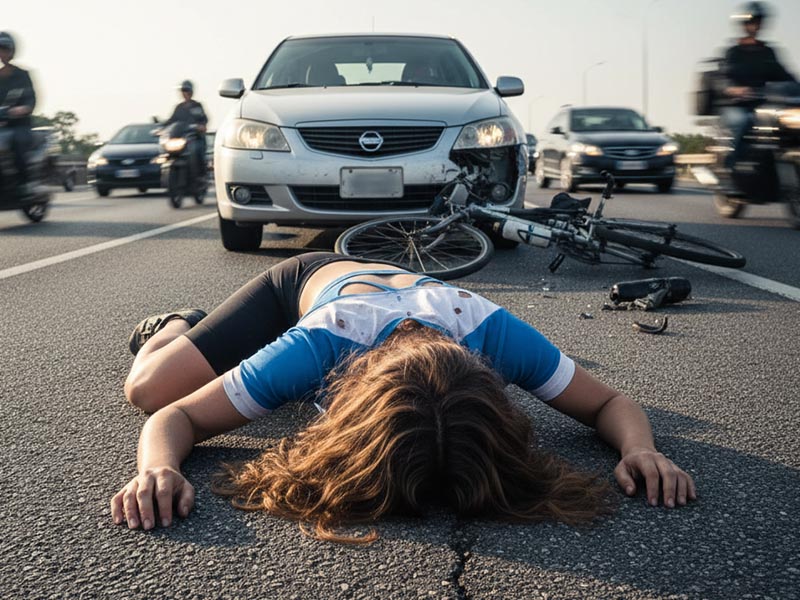
December 11, 2025 - If you fall off a bike without wearing a helmet, the risk of serious injury rises far more than most people realise. It only takes a split second, a slipped tyre on wet pavement, a sudden brake in front, or a wheel catching a curb.
You hit the ground before you even process what’s happening. The scrape on your elbow hurts, but the impact on your head is the real worry.
In that moment, your skull is taking forces it was never built to absorb. And often, the difference between a shaken rider and an emergency-room visit comes down to one thing: a bike helmet.
What Instantly Happens When You Fall Off a Bike Without a Helmet?
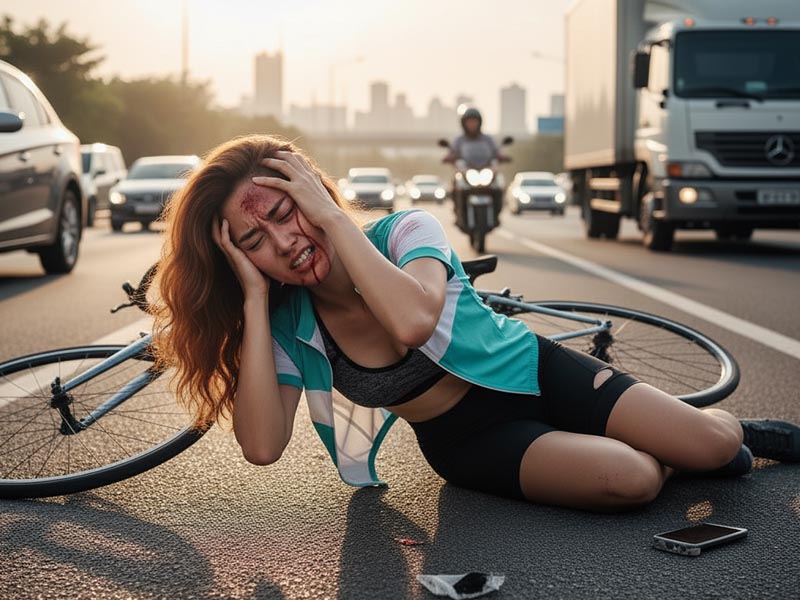
A fall happens fast, usually faster than your body can react. The moment the tyres lose grip or the handlebars jerk unexpectedly, your centre of balance shifts, and gravity does the rest.
Most riders try to break the fall with their arms, but your upper body rarely absorbs the full impact. Your head often follows through, hitting the ground, kerb, or any hard surface in the way.
1. Your Head Takes the First and Hardest Impact
In most cycling accidents, the head is either the first or second point of contact. Without a bike helmet, the force transfers directly to your skull. This is where serious injuries can happen instantly:
- A concussion your brain shakes violently inside the skull
- Skull fractures from direct impact with hard surfaces
- Traumatic brain injury (TBI) from sudden deceleration
- Internal bleeding occurs when blood vessels tear on impact
Even at slow speeds, the head simply isn’t built to absorb shock. A cycle helmet is designed to take the blow for you; without it, your skull absorbs everything.
2. Your Face Is Fully Exposed
If the fall sends you forward, your face becomes the next vulnerable point. Without a bicycle helmet, there’s nothing to soften the landing, leading to:
- Fractured cheekbone or nose
- Cuts and abrasions from sliding
- Chipped or broken teeth
- Deep bruising around the jaw
Full-face cycle helmets offer even more coverage for MTB or BMX riders, but even a standard bicycle helmet Singapore cyclists use daily, helps reduce rotational forces that worsen facial injuries.
3. The Impact Can Trigger Instant After-Effects
Not all injuries show up immediately. Some reactions start within seconds, others within minutes:
- Blurry or double vision
- Ringing in the ears
- Dizziness
- Disorientation
- Nausea
These symptoms are warning signs of head trauma. Without a bike helmet Singapore riders are encouraged to wear one; even a “minor” fall can quickly escalate.
4. Higher Risk of Long-Term Complications
A direct hit to the head can set off a chain reaction inside the brain. This is why unhelmeted falls often lead to long-term effects such as:
- Constant headaches
- Difficulty concentrating
- Light or sound sensitivity
- Mood swings
- Persistent fatigue
- Post-concussion syndrome
These complications can last weeks, months, or even longer, depending on the severity of the impact.
5. Recovery Becomes Slower and More Complicated
Without a helmet, riders typically face:
- Emergency room checks
- CT or MRI scans
- Stitches
- Strict rest for days or weeks
- Activity restrictions
With a cycle helmet, the same fall often results in scratches or mild bruising. The difference in outcome can be dramatic.
6. Even Low-Speed Scenarios Can Cause Serious Injury
Many riders assume only high-speed crashes are dangerous, but real-world data shows otherwise. Serious head injuries often happen during:
- Sudden stops or emergency braking
- Sliding on wet or painted road surfaces
- Dooring incidents in Singapore’s urban corridors
- Losing balance on uneven paths
- Clipping a wheel during group rides
In all these cases, the danger doesn’t come from speed, but it comes from the angle and force of impact. A cycle helmet dramatically reduces the energy transferred to your skull in these split-second situations.
How a Fall Causes Damage, and How a Helmet Changes the Outcome?

When a rider hits the ground without a bike helmet, the real danger isn’t just the fall itself; it’s the sudden deceleration. Your brain floats in fluid inside the skull, and when your head stops abruptly, the brain keeps moving for a split second. That’s where the damage begins.
A direct hit can make the brain slam against the inside of the skull. That impact creates bruising, internal bleeding, or swelling.
Even at slow speeds like rolling through a park connector, filtering through city traffic, or navigating a quiet Singapore neighbourhood, forces from the fall can exceed what the skull can handle on its own.
The surface you land on also matters. Tarmac, kerbs, metal drain covers, or even a vehicle door that suddenly opens can turn an ordinary fall into a severe head injury.
And because your face is completely exposed without protection, the nose, jaw, cheekbones, and teeth take the brunt of the hit as well. The result can be cuts, fractures, deep abrasions, or long-term facial pain.
How a Helmet Helps?
A cycle helmet is designed to slow down the force of the impact on your head. Instead of your skull absorbing the full impact, the helmet shell spreads the energy while the inner foam compresses. This reduces the speed at which your brain shakes inside your skull, dramatically lowering the severity of the injury.
Modern bicycle helmets go even further with technologies like MIPS or rotation-damping systems.
These help reduce the twisting motion that often causes concussions. And in Singapore’s humid conditions, well-designed ventilation keeps heat under control, making it much more comfortable to ride protected.
Simply put: a bicycle helmet doesn’t stop the fall, but it helps your head survive it.
Why Bike Helmets Are Mandatory?
In many cities—including Singapore—wearing a helmet on a bicycle isn’t just encouraged, it’s required. This isn’t for the sake of regulation; it’s based on years of evidence showing how many injuries could have been prevented with basic head protection.
Busy junctions, shared paths, sudden braking, dooring accidents, and wet roads all increase the chance of a fall. A bike helmet Singapore riders choose should always provide solid impact protection and meet proper safety standards.
The purpose of this rule is simple: to prevent serious, life-altering injuries that can be avoided. If you’re planning to buy a bike helmet Singapore, check out our article “Guidelines in Choosing Bike Helmets” for helpful insights before you decide.
Looking for quick, practical options instead? Visit this page to explore the best bike helmets we’ve curated to match your needs.
Conclusion
A fall happens in seconds, but recovery can take months. A good helmet turns a potentially serious accident into something you can walk away from.
Whether you’re commuting along the Park Connector Network, riding with friends around Marina Bay, or exploring new routes on weekends, a proper helmet Singapore riders can trust is one of the simplest forms of protection you can invest in.
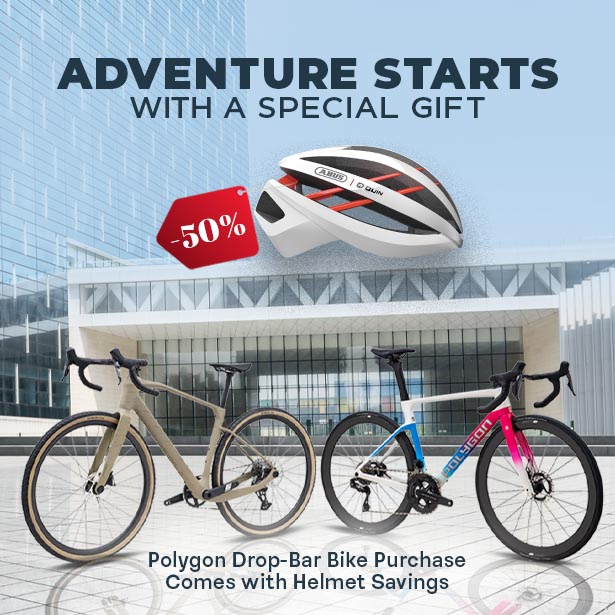
If you’re ready to upgrade or replace your bike helmet, explore Rodalink Singapore’s full collection of cycle helmets and accessories.
Enjoy practical benefits like free delivery, redeemable points through Rodalink Rewards, and constantly updated promos on essential gear. It’s easier—and safer—to ride when your head is protected by a reliable bicycle helmet Singapore cyclists actually recommend.
Read also: