Toggle Nav 



Riding into 2025: Your Guide to Training for Your First Road Bike Race
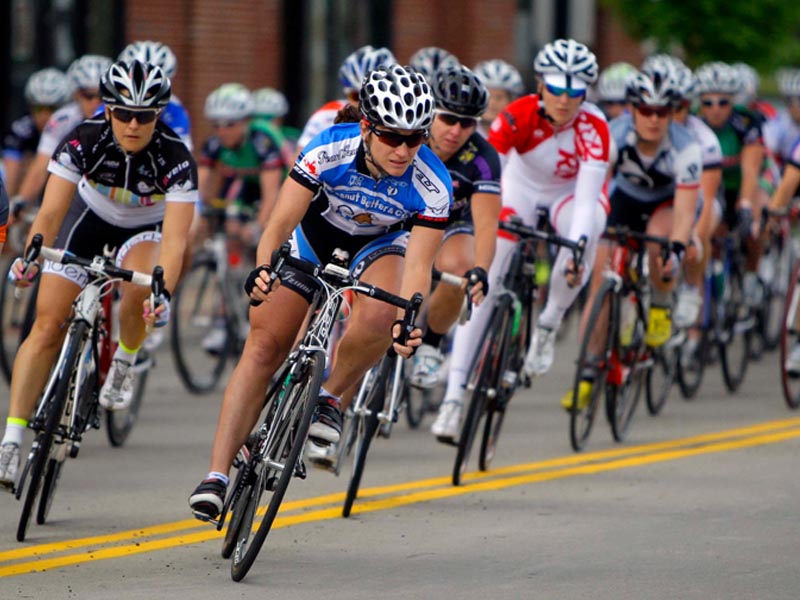
Inspired by the electrifying atmosphere of TDF Singapore 2024, are you ready to take your cycling passion to the next level? If you're eyeing your first road bike race, this comprehensive training guide will equip you with the knowledge and strategies to excel.
First thing first, don't forget to grab the best road bike at Rodalink Singapore! Psstt, let’s continue the training guides.
1. Physical Preparation: Building a Strong Foundation
Physical preparation is the cornerstone of success in your first road bike race. It lays the foundation for your performance, ensuring you're physically equipped to handle the demands of the race.
Rodalink Singapore breaks physical preparation into 2 stages of preparation, dive into it!
Base Building
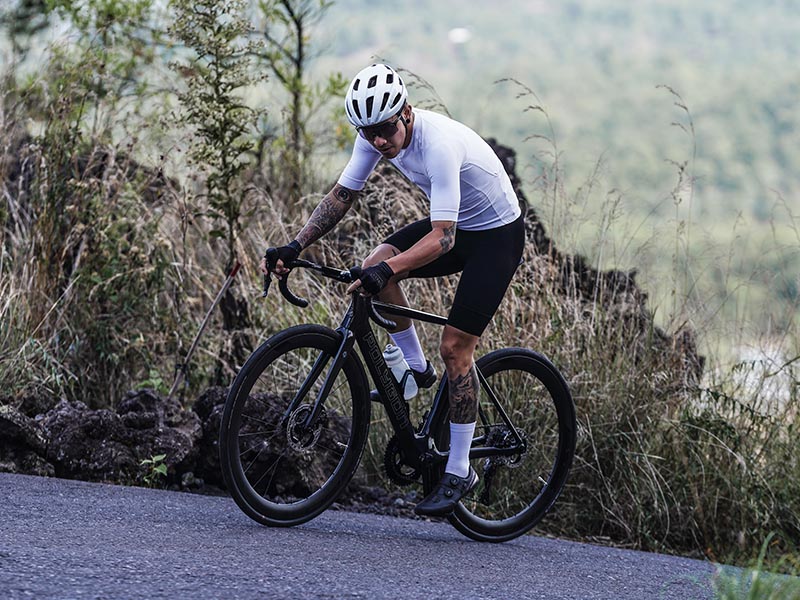
Base building is the foundation of a successful road bike race training plan. It involves a series of structured workouts designed to improve your overall fitness and prepare your body for the demands of racing. Here's why it's crucial:
- Endurance Rides: Start with longer, slower rides to build stamina and endurance. Gradually increase the duration and distance of these rides. It offers numerous benefits for cyclists. By consistently pushing your limits on longer, steady-state rides, you can significantly enhance your aerobic capacity.
This increased efficiency in oxygen utilization translates to reduced fatigue and improved endurance. Additionally, these rides foster mental toughness, allowing you to develop the resilience needed to overcome challenges and maintain focus during extended periods of exertion.
- Hill Repeats: Incorporate hill climbs into your training to strengthen your legs and improve your climbing ability. Hill repeats are a powerful tool for boosting strength, power, and lactate threshold.
By repeatedly climbing hills, you'll strengthen your legs, core, and cardiovascular system. This increased power output will enable you to maintain higher intensities for longer periods.
Additionally, hill repeats challenge your body's ability to tolerate lactic acid buildup, leading to a higher lactate threshold.
Very helpful during intense physical activity, when oxygen supply is limited, lactic acid is produced in muscles as a byproduct of anaerobic metabolism. It provides a quick energy source for muscle contraction.
- Interval Training: Alternate high-intensity bursts with recovery periods to improve your speed and power.
Interval training is a highly effective method for improving power output and recovery. By alternating between high-intensity bursts of effort and periods of rest, you can significantly boost your anaerobic capacity.
This increased power output translates to explosive sprints and surges. Additionally, the recovery periods between intervals train your body to recover more quickly, enabling you to sustain a higher level of performance for longer durations.
By incorporating these base-building workouts into your training plan, you'll be better prepared to handle the physical and mental challenges of your first road bike race.
Race-Specific Training
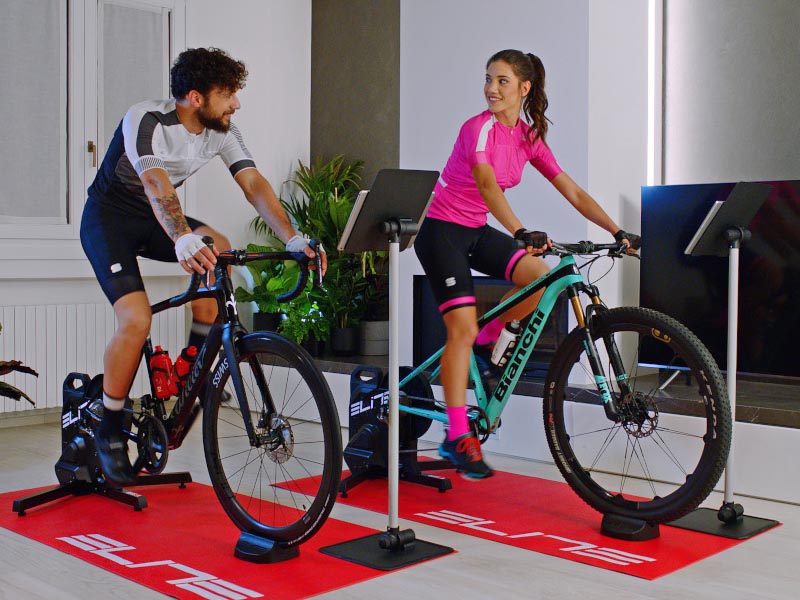
To elevate your performance in road bike races, incorporate race-specific training into your routine. By simulating the demands of a race, you can fine-tune your skills and strategies. This specialized training helps you develop the necessary tactics, pacing, and mental focus to excel in competitive cycling.
- Group rides offer a unique opportunity to enhance your cycling skills and experience. By participating in group rides, you'll develop essential pack riding skills, including proper positioning, drafting effectively, and avoiding potential hazards.
You'll also gain valuable insights into race tactics, such as attacking, counter-attacking, and working collaboratively within a team. Moreover, group rides provide a challenging environment that fosters mental toughness, helping you build resilience and the ability to perform under pressure.
Join group rides to practice riding in a pack, learn race tactics, and improve your bike-handling skills.
- Simulated Races offer a valuable opportunity to replicate the intense environment of a real race. By immersing yourself in these simulated conditions, you can experience the adrenaline, stress, and rapid decision-making that characterizes competitive cycling.
Additionally, simulated races provide a platform to experiment with different pacing strategies, ensuring you find the optimal approach for your individual needs.
Moreover, these events allow you to fine-tune your nutrition and hydration plans, ensuring optimal performance throughout the race.
Finally, simulated races often feature challenging courses with technical sections, providing an excellent opportunity to hone your bike-handling skills and prepare for the rigors of competition. Organize or participate in local races or time trials to experience the competitive atmosphere and test your fitness.
By incorporating group rides and simulated races into your training, you'll be better prepared to handle the physical and mental demands of your first road bike race. You'll develop the skills and confidence needed to perform at your best.
2. Mental Strategies: A Mind-Body Connection
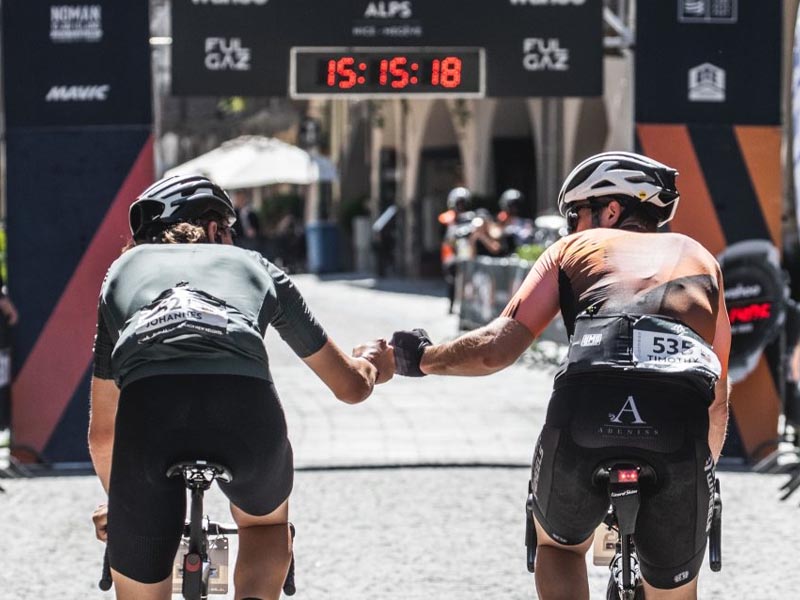
While physical fitness is crucial for a successful road bike race, mental preparation is equally important. A strong mind can significantly impact your performance, helping you overcome challenges and achieve your goals. Here's why mental strategies matter:
- Positive Mindset: A positive mindset can boost your motivation, confidence, and overall performance. Visualizing success and focusing on your strengths can help you stay positive, even during difficult moments.
- Stress Management: Cycling races can be stressful, but effective stress management techniques like meditation and deep breathing can help you stay calm and focused.
- Pain Tolerance: Mental strategies can help you manage pain and discomfort, allowing you to push your limits and maintain a high level of effort.
- Decision-Making: Quick and effective decision-making is essential in a race. A clear mind can help you make smart choices, such as when to attack, when to conserve energy, and how to respond to other riders' moves.
- Focus and Concentration: The ability to stay focused and concentrate on the task at hand is crucial for success. Mental training can help you improve your attention span and reduce distractions.
By incorporating mental strategies into your training, you can enhance your overall performance and enjoy a more fulfilling racing experience. Remember, a strong mind can overcome any physical challenge.
3. Nutrition: Fueling Your Performance
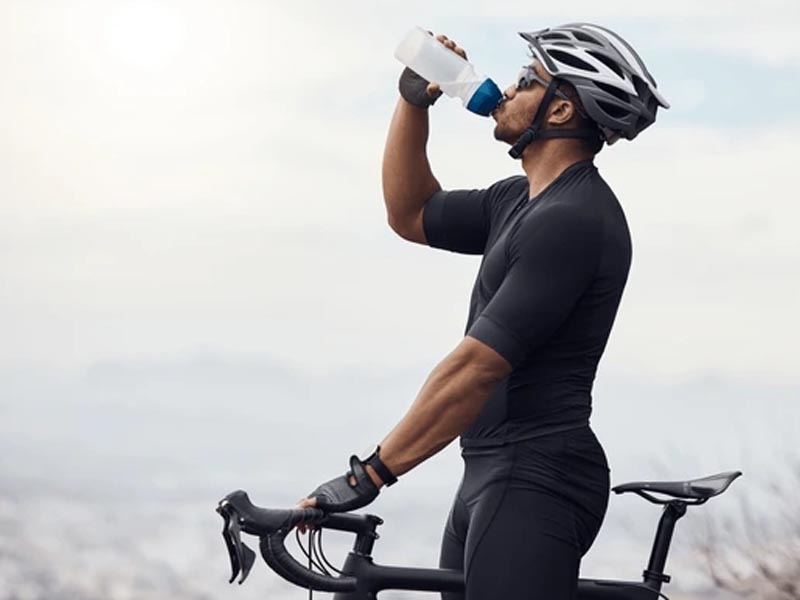
Proper nutrition is a cornerstone of successful athletic performance, and cycling is no exception. A well-balanced diet can significantly impact your energy levels, recovery time, and overall performance on the bike. Here's why:
Pre-Race Nutrition
- Fueling Your Body: A well-timed pre-race meal provides the energy your body needs to perform optimally.
- Avoiding Digestive Distress: Consuming easily digestible foods can prevent gastrointestinal issues during the race.
On-the-Bike Nutrition
- Maintaining Energy Levels: Consuming carbohydrates during long rides or races helps maintain blood sugar levels and prevents "bonking" or hitting the wall.
- Hydration: Staying hydrated is essential for optimal performance. Dehydration can lead to fatigue, cramping, and decreased cognitive function.
Post-Race Nutrition
- Muscle Recovery: Consuming a balanced meal with carbohydrates and protein after a race aids in muscle repair and glycogen replenishment.
- Reducing Inflammation: Certain nutrients, such as antioxidants, can help reduce inflammation and accelerate recovery.
Key Nutritional Considerations for Cyclists:
- Carbohydrates: The primary energy source for cycling.
- Protein: Essential for muscle repair and growth.
- Hydration: Water is crucial, but electrolyte-rich drinks can be beneficial during intense exercise.
- Micronutrients: Vitamins and minerals support overall health and performance.
By paying attention to your nutritional needs, you can maximize your potential as a cyclist. A well-nourished body is a powerful tool for achieving your goals.
4. Last but Not Least: Remember to Listen to Yourself!
Prioritize Your Well-being
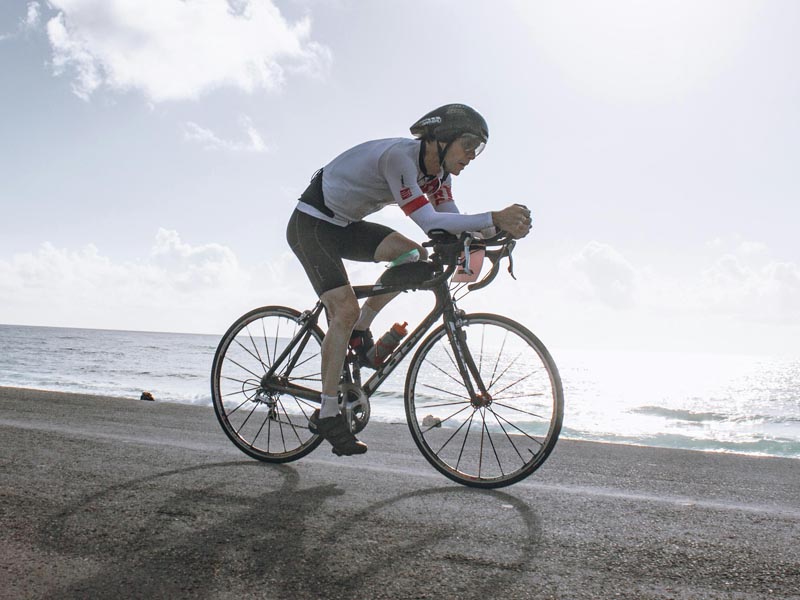
As you embark on your cycling journey, remember to prioritize your well-being. Avoid overtraining by listening to your body and taking rest days when needed. Consulting with a cycling coach or sports nutritionist can provide personalized guidance to optimize your training and recovery.
Embrace the Journey
Most importantly, enjoy the process. Celebrate your achievements, no matter how small, and use them as motivation to keep pushing forward. By staying patient and persistent, you'll continue to improve and reach new heights in your cycling endeavors.
With dedication, perseverance, and a well-structured training plan, you can confidently tackle your first road bike race and achieve your cycling goals. So, gear up, hit the road, and ride your way to victory!
Equip your Training Phase with These Gears:
- Bellwether Flight JerseySGD 79.00-50%Special Price SGD 39.50



Please complete your information below to login.
Sign In
Create New Account