Toggle Nav 



New Cycling Trend 2026: Here’s What to Expect in the Next Era of Riding
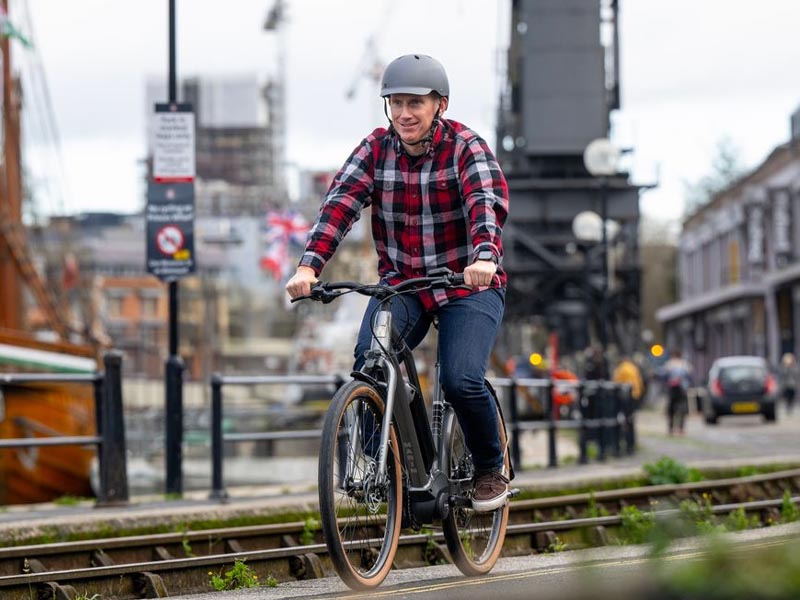
December 23, 2025 - Cycling has been on a steady rise throughout 2024 and 2025, but all signs suggest that 2026 will be the most transformative year yet. Between smarter tech, evolving rider habits, and governments expanding infrastructure, the next year is shaping up to redefine how people use a bike, not just for sport, but for daily life.
Globally, cycling brands are pushing the boundaries of performance and innovation. Locally, cities like Singapore are rapidly building more bike-friendly routes, better connectivity to MRT stations, and more amenities for commuters. Combine both shifts, and a very clear pattern emerges: the cycling trend 2026 will be bigger, smarter, and more urban than ever.
Let’s break down what to expect in 2026!
1. Electronic Gear Will Dominate the Market
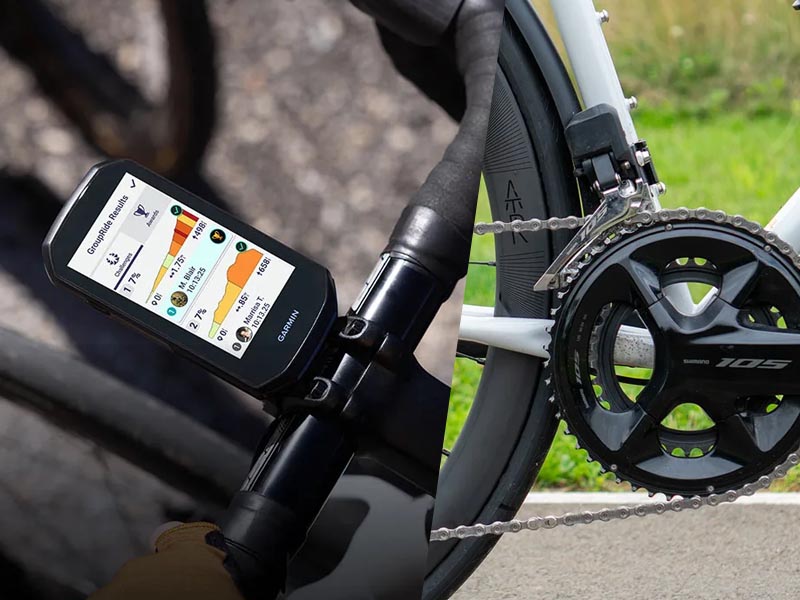
If 2024 and 2025 were the years when electronic components became “common,” then 2026 is when they become the default. Cyclists are becoming more data-driven, and brands have responded. Expect to see electronic systems becoming almost standard across mid-range and high-end builds:
Electronic Shifting Everywhere
Wireless shifting has already made mechanical groupsets feel outdated for many riders. By 2026, wireless systems will likely dominate, even on more affordable road bicycle and city bike builds. Riders want consistency, zero-maintenance shifting, and better battery life, and brands know this.
Smarter GPS Cycling Computers
Cycling computers are getting lighter, faster, and far more integrated. Expect features like:
- Real-time climb pacing
- Advanced navigation
- AI-powered performance insights
- Seamless sensor pairing
The typical cyclist in 2026 will rely heavily on this tech for both training and commuting.
More Accurate Heart-Rate & Power Monitoring
Wearables, smartwatches, chest straps, and even smart rings are improving rapidly. Training without data will feel like riding with half the picture missing. Whether someone rides a road bike, a folding bike, or even an e-bike, data tracking will be part of the everyday experience.
Electric Assist Integration (Even for Non-E-Bikes)
Brands are experimenting with minimal assist systems that don’t look like traditional e-bike setups. These "micro-assist" concepts may enter mainstream conversations by late 2026.
2. Might Be the Year of the Climbing Bike/Road Bike
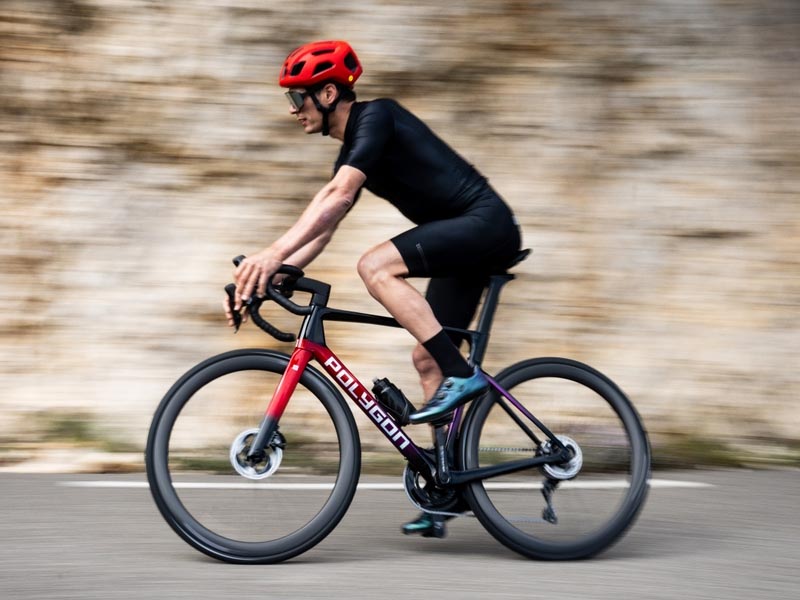
The global cycling scene is shifting from aero-obsession to all-round capability, and climbing bikes are making a strong comeback. Why? Because riders now want a road bike that feels light, climbs well, and still offers aero benefits without sacrificing comfort.
What to expect in 2026:
- Lighter frames are becoming even lighter: Manufacturers continue to push carbon technology, creating frames that balance stiffness, comfort, and weight.
- Geometry that suits everyday riders: Not every cyclist needs an aggressive race position. 2026 climbing bikes will offer performance without forcing riders into overly low positions.
- Wider tire clearance is becoming the norm: 28–32 mm tires will be standard. Even climbing-focused riders want compliance and stability.
- UCI regulations pushing innovation: Now that UCI allows more freedom in tube shapes, brands will experiment with designs that blend aero efficiency with climbing performance.
For many cyclists, 2026 might be the perfect year to upgrade to a lightweight road bike designed for both weekday training and weekend long rides.
3. Rise of Mixed Mobility: Traditional Bikes + E-Bikes + Shared Options
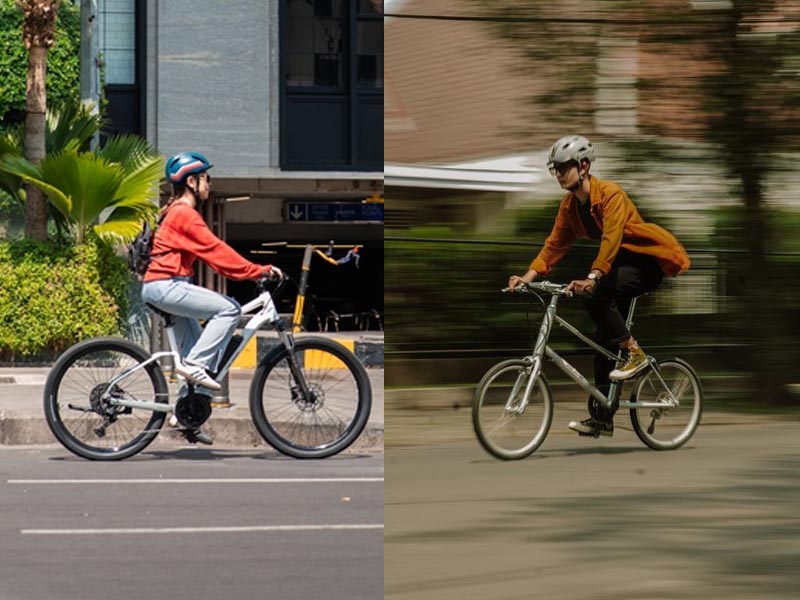
One of the clearest shifts heading into 2026 is the growth of mixed mobility, a blend of:
- Personal bike ownership
- e-bike usage
- Shared bicycles
- Public transport integration
- First/last-mile solutions
This trend is especially visible in cities like Singapore, where more commuters are cycling from home to MRT stations or using bikes for short-distance navigation between neighborhoods.
Why is mixed mobility rising?
- More cycling paths mean safer travel: As the network grows, riders feel more comfortable navigating the city using various bicycle types.
- The folding bike boom continues: Compact, portable, and allowed on public transport, the folding bike remains a favorite for students, office workers, and multi-modal commuters.
- E-bikes make longer rides practical: E-bikes enable older riders, beginners, and everyday commuters to travel farther with less effort.
- Shared bike systems are becoming smarter: GPS tracking, better distribution, and improved durability make shared bicycles more reliable than before.
Mixed mobility will be one of the strongest pillars of the cycling trend 2026, making the bicycle a normal part of daily travel.
4. Growing Demand for Bike-Friendly Amenities
Cycling infrastructure is not only about paths. As more people use their city bike or road bike for transport, the demand for better amenities grows.
Expect strong development in:
- Secure parking at MRT stations: With higher ridership, commuters want safe, sheltered spots to park their bikes without fear of theft or weather damage.
- More bike parking at offices and workplaces: Companies are starting to see cycling as part of wellness culture. Bike racks, storage rooms, and access-controlled parking will rise.
- Showers and locker facilities: A major barrier to cycling commutes is arriving sweaty, end-of-trip facilities directly solve that problem.
- Community support and repair stands: Some cities are adding public repair stations equipped with tools, pumps, and simple maintenance stands.
- Integration into public housing estates: More estates will have parking nodes or ramps, making bicycle access smoother for residents.
For many urban environments, these upgrades make cycling feel like a legitimate everyday transport mode — not just a hobby.
What You Should Prepare for These Cycling Trends?
If you want to ride confidently into the cycling trend 2026, here are a few things worth preparing:
1. Choose a bike aligned with your lifestyle
- Use a folding bike if your commute involves trains or tight spaces.
- Use an city bike for practical commuting.
- Use a road bike or road bicycle if you enjoy training, weekend rides, or long-distance fitness.
2. Adopt The New Tech Early
Electronic shifting, GPS tracking, and smart sensors will help you ride safer, smarter, and more efficiently.
3. Prepare For Mixed Mobility
Get familiar with cycling paths, MRT station bike access, and bike-sharing options. A hybrid commute can save time and reduce stress.
4. Prioritize Safety Gear
With more cyclists on the road, visibility, lights, and proper helmets matter more than ever.
5. Stay Updated with Local Cycling Regulations
Rules for e-bikes, shared bikes, and cycling paths may evolve, staying informed keeps you safe and compliant.
Conclusion
The cycling trend 2026 marks an exciting stage where the bicycle becomes a more natural part of everyday movement. Electronic components will be everywhere, climbing bikes will gain major attention, mixed mobility will continue to rise, and urban infrastructure will become increasingly bike-friendly.
For anyone who rides, whether using a bike, a road bike, a folding bike, or an city bike, 2026 is shaping up to be a year where cycling becomes more integrated into daily life than ever before!
Read also: New Bike Recommendations for 2026

Please complete your information below to login.
Sign In
Create New Account