We use cookies to make your experience better. To comply with the new e-Privacy directive, we need to ask for your consent to set the cookies. Learn more.












Understanding Gravel Bike Handlebars
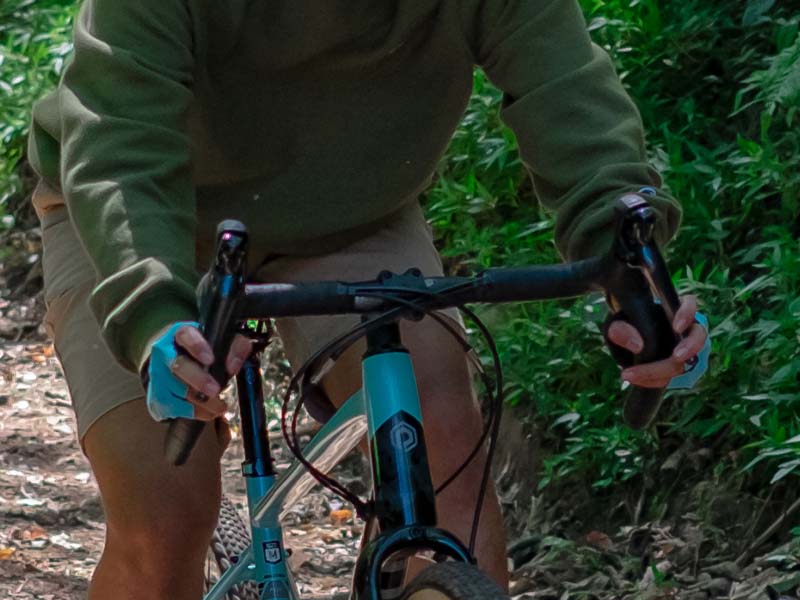
Your choice of handlebars on your gravel bike is important because it affects how your bike rides. With so many options available in terms of width, shape, and materials, it can be tough to decide. We're here to make it easier for you to pick the perfect handlebars from the many choices out there for gravel riding.
Gravel Bike Handlebars

Think of the handlebars on your gravel bike as your connection to the exciting world of adventure. They're not just places to hold onto; they're like your steering wheel for the journey. Gravel bike handlebars come in different shapes and sizes, and each type has its unique qualities that can really affect how much fun you have while riding.
Types of Gravel Bike Handlebars
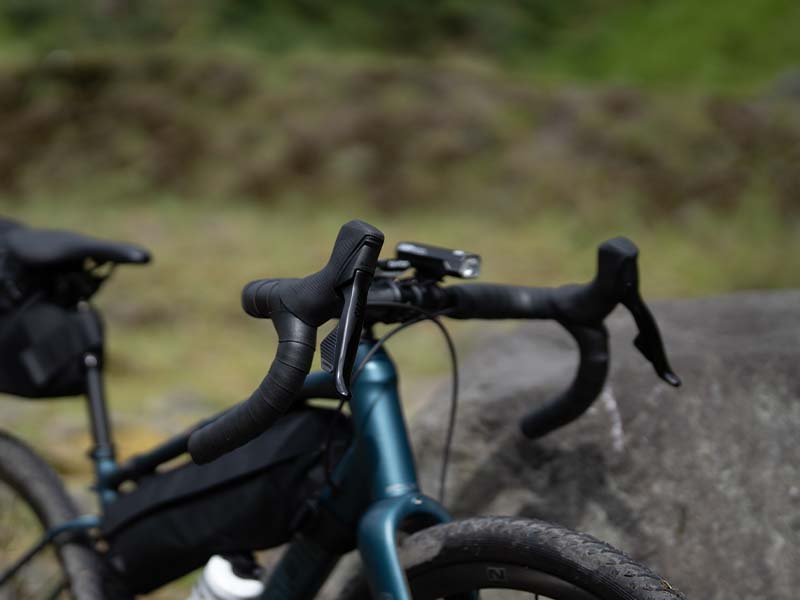
- Drop Bars: These are the most common handlebars you'll find on gravel bikes. They give you different hand positions to keep you comfy on long rides and help you go faster because they're kind of aerodynamic. Great for folks who like speed and flexibility.
- Flared Drop Bars: Just like the name says, these handlebars spread outwards as they go down. They're awesome for keeping control when you're going downhill on tricky terrain, which makes them a favorite for off-road adventurers.
- Flat Bars: If you're used to riding mountain bikes, you might prefer flat bars. They give you an upright sitting position and super good control, especially when the trails get tricky.
- Aero Bars: These are made for maximum aerodynamics and are perfect for folks who want to shave off a few seconds in long gravel races. But be careful, they're not meant for off-road fun.
Gravel Handlebars Characteristics to Consider
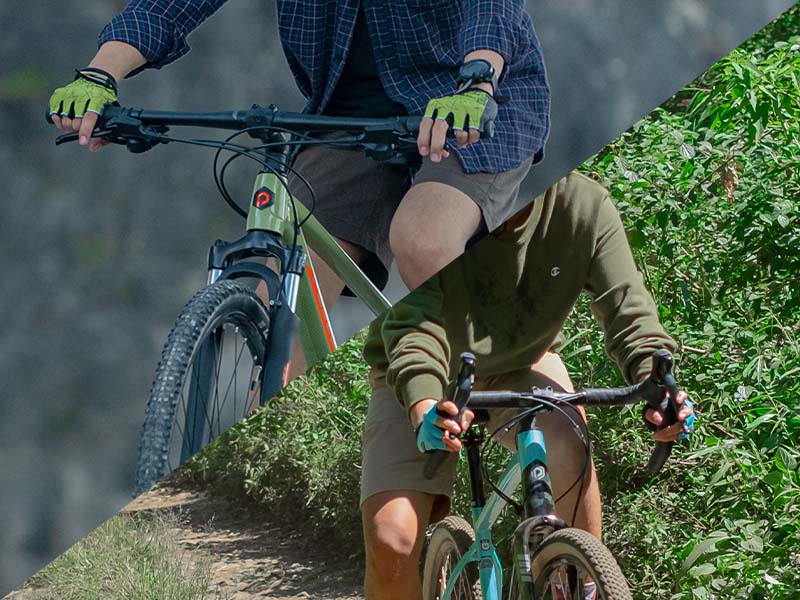
When picking out handlebars for your gravel bike, here are some important things to keep in mind:
- Width: When it comes to picking handlebars for your gravel bike, start by thinking about your shoulder width. Typically, for road bike handlebars, you'd choose a size that matches your shoulder width. However, some riders prefer narrower or wider bars. When road cyclists switch to gravel bikes, they often go for a slightly wider handlebar.
For example, if you usually use a 40cm bar on the road, a 42cm bar on your gravel bike could work well. A wider bar offers better control when you're riding off-road. If you're into more technical riding, you might even consider super-wide handlebars. These wider bars not only provide a smoother ride on rough and steep terrain but also offer more space upfront for handlebar bags when you're bikepacking. But if they're too wide, they can make your neck and shoulders hurt. It's a good idea to ask a pro for help finding the right width for you.
- Reach: Reach is how far the handlebar stretches from the bike. A longer reach pushes you more forward. Some handlebars have a reach of 73mm, while others have 80mm.
- Drops: Drops are the parts of the handlebar that drop down vertically. Some bars have drops that are 150mm long, while most have around 125mm.
- Flare: Flare is how much the handlebar angles outward from the top to the drops. It helps with control and stability when you're using the lower, dropped part of the handlebar.
- Tops: Most gravel bike handlebars have round tops, but some are more aerodynamic in shape. Round tops spread your weight out more, making it more comfy. Aero tops help you go faster by reducing air resistance.
- Diameter: Most gravel bike handlebars have a 31.8mm clamping space diameter. But if you're changing your handlebar, make sure it matches the old one. Some older bikes or cheaper models might have different diameters, like 25.4mm, 26.0mm, or 26.4mm.
- Material: Handlebars come in two main materials: aluminum alloy and carbon fiber.
Which Handlebar Material to Choose for Gravel Riding?
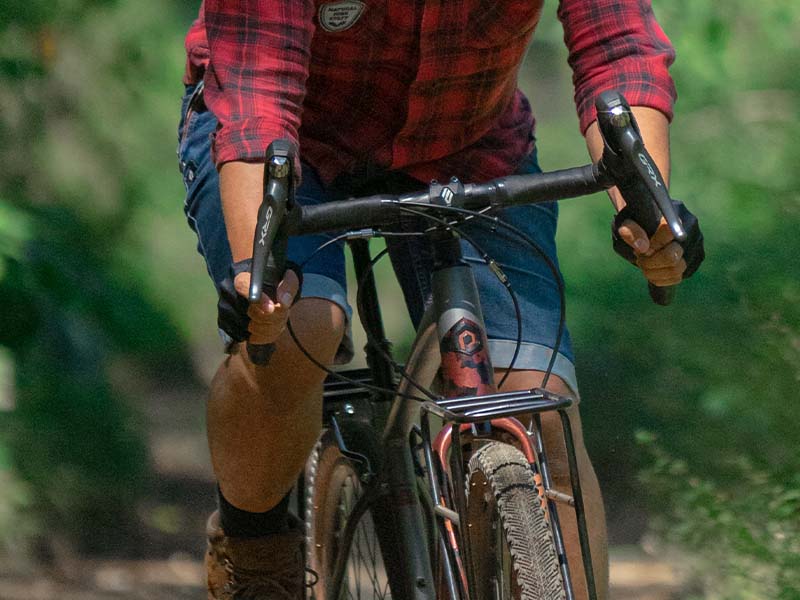
When it comes to gravel biking, you have a choice between two main types of handlebars: aluminum alloy or carbon fiber. Some high-end gravel bikes even feature titanium handlebars, which are ideal if you own one of these top-tier titanium gravel bikes.
Carbon fiber handlebars tend to be pricier, but the weight reduction they offer isn't very significant. However, it's important to note that carbon bars can absorb some of the roughness of the trail, which can help reduce fatigue on longer rides with varying terrain. On the other hand, aluminum bars are often more budget-friendly and are less likely to get damaged in the event of a crash. Some gravel bikes now come with integrated one-piece carbon fiber cockpits, similar to what you find on road bikes.
Conclusion
Now that you know more about gravel bike handlebars, it's time to hit the trails! Whether you go for drop bars to go fast, flared bars for control, or flat bars for comfort, your handlebars are a big part of your biking experience.
If you're ready to start your gravel biking journey or need to upgrade your current setup, check out Rodalink Singapore. We have a wide selection of gravel bikes and gear to fuel your adventure. And don't forget to take advantage of our promos to get the best deals!
Remember, picking the right handlebars can make a big difference in your gravel biking adventure. So, choose wisely, stay safe, and have a blast exploring the great outdoors on your trusty gravel bike!
COLLECTION OF QUALITY HANDLEBAR