Toggle Nav 



How to Change the Road Bike Groupset in the Correct Way?
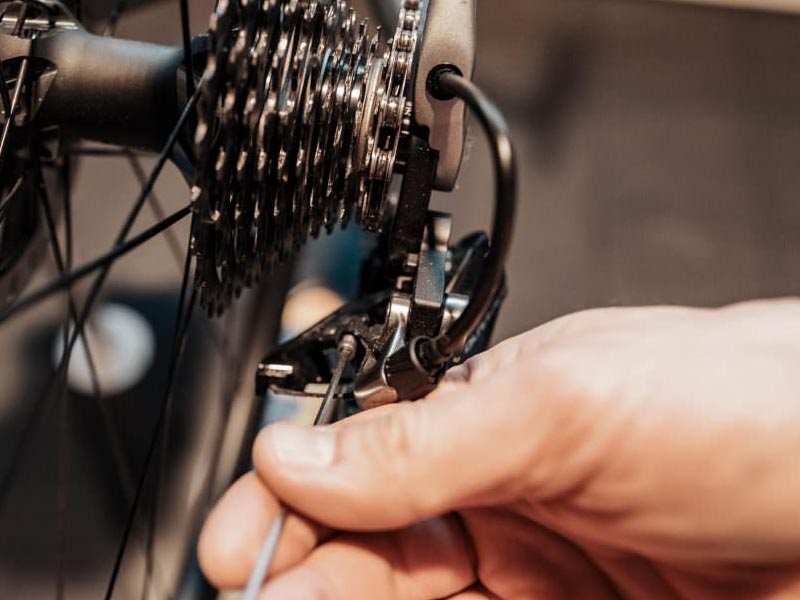
Upgrading or changing the groupset on your road bike can significantly enhance its performance and your overall riding experience. A groupset comprises all the components that make your bike shift and stop.
Whether you’re aiming for smoother shifts, better braking, or just a refreshed look, knowing how to change a road bike groupset properly is essential.
This guide will walk you through the process, providing detailed steps and useful tips to ensure a smooth and successful upgrade.
When Do You Need to Change Your Groupset?
Knowing when to change or upgrade your road bike groupset is crucial for maintaining optimal performance and ensuring a smooth, enjoyable riding experience. You need to change your groupset if you:
- Notice your chain slipping, delayed shifting, or a stretched chain, your groupset components like the chain, cassette, and derailleurs may be worn out and need replacing.
- Constantly adjusting derailleurs and brakes suggests these parts are at the end of their lifespan and no longer hold settings well.
- Newer groupsets offer lighter weight, better shifting, and improved braking, making them ideal for competitive cyclists or enthusiasts.
- Upgrading wheels might necessitate a groupset upgrade to ensure compatibility with new cassettes or hubs.
- New features like electronic shifting, hydraulic disc brakes, and wider gear ranges can significantly enhance your riding experience and may warrant an upgrade.
- Inspect your groupset for cracks, bends, rust, or corrosion. Visible damage means it's time to replace those components.
Upgrading or changing your groupset is a vital part of bike maintenance and performance enhancement.
Whether due to wear and tear, the need for better performance, or the desire for the latest technology, knowing when to upgrade ensures you get the most out of your road bike. If the process seems complex, and you're not comfortable working on your bike yourself, it's always best to take it to a qualified mechanic.
Steps to Change Your Road Bike Groupset
Here are the steps to install a mechanical groupset summarized by Rodalink for you.
1. Prepare the Tools and Equipment
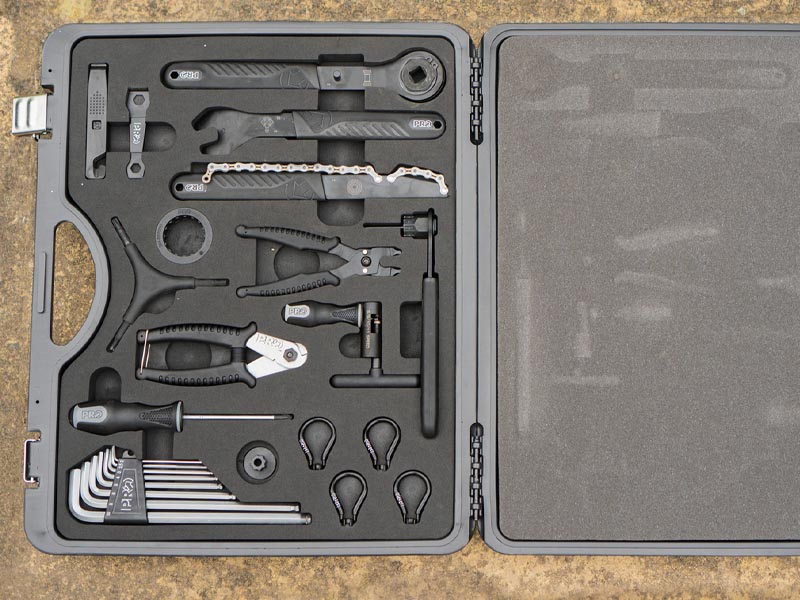
Before diving into the installation process, it's crucial to gather the necessary tools and equipment. Allen keys, a torque wrench, cassette tool, chain tool, pliers, cable cutters, bottom bracket tools, grease, and relevant components like shifters, derailleurs, chainset, cassette, brakes, and cables are essential.
These tools ensure a smooth and precise installation process. Additionally, make sure your workspace is clean and well-lit to avoid losing any small parts.
2. Installing the Cassette
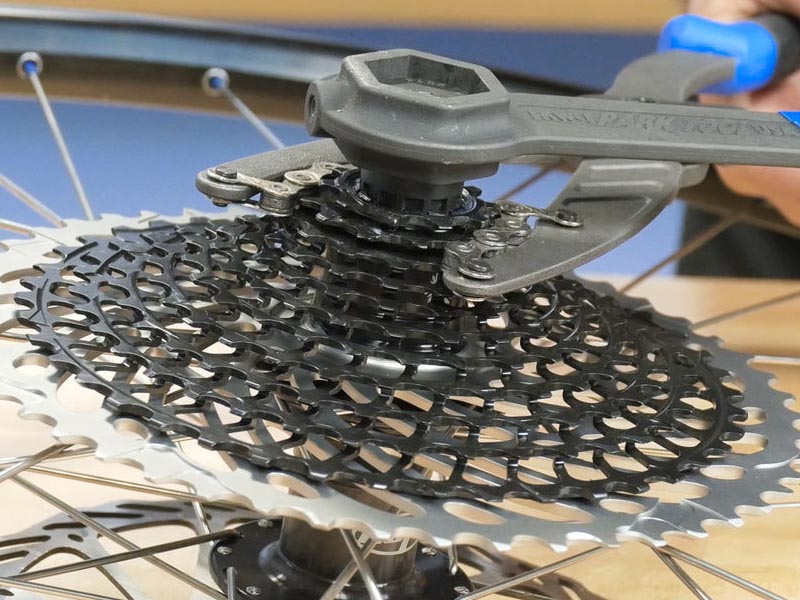
Begin with the cassette installation. Position your road bike so that the brake hoses and cable liners are pre-installed, and the forks and headset are in place. Locate the smallest spline on the freehub to align and slide the cassette onto it. Apply a bit of grease to the freehub body to prevent seizing. Once aligned, fit the lock ring and tighten it with a cassette tool to about 35-40 Newton meters.
3. Installing Components on the Frame
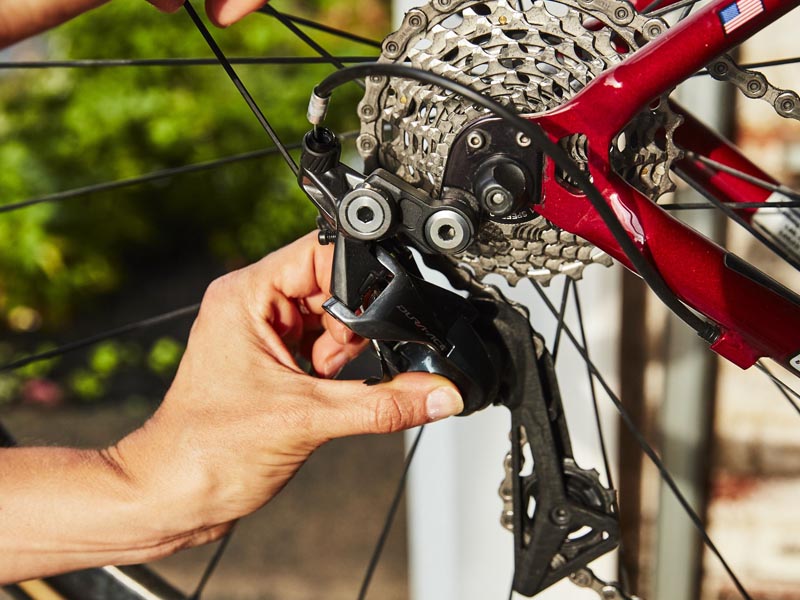
With the cassette installed, move on to fitting the derailleurs. Apply grease to the threads of the bolts to ease future removal. Carefully align the rear derailleur, ensuring the tab on the derailleur matches the hanger tab, and torque it to 5 Newton meters. Repeat this process for the front derailleur, positioning it loosely at first for later adjustment.
4. Routing the Cables
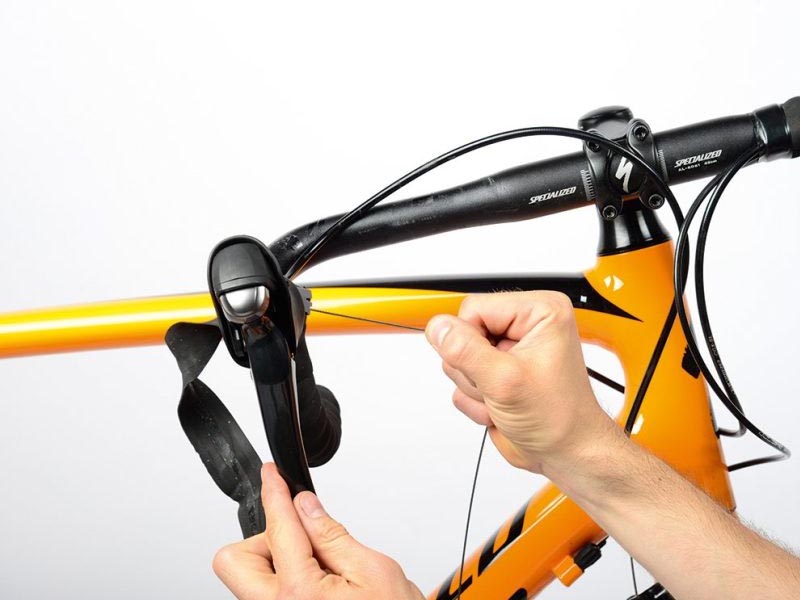
For bikes with internally routed cables, use an internal routing cable kit. If you’re reusing old outer cables, cut them to the same length; otherwise, leave them a bit longer to trim later. Guide the cables through the frame, using foam sleeves to prevent rattling against the frame. Secure the cables in place, preparing them for the inner cables.
5. Installing the Handlebars and Shifters
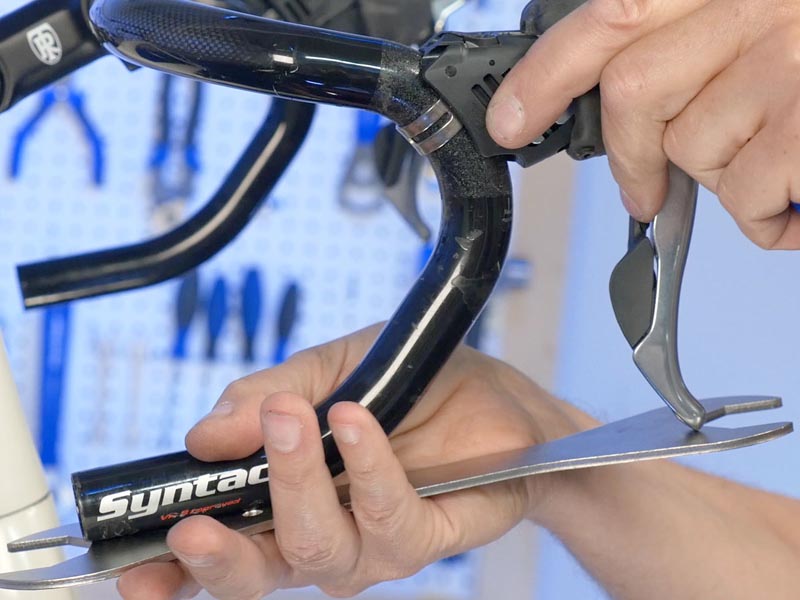
Reinstall the handlebars and stem, ensuring they are straight. Use a torque wrench to secure the bolts evenly. Attach the shifters to the handlebars, positioning them so they are level when the bike is upright. Tighten them loosely at first for final adjustment later.
6. Bottom Bracket and Crankset Installation
Install the bottom bracket according to your road bike's specifications, whether it’s a press-fit or another type. Refer to additional guides if necessary. Once the bottom bracket is in place, install the crankset. Adjust the front derailleur to ensure it is 2-3 millimeters above the chainrings and parallel to them, then torque it to 5 Newton meters.
7. Chain Installation
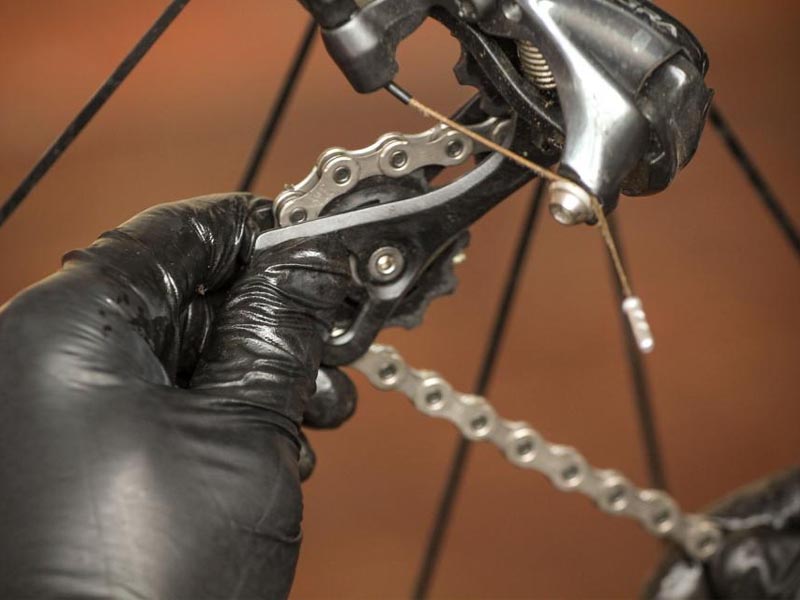
If your chain is not pre-sized, measure it by wrapping it around the largest sprocket and chainring, then add two links. Thread the chain through the derailleurs and connect it using a chain tool.
8. Adjusting and Securing Cables
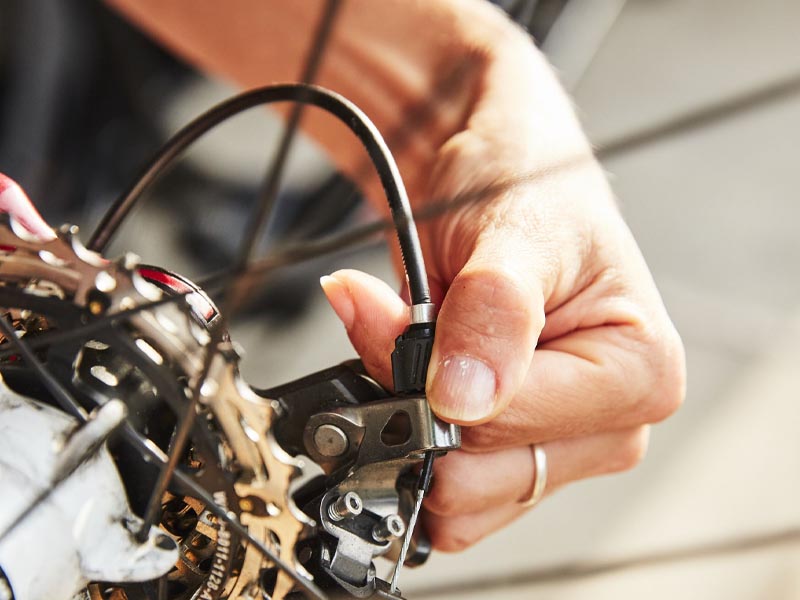
Run the inner cables through the outer cables and shifters. Trim any excess outer cable, ensuring a clean cut to prevent fraying. Attach specific cable ends to fit snugly into the shifters. Secure the inner cables through the derailleurs, using the barrel adjusters for fine-tuning the tension.
9. Setting the Derailleur Limits
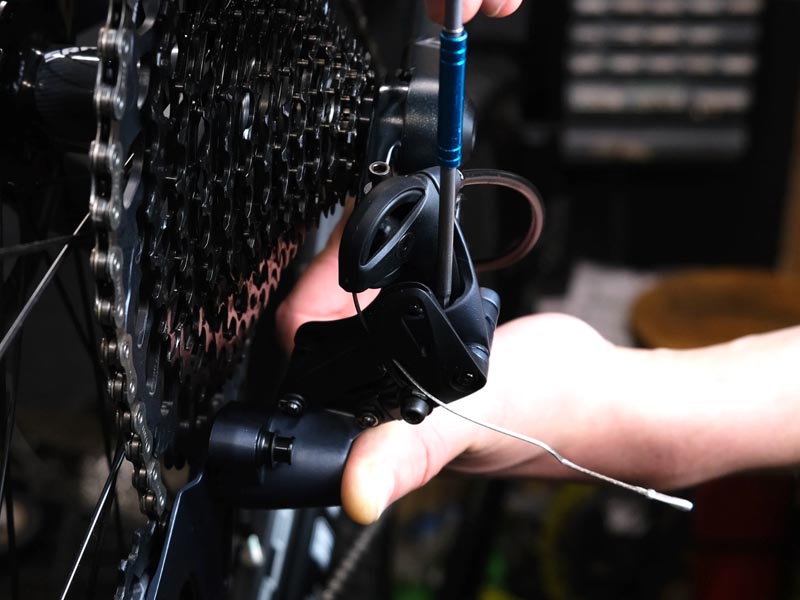
Adjust the high and low limit screws on the rear derailleur to prevent it from shifting beyond the smallest and largest sprockets. Use a 2mm Allen key to align the top pulley wheel with the appropriate sprocket. For the front derailleur, ensure the chain does not rub against the inner or outer plates of the derailleur cage by adjusting the limit screws accordingly.
10. Final Adjustments
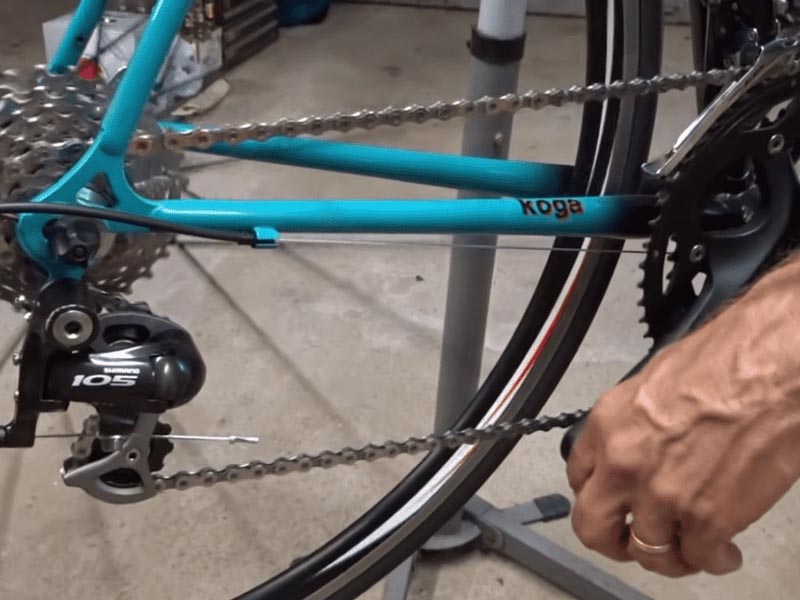
With the derailleurs set, use the barrel adjusters to fine-tune the indexing, ensuring smooth shifts. Trim the excess inner cable, leaving about 30-40 millimeters, and crimp a cable end to prevent fraying. Recheck all bolts and adjustments to ensure everything is secure and functioning correctly.
4 Tips on How to Upgrade a Groupset
If you don't want to upgrade your entire bike, here are some tips to maximize your budget.
1. Cables
Upgrading to high-quality cables, such as Vel cables, can make shifting smoother and more reliable, particularly in harsh conditions. These cables are pre-stretched and low friction, enhancing durability and performance.
2. Chainset
Upgrading your chainset can significantly reduce road bike weight. For example, replacing a 105 groupset with an Ultegra crankset saves weight and improves performance. While you can keep your existing 105 levers, chain, and cassette, ensure they aren’t too worn to avoid issues like chain suck or slipping.
3. Cassette
Replacing the cassette is another effective upgrade. Switching from a 105 to an Ultegra or Dura-Ace cassette reduces weight and enhances shifting efficiency, improving overall road bike performance.
4. Mix and Match
You can mix and match components as long as you maintain compatibility, such as replacing 10-speed parts with 10-speed parts. Ensure that the bottom bracket or spindle is compatible with your new chainset.
Hassle-Free Service with Rodalink
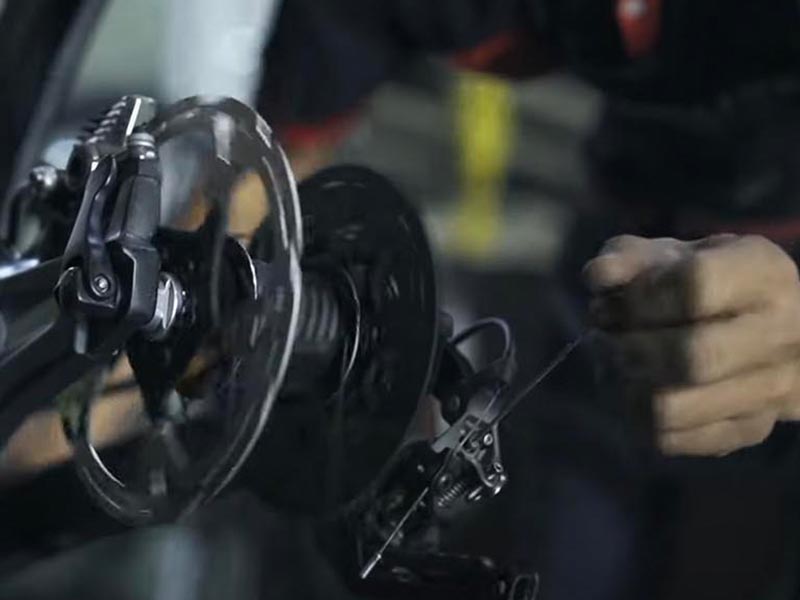
If the process seems daunting, consider the hassle-free service offered by Rodalink. Our expert mechanics can handle the entire groupset upgrade, ensuring precision and performance. With Rodalink, you can enjoy a seamless transition to a new, high-performance groupset without the stress.
Changing a road bike groupset can transform your riding experience, providing smoother shifts and improved performance. By following these steps and tips, you can ensure a successful upgrade, or opt for professional assistance to guarantee a perfect installation. Happy riding!

Please complete your information below to login.
Sign In
Create New Account