We use cookies to make your experience better. To comply with the new e-Privacy directive, we need to ask for your consent to set the cookies. Learn more.















Can You Wear MTB Shoes for Gravel Riding?
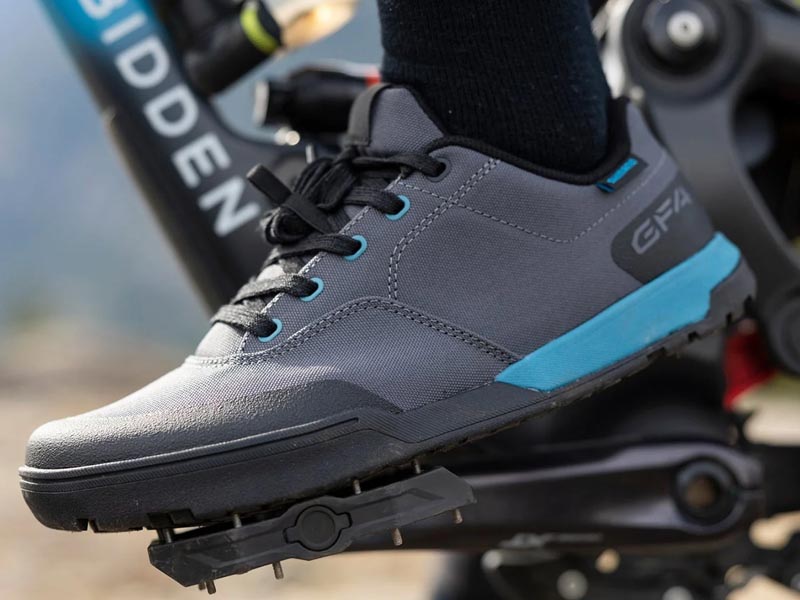
Already own a pair of MTB shoes and eyeing the gravel roads? You're not alone. As gravel riding continues to gain popularity, many cyclists wonder whether their trusty mountain bike shoes can pull double duty on these off-road adventures. After all, both disciplines involve mixed terrain, clipless pedals, and the need for sure-footed traction.
In this guide, we’ll break down the differences between mountain bike shoes and gravel bike shoes, weigh the pros and cons of using MTB shoes for gravel, and help you decide if it’s time to upgrade—or stick with what you’ve got. We’ll also recommend some solid MTB shoes from Rodalink that are gravel-capable.
MTB Shoes vs. Gravel Bike Shoes: What’s the Difference?
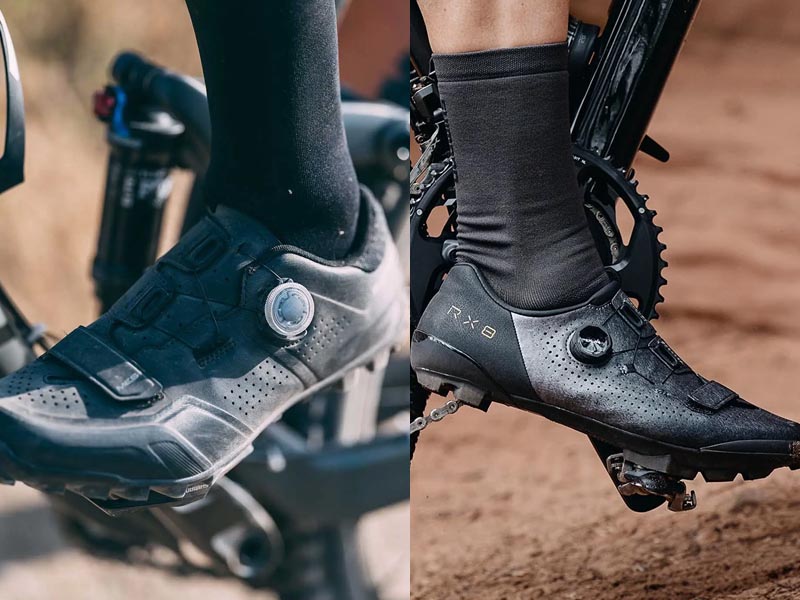
Here's a quick breakdown of the key differences between mountain bike shoes and gravel bike shoes:
|
Category |
Mountain Bike Shoes |
Gravel Bike Shoes |
|
Materials & Construction |
Built tough with reinforced uppers, toe guards, and grippy rubber outsoles |
Lighter materials with breathable uppers; minimalist protection |
|
Sole Stiffness & Tread |
Moderate to high stiffness; aggressive tread for traction on rough terrain |
Medium stiffness; low-profile tread for walking short distances |
|
Use Cases |
Trail riding, XC, enduro, and hike-a-bike adventures |
Long gravel rides, racing, bikepacking, mixed terrain endurance events |
While mountain bike shoes prioritize durability and traction for technical trails, gravel bike shoes are optimized for long-distance comfort and efficient pedaling over mixed surfaces. Gravel shoes often strike a balance between road performance and off-road capability.
Can You Wear MTB Shoes for Gravel Riding?
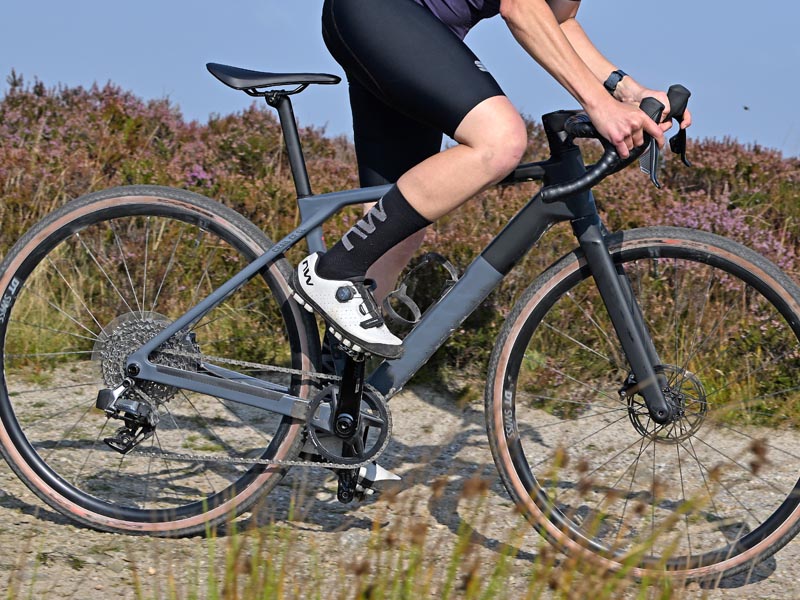
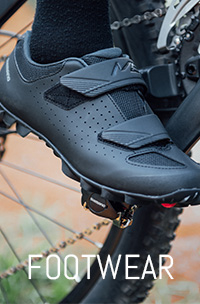
Short answer: Yes, you can wear mountain bike shoes for gravel riding—especially if you already own a pair. Many riders prefer MTB shoes when exploring gravel trails, thanks to their rugged construction and better walkability.
Mountain bike shoes are designed with trail-ready grip, stiff midsoles, and SPD cleat compatibility—features that also make them suitable for varied gravel terrain. Unless you're racing or prioritizing power transfer above all else, your MTB shoes can handle most gravel routes just fine.
Gravel-specific shoes typically offer a lighter build and sleeker fit, catering to long-distance and competitive gravel riders. But if you're not chasing podiums, your existing MTB shoes can get the job done comfortably and capably. Ultimately, it comes down to your preferences, terrain, and riding goals. Let’s explore the pros and cons next to help you make an informed choice.
Pros & Cons of Using MTB Shoes for Gravel Riding
If you're already using mountain bike shoes for gravel riding—or thinking about it—it’s worth weighing the upsides and limitations. While gravel bike shoes are designed specifically for the discipline, MTB shoes offer several crossover benefits, especially for adventurous or casual riders.
Pros of Using Mountain Bike Shoes for Gravel:
- Great for Hike-a-Bike: MTB shoes usually feature aggressive tread patterns and flexible soles, making them ideal for sections where you need to walk, push, or hike with your bike.
- Durability: MTB shoes like the Shimano SH-XC502 and Giro Deed Touring Shoes from Rodalink are built to withstand rocks, roots, and rugged conditions, perfect for unpredictable gravel trails.
- Traction & Comfort: D3O Insights highlights that mountain bike shoes provide better off-bike grip and comfort compared to road-style shoes. That’s great for bikepacking or adventure gravel riding.
- Budget-Friendly: Already have a pair? No need to buy new gravel bike shoes unless you're looking to upgrade or specialize.
Cons of Using Mountain Bike Shoes for Gravel:
- Heavier Build: Compared to gravel-specific shoes, MTB shoes tend to be bulkier with extra protection—great for trail use, but it may feel excessive on smoother gravel.
- Less Efficient Power Transfer: MTB soles are often more flexible to aid walkability, which can reduce pedaling efficiency on long gravel climbs.
- Bulkier Tread: If your MTB shoes have very deep lugs, they might not pair as cleanly with certain gravel-specific clipless pedals.
When to Consider Gravel-Specific Shoes
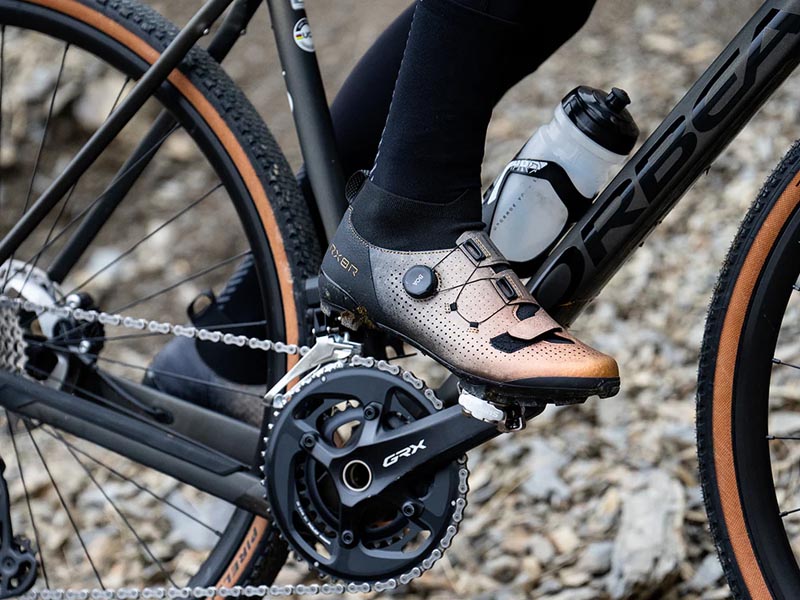
While mountain bike shoes are a solid option for many gravel riders, there are times when switching to gravel bike shoes makes a noticeable difference, especially if performance, fit, and pedaling efficiency are your top priorities.
Here’s when it might be time to upgrade:
- You Ride Long Distances Regularly: Gravel bike shoes are often lighter, better ventilated, and more streamlined than MTB shoes. If you're logging 80+ km gravel rides or going bikepacking for days, these features reduce fatigue and hot spots.
- You Prioritize Pedal Efficiency: According to Bicycling.com, gravel-specific shoes often feature stiffer soles for better power transfer, without sacrificing walkability. That’s a win for climbing efficiency and sustained speed.
- Do you Race or Train Seriously? If you’re entering gravel events or pushing performance, gravel shoes help you stay competitive with their race-ready fit, low weight, and sleek profile. Shoes like the Shimano RX8 (featured on Bicycling.com) are designed exactly for this kind of gravel riding.
- You want a Tailored Fit for Gravel Pedals: Many gravel bike shoes are optimized for SPD cleats with recessed placement, ensuring better engagement and comfort on gravel-specific pedals. This pairing makes clipping in and out smoother over varied terrain.
Practical Tips for Gravel Riding with MTB Shoes
Here are some ways to get the most out of your MTB shoes on gravel:
- Match the Shoe to the Pedal: Use SPD-compatible pedals for reliable clip-in performance on rough terrain. Most MTB shoes—like the Shimano SH-XC502 or SH-EX700 from Rodalink—work perfectly with these systems.
- Pick Shoes with Balanced Stiffness: Too-flexible soles reduce pedaling efficiency, while overly stiff soles can feel uncomfortable on uneven surfaces. Look for MTB shoes with moderate stiffness if you plan to ride mixed terrain regularly.
- Trim the Tread if Needed: If your MTB shoes have aggressive tread or tall lugs, make sure they don’t interfere with your pedals’ engagement. Sometimes, a light trim or swapping to pedals with wider contact points helps.
- Break Them in First: Before taking on a long gravel ride or bikepacking trip, wear your shoes on shorter rides. This helps mold the fit and reduces the risk of hot spots or blisters.
- Consider Breathability and Ventilation: MTB shoes are often more armored. If you’re riding in warm conditions, choose models like the Shimano SH-EX700 Touring Shoes, which offer better airflow while still being trail-tough.
- Don’t Forget the Socks: Moisture-wicking cycling socks can greatly improve comfort, especially on long gravel rides with varying terrain and weather.
With these small adjustments, your mountain bike shoes can serve you well on the gravel—keeping you comfortable, confident, and efficient across changing conditions.
MTB Shoes from Rodalink That Are Great for Gravel Riding
Not sure where to start? Rodalink offers a solid lineup of mountain bike shoes that are fully capable of handling gravel adventures. Whether you’re riding mellow trails, mixed gravel roads, or venturing into bikepacking, these options are worth checking out:
1. Giro Deed Mountain Touring Shoes
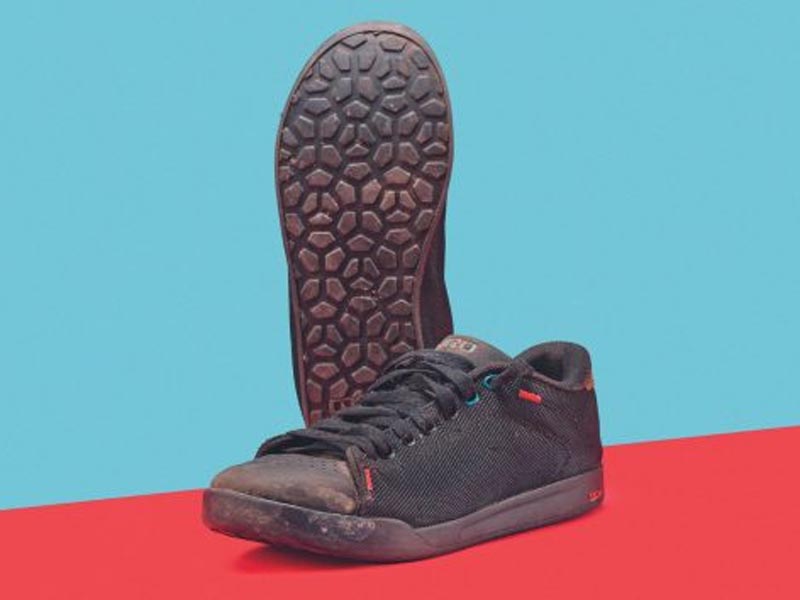
Designed for off-road touring and daily adventures, the Giro Deed combines casual styling with trail-ready performance. Its grippy rubber outsole makes walking easy, while the nylon plate offers just the right amount of stiffness for pedaling efficiency during gravel riding.
Perfect for riders who want a walkable shoe without sacrificing performance.
2. Shimano SH-XC502 Wide Fit XC Racing Shoes
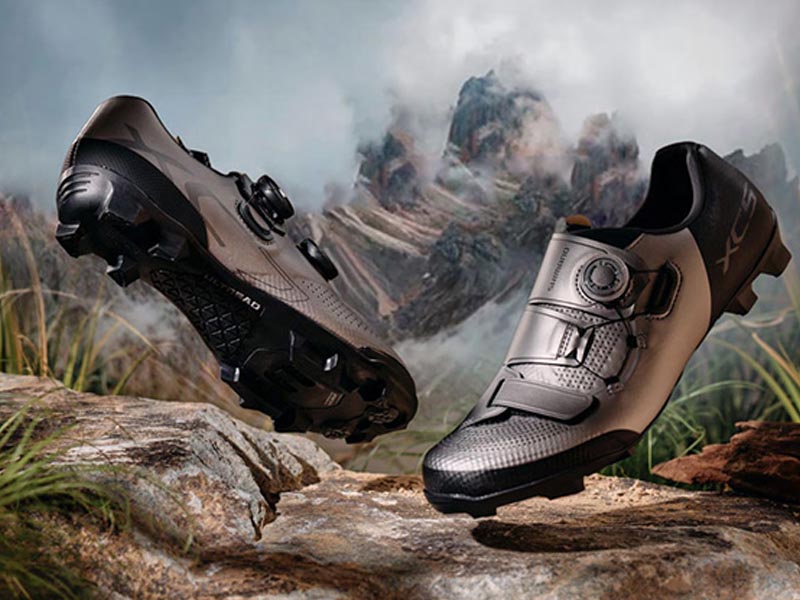
Lightweight, race-inspired, and built for endurance, the Shimano XC502 delivers high performance on technical trails and extended gravel rides. The carbon-reinforced sole ensures strong power transfer, while the breathable synthetic leather upper keeps your feet comfortable over long distances.
Great if you want something between an MTB and a gravel bike shoe.
3. Shimano SH-EX700 Off-Road Touring Shoes
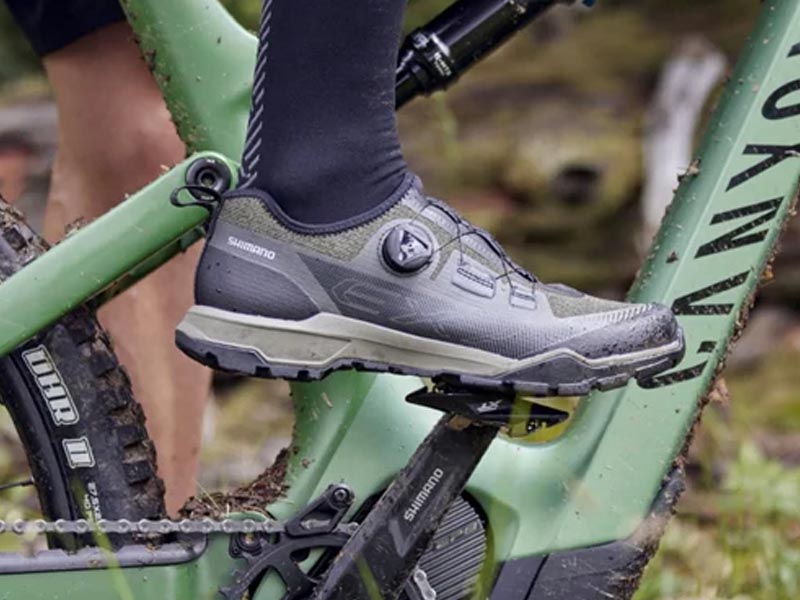
Tailored for multi-surface touring and gravel riding, the EX700 blends durability and comfort with off-bike capability. Its unique ULTREAD EX rubber outsole gives you excellent grip during hike-a-bike moments, and the BOA® dial system provides precise fit adjustment. Ideal for adventure cyclists tackling changing terrain.
Read also
- Top 7 Shimano Bike Shoes for 2025
- Are MTB Shoes OK for Road Bike?
- The 5 High Quality Shimano Cycling Shoes in 2024
So, can you wear mountain bike shoes for gravel riding? Absolutely. For many riders, MTB shoes offer the durability, traction, and comfort needed to tackle gravel roads confidently. While gravel bike shoes bring benefits like lighter weight and improved pedal efficiency, your existing MTB shoes can be a smart, versatile choice for mixed-terrain rides.
Ready to explore your options? Check out Rodalink’s range of mountain bike shoes built to handle gravel and beyond.
More gravel biking gear you might like