We use cookies to make your experience better. To comply with the new e-Privacy directive, we need to ask for your consent to set the cookies. Learn more.























Can You Bring a Hybrid Bike onto Off-Road Trails?
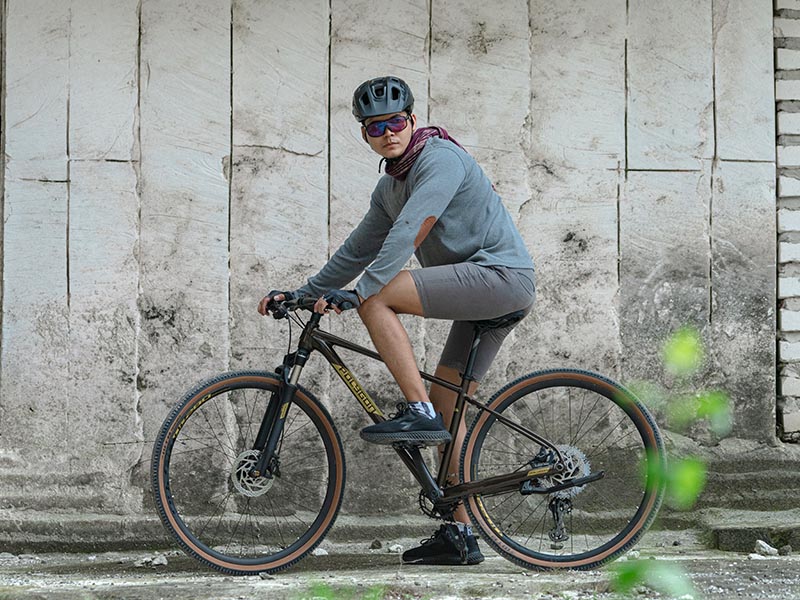
A hybrid bike is a versatile two-wheeler that blends the features of road bikes and mountain bikes, making it a great choice for commuting, fitness riding, and light adventure cycling. With a comfortable upright position, medium-width tires, and moderate suspension, hybrid bicycles are designed for both paved roads and some uneven surfaces.
But can you take a hybrid bike onto an off-road trail? The answer depends on the type of terrain. While hybrid bikes can handle light gravel paths and compact dirt trails, they are not built for extreme off-road adventures like mountain biking. Their construction prioritizes comfort and efficiency rather than rugged durability. If you're considering testing your hybrid on an off-road route, there are a few key factors to consider.
Why Some Riders Want to Take Their Hybrid Bikes Off-Road

At first glance, hybrid bikes share some similarities with mountain bikes, which can make them seem like a viable option for off-road riding. Here are a few reasons why some riders consider taking their hybrid bicycles onto trails:
- Similar Design to Mountain Bikes: Hybrid bikes often resemble mountain bikes, featuring a sturdy frame and a design that allows for casual trail riding. Many hybrids also come with disc brakes, which provide better-stopping power on uneven surfaces. Riders who occasionally venture off-road may assume that their hybrid can handle more rugged conditions simply because of this resemblance.
- Hardtail Suspension for Shock Absorption: Some hybrid bikes include a front suspension fork, much like hardtail mountain bikes. This helps absorb shock from minor bumps and rough surfaces, making them more capable on light trails than road bikes. However, the suspension travel on hybrid bikes is often minimal (around 50–60mm), which means it won’t handle large obstacles like roots and rocks as effectively as a mountain bike.
- Wider Tires for Better Grip: Unlike narrow road bike tires, hybrid bikes come with wider tires that offer better stability and traction on loose surfaces like gravel and packed dirt. While they don't match the aggressive tread patterns of mountain bike tires, they provide more grip than standard road tires, making them suitable for gentle off-road paths. Riders looking for a bike that performs well in various conditions, including occasional unpaved trails, may find hybrid bikes appealing.
The Limitations of Hybrid Bikes on Off-Road Trails
While hybrid bikes offer some off-road capabilities, they also have limitations that make them unsuitable for technical trails. Here’s why you should be cautious when taking a hybrid bike off-road:
1. Smaller Frames and Wheels Compared to Mountain Bikes
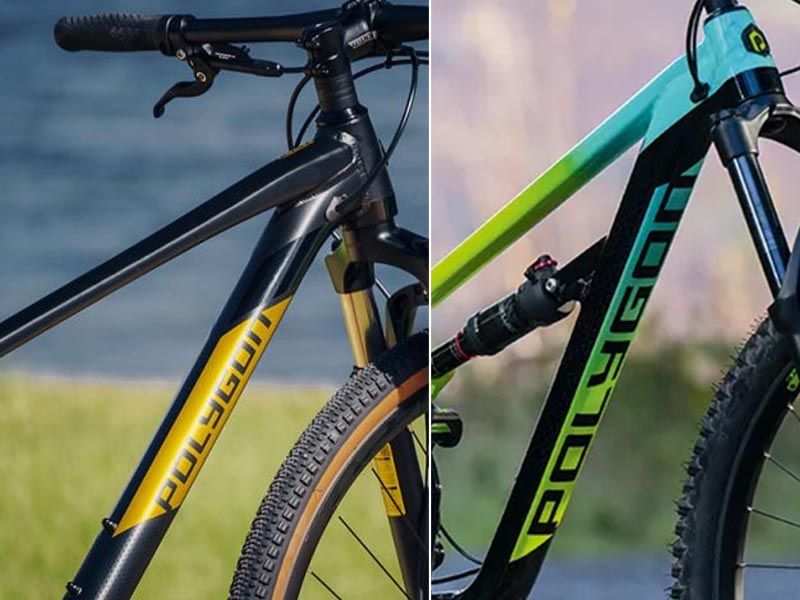
Hybrid bikes typically have smaller frames and wheels than dedicated mountain bikes, affecting their ability to handle tough terrain. Mountain bikes are designed with geometry that provides better control and shock absorption, while hybrid bikes prioritize comfort and efficiency for smoother surfaces. A shorter wheelbase and less aggressive angles can make hybrids less stable on bumpy trails.
2. Limited Suspension Travel
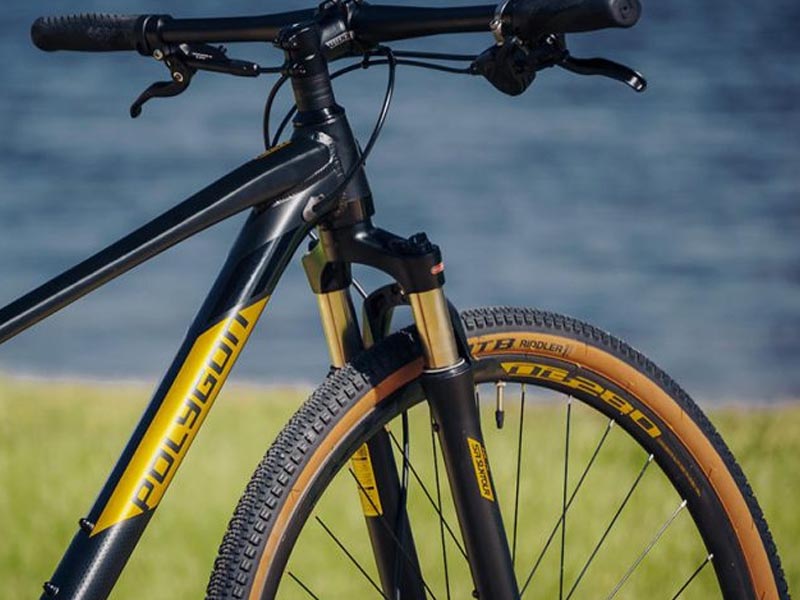
Even though some hybrids have a front suspension fork, they don’t offer the same level of travel as mountain bikes. Mountain bike suspensions are designed to absorb large impacts from rocks, roots, and jumps, whereas hybrid bikes have limited suspension travel and can struggle on rougher terrain. Riders may feel every bump on the trail, which can lead to discomfort and loss of control.
3. Fewer Gears for Steep Climbs and Descents
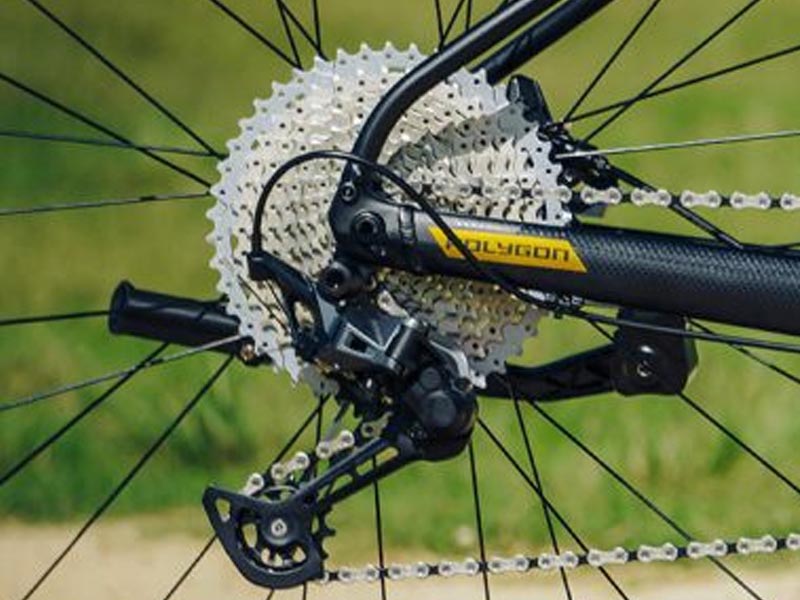
Mountain bikes come with a wide range of gears that help riders tackle steep inclines and challenging descents. Hybrid bikes, however, often have fewer gears, making it more difficult to handle steep and unpredictable off-road trails. If you're facing a particularly hilly trail, you may find yourself struggling to keep up or maintain control on descents due to a lack of appropriate gearing.
4. Weaker Frame and Components

The frame and components of hybrid bikes are built for mixed-terrain riding but are not as reinforced as mountain bikes. Repeated exposure to rough trails can cause premature wear and tear on the frame, wheels, and drivetrain. Hybrid bike rims and spokes are generally not designed for high-impact riding, which increases the risk of damage when tackling rocky or root-covered paths.
Should You Take Your Hybrid Bike Off-Road?
If your goal is to ride on light gravel paths, compact dirt trails, or smooth park trails, a hybrid bike can be a great choice. However, if you're planning to tackle rough, rocky, or technical mountain trails, a mountain bike is the better option. Hybrid bikes are designed for versatility but have limits when it comes to challenging off-road conditions.
How to Make a Hybrid Bike More Trail-Friendly
If you want to improve your hybrid bike’s off-road performance, consider these upgrades:
- Upgrade to wider, more treaded tires – Swapping standard hybrid tires for ones with deeper treads can improve grip and stability on dirt and gravel trails.
- Adjust tire pressure – Lowering the air pressure slightly can provide better traction on loose surfaces without compromising ride quality.
- Install a suspension fork with better travel – If your hybrid bike allows for a fork upgrade, consider one with at least 80mm of travel for improved shock absorption.
- Upgrade to stronger disc brakes – Mechanical or hydraulic disc brakes offer superior stopping power, which is beneficial for descending off-road trails.
- Reinforce the frame and drivetrain – Installing a more durable chain, derailleur, and frame guards can help protect your bike from wear and tear.
By making these modifications, you can extend the capabilities of your hybrid bike and make it more adaptable for casual off-road rides. However, even with upgrades, hybrid bikes will never match the performance of a dedicated mountain bike.
Read also: 101 Hybrid Bike: All You Need to Know
Conclusion
Hybrid bicycles strike a balance between road and light off-road riding, making them versatile but not limitless. While they can handle smooth gravel and dirt paths, they lack the robust features of mountain bikes needed for tougher terrains. If you're planning occasional off-road rides, minor upgrades can enhance performance, but for truly technical trails, a mountain bike remains the best choice.
If your riding style includes a mix of city commuting and weekend off-road adventures on easy trails, a hybrid bike could be the perfect fit. However, for those looking to tackle more rugged terrain, investing in a dedicated mountain bike will provide a safer and more enjoyable experience. Ultimately, choosing the right bike depends on your needs, riding environment, and how far you want to push the limits of your cycling adventures.
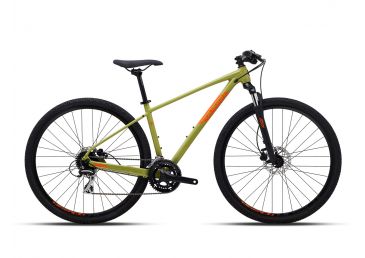
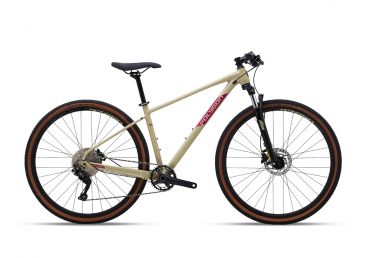
Hybrid bikes you might like: