We use cookies to make your experience better. To comply with the new e-Privacy directive, we need to ask for your consent to set the cookies. Learn more.






















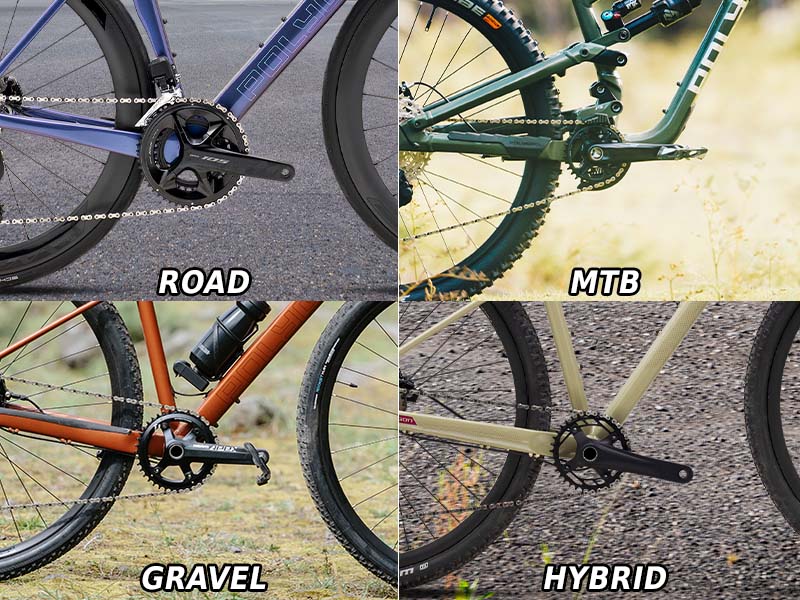
Crankset Types: Road, MTB, Gravel, Hybrid
Have you ever wondered what makes your bike move when you pedal? Well, it's all thanks to a crucial part called the crankset.
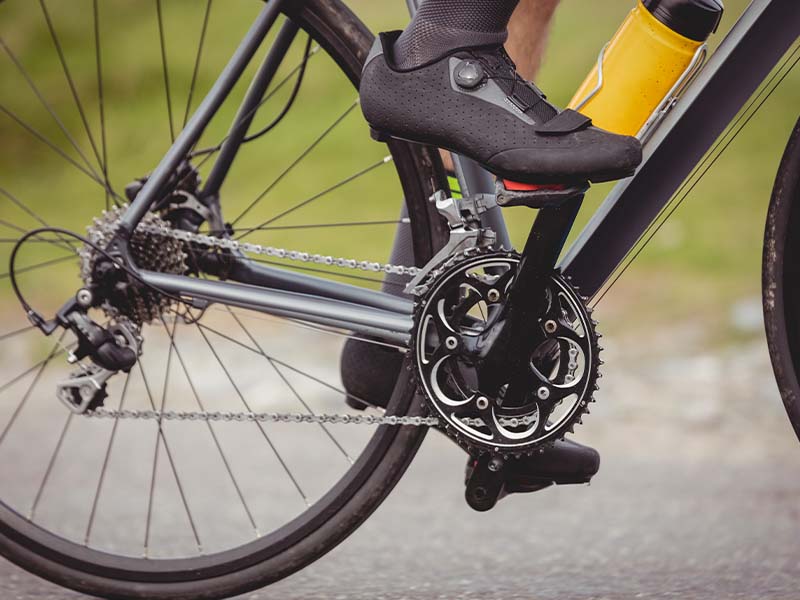
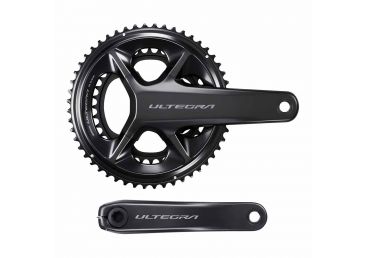
So, what exactly is a crankset? It's made up of two crank arms where your pedals attach and one to three chainrings that the chain runs over. An axle or spindle in the middle usually connects both sides. In older designs, this axle was part of the bottom bracket, the thing that links the cranks to the bike's frame.
Working together with your bike's rear gearing, which includes a rear derailleur and a cassette with multiple sprockets, the crankset gives you a range of gears to choose from depending on the terrain you're riding on.
Cranksets come in lots of different types, sizes, and standards. Understanding all these options and making sure they work together can be a bit like opening a box of surprises. So, let's dive into the world of cranksets and unravel the mysteries hidden within this essential part of your bike.
Road Bike Crankset
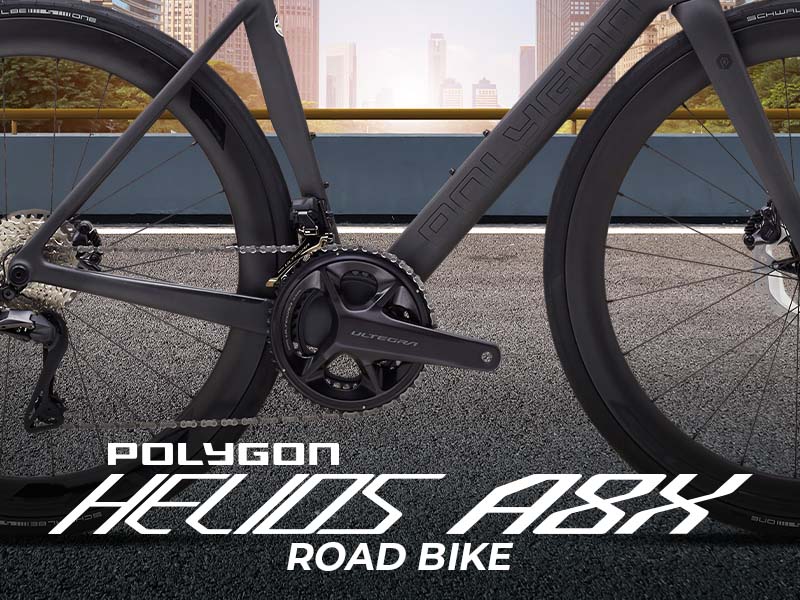
Most road bikes usually have a two-ring double crankset, and until recently, there were three common setups:
1. 'Standard' Double Crankset
A 'standard' double crankset comes with two rings: one with 53 teeth and the other with 39 teeth. Despite its name, this setup isn't very common nowadays. It's mainly used by professional racers. The trend has shifted towards smaller chainrings, which provide lower gear ratios. Also, with 12-speed gearing, the traditional 'standard' double crankset is no longer standard on the latest high-end bikes equipped with Shimano groupsets.
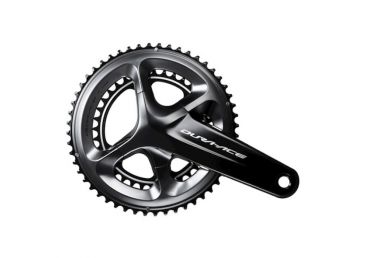
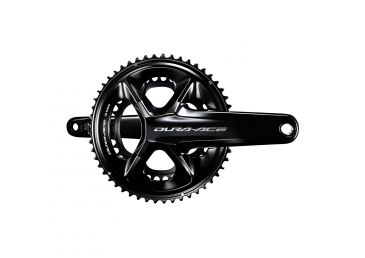
Shimano now offers a 54/40t double crankset for their Dura-Ace Di2 R9200 groupset as an alternative to the traditional 53/39t.
2. 'Semi-Compact' Double Crankset
Setting aside professional-level bikes, most sporty road bikes now come with a 'semi-compact' double crankset featuring 52/36t chainrings. The term 'semi-compact' means it provides slightly lower top-end gears compared to the 53/39 setup but offers more options for lower gears, which can be useful for climbing hills.
3. 'Compact' Double Crankset
The 'compact' double crankset is typically found on endurance road bikes, all-rounders, and entry-level bikes. It consists of chainrings with 50 and 34 teeth. A compact crankset offers plenty of low-end gearing, especially when combined with a modern cassette with a large sprocket of 30 teeth or more. However, the highest (hardest) gear will be lower.
In simpler terms, road bikes come with different gear setups. There's the less common 'standard' setup with 53/39t rings, a 'semi-compact' setup with 52/36t rings for sporty riding, and a 'compact' setup with 50/34t rings for endurance and entry-level bikes. These variations help riders choose the right gears for their needs, whether it's speed, climbing, or all-around riding.
Gravel Bike Crankset
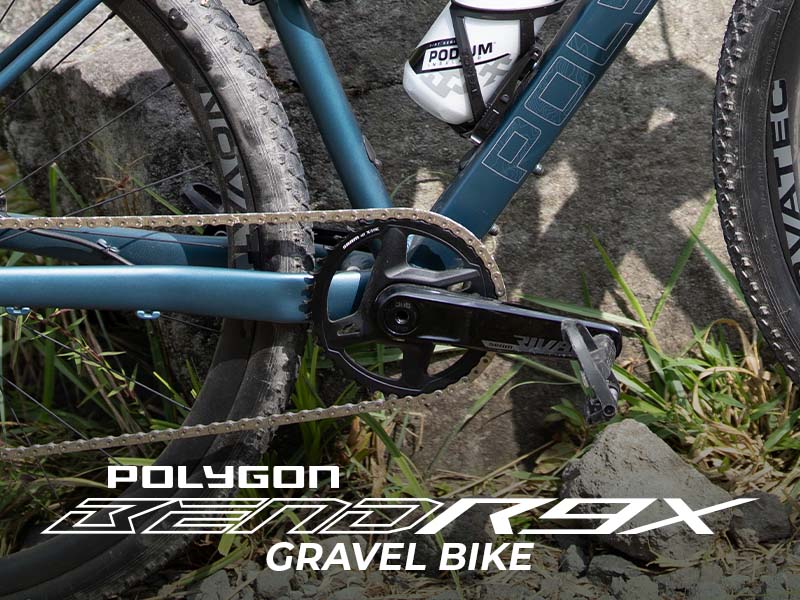
Gravel bikes come with different gear options depending on their purpose. There are various types of crankset configurations available, including ones with a single front chainring (1x) or two front chainrings (2x). In the past, many early gravel bikes used compact road cranksets with 50/34t chainrings, and you can still find some gravel or all-road bikes using this setup. However, compact cranksets may not offer low enough gearing for challenging off-road riding.
Today, it's more common to see super-compact cranksets (also known as sub-compact cranksets) on gravel bikes with two chainrings. These typically have either 46/32t or 46/30t chainrings, although Shimano GRX also offers 48/31t options. These setups provide lower gear ratios, which, when combined with the right cassette, allow you to handle tough off-road conditions or carry heavy loads for bikepacking.
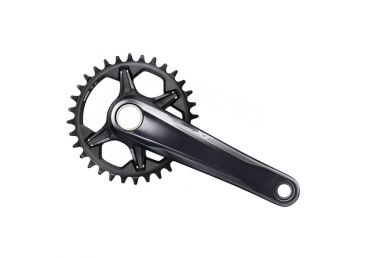
Another popular choice for gravel bikes is the 1x crankset. These setups have a single front chainring, eliminating the need for a front derailleur and simplifying the bike's mechanical setup. The larger gaps between gears in a 1x system are less of an issue for gravel riding. You can commonly find 36t, 38t, 40t, or 42t single chainrings for 1x setups.
Mountain Bike (MTB) Crankset
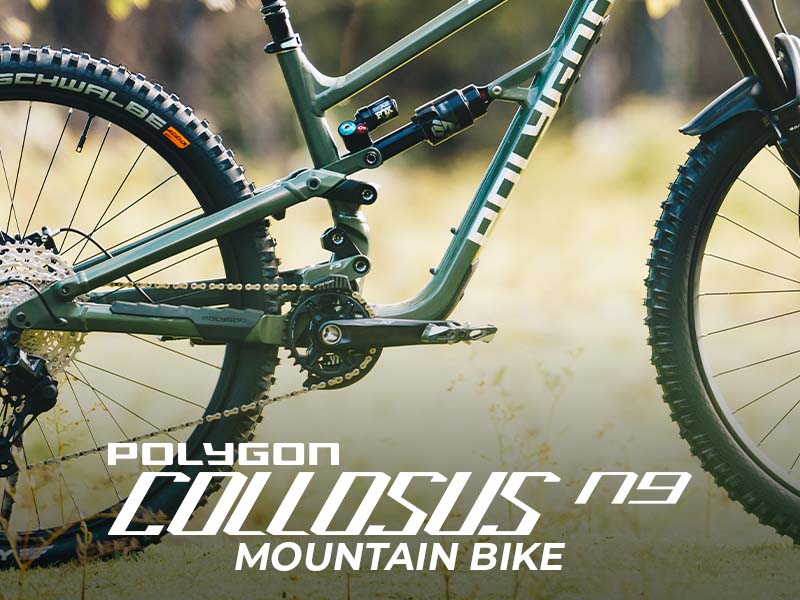
Mountain bikes come with various options for their cranksets, just like road and gravel bikes have their own variety of choices. Most new mountain bikes now feature a single-ring crankset, except for the very basic models. This means they use a cassette with a wide range of gears at the back, which simplifies things in the front part of the bike.
Now, when it comes to mountain bikes, the axle width standards can vary, and this affects the chainline, which is the alignment of the chain with the gears. Because different mountain bikes have the cassette at different distances from the centerline of the bike, the chainring needs to be adjusted accordingly to ensure smooth shifting across all the gears. Some brands offer different chainline options for their cranksets to accommodate these variations in axle widths, so make sure to choose the one that matches your bike.
Hybrid Bike Crankset
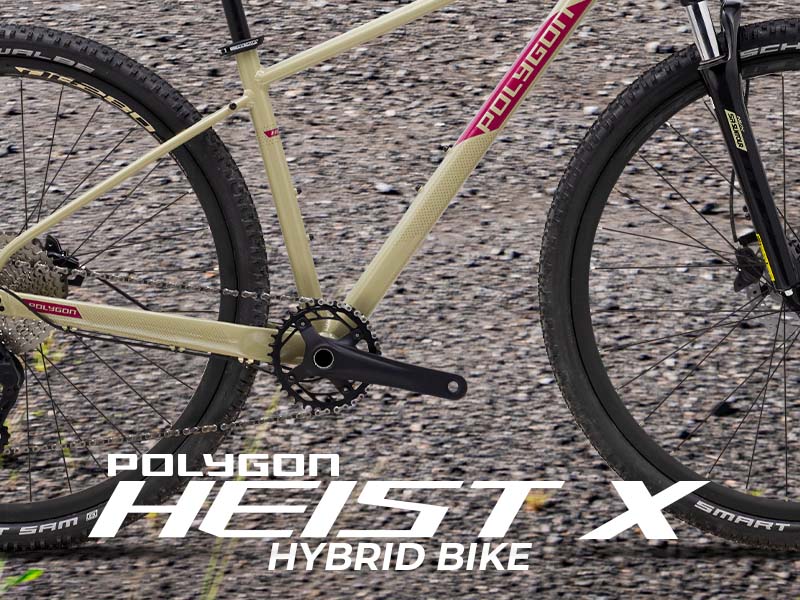
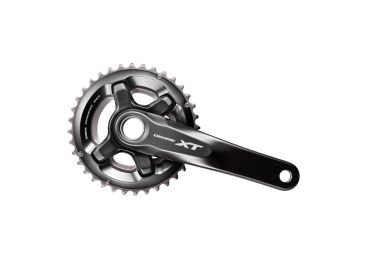
Flat-bar hybrid bikes offer various choices for their crankset setups, which can either have one chainring (1x) or two chainrings (2x). Singlespeed bikes, as the name suggests, have only one chainring. To make sure it suits your riding preferences and the type of terrain you're tackling, it's important to pick the right combination of chainring size and rear sprocket that creates the ideal gear ratio.
Complete Information on Crankset Types
- Materials: Cranksets can be made from various materials like aluminum, carbon, or even steel. Lighter materials offer improved performance, while heavier ones prioritize durability.
- Number of Chainrings: Each crankset type can have one, two, or even three chainrings. More chainrings offer a wider range of gear ratios, which can be crucial for tackling different terrains.
- Crank Arm Length: The length of the crank arms can affect your pedaling efficiency and comfort. Different types of riders may prefer different lengths, so it's worth considering.
- Bottom Bracket Compatibility: Ensure your chosen crankset is compatible with your bike's bottom bracket, as different types exist for various bike frames.
Conclusion
In conclusion, picking the right crankset for your bike is super important to have a great time cycling. No matter if you like going fast on roads, tackling tough trails in the mountains, exploring versatile gravel paths, or riding a hybrid bike, knowing what each type of crankset is good for will help you choose the best one for you.
You can find the perfect crankset for your bike at Rodalink Singapore! We have a bunch of different bike gear, including cranksets for all kinds of bikes. We really know their stuff and have high-quality products, so you'll definitely find the right one for your cycling adventures.
So, get your gear ready, hop on your bike, and have an awesome ride with the crankset that matches your style of biking. Enjoy your cycling journey!