Toggle Nav 



Steps to Lube Your Bike Chain to Smooth Bike Ride
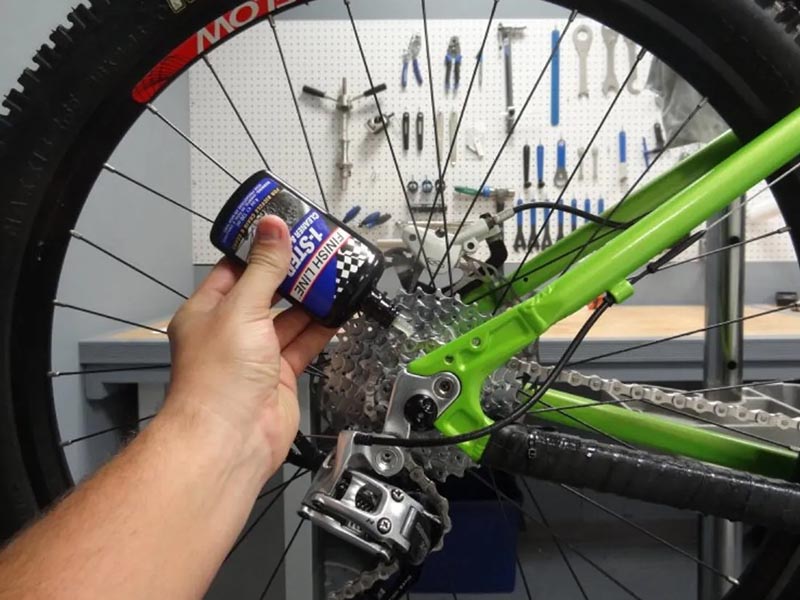
For cyclists, a smooth-running chain is the lifeblood of every ride. It's the unsung hero transferring your pedal power to propel you forward. But just like your own heart needs care, your chain requires regular lubrication for optimal performance and longevity.
In this article, you will find why it's crucial, explore different lube options, and discover the step-by-step process to keep your two-wheeled companion gliding smoothly.
Why is Routine Chain Lubrication Important?
Routine chain lubrication extends beyond merely silencing that annoying squeak; it's about enhancing your ride and safeguarding your investment. A well-lubricated chain diminishes friction and wear, resulting in smoother pedaling and an extended chain lifespan.
Lubrication acts as a barrier against rust and corrosion, ensuring the health of your drivetrain in all weather conditions. Moreover, it facilitates seamless gear transitions, enhancing the overall riding experience. Bid farewell to that bothersome chain squeal! Regular lubrication ensures a whisper-quiet ride. The ultimate advantage? Heightened efficiency – a properly lubricated chain enables effortless pedaling, allowing you to cover more ground with less effort.
Understanding Lube Types
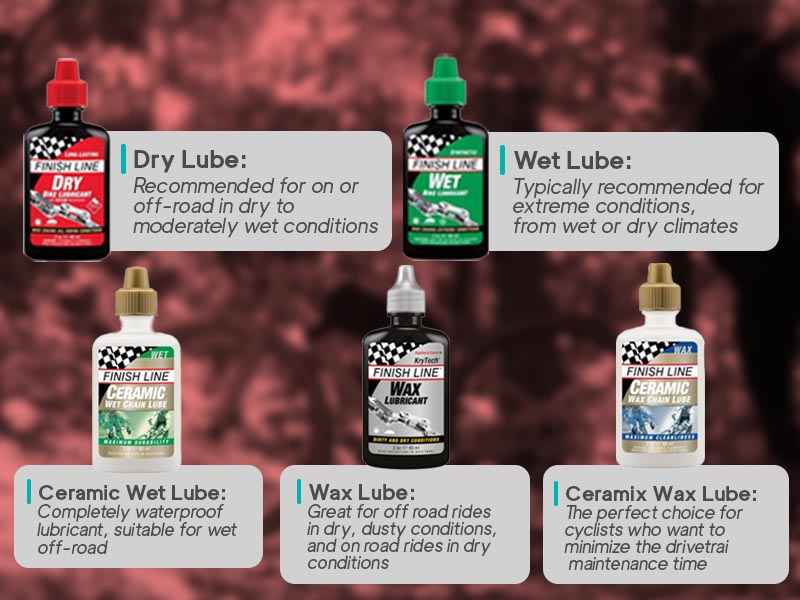
Before diving into chain lubrication, it's important to understand the different types of lubes available and how to use lube. Each type excels in specific conditions:
- Dry Lubricants: It's actually a thin liquid that will leave dry film- like a coating across the chain. It is ideal for dry and dusty conditions, dry lubes create a thin film on the chain that repels dirt and grime. They are excellent for reducing friction without attracting too much debris.
- Wet Lubricants: As the name suggests, it will wet when you apply it. Its purpose is for poor weather conditions. It will stay in place even when heavy rain starts coming down and will also be perfect for winter conditions.
Wet lube designs for wet and muddy conditions. They have a thicker consistency and provide better protection against water, making them suitable for rainy rides. Wet lubes adhere well to the chain, ensuring long-lasting lubrication even in adverse weather.
- Wax Lubricants: Wax-based lubes offer a clean and efficient lubrication solution. They penetrate the chain's links and then solidify, forming a protective layer that repels dirt and contaminants. Wax lubes are popular among cyclists who prioritize cleanliness and smooth shifting.
- Ceramic Lubricants: Ceramic lubes contain microscopic ceramic particles that enhance the lubricant's durability and reduce friction to an extreme level. They are known for their long-lasting performance and ability to withstand high temperatures and heavy loads. Ceramic lubes are often favored by competitive cyclists and enthusiasts seeking maximum efficiency.
Steps to Lube Your Bike Chain
Lubing your chain might seem like a simple task, but following a proper process ensures optimal results. Check as below:
1. Remove The Grease
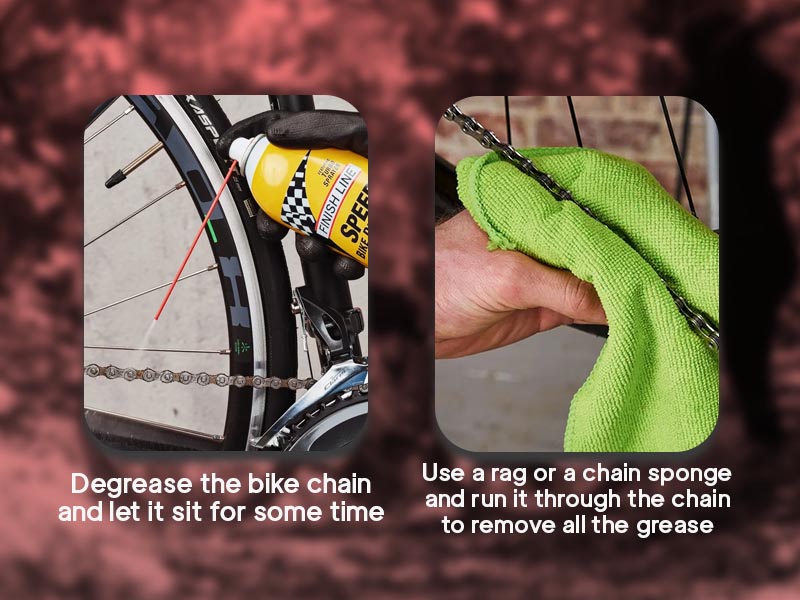
Cleaning the chain before lubricating your bike chain is crucial to ensure optimal performance and longevity of your bike's components. Removing dirt, debris, and old lubricant creates a clean surface for the new lubricant to adhere to, preventing contaminants from causing premature wear and tear.
Before lubricating, thoroughly clean your chain to rid it of dirt, grime, and remnants of old lubricant. A pristine chain ensures that the new lubricant can penetrate effectively, offering maximum protection and performance.
Before applying a new lubricant, it's essential to thoroughly clean the bike chain to remove old grease, dirt, and grime. You need a degreaser to remove it. Do not forget to wear gloves or avoid contact with skin when using degreasers or lubes.
This grease remover effectively breaks down built-up grease and grime without damaging the chain or other components. Gently scrub the chain with a brush to loosen stubborn dirt and ensure thorough cleaning.
2. Remove any Excess Degreaser

If you've utilized a degreaser, ensure it's rinsed off entirely and the chain is dried before applying fresh lubricant. Leaving degreaser residue on the chain can interfere with the performance of the new lubricant and attract dirt and debris, leading to premature wear and tear.
3. Apply the Lube
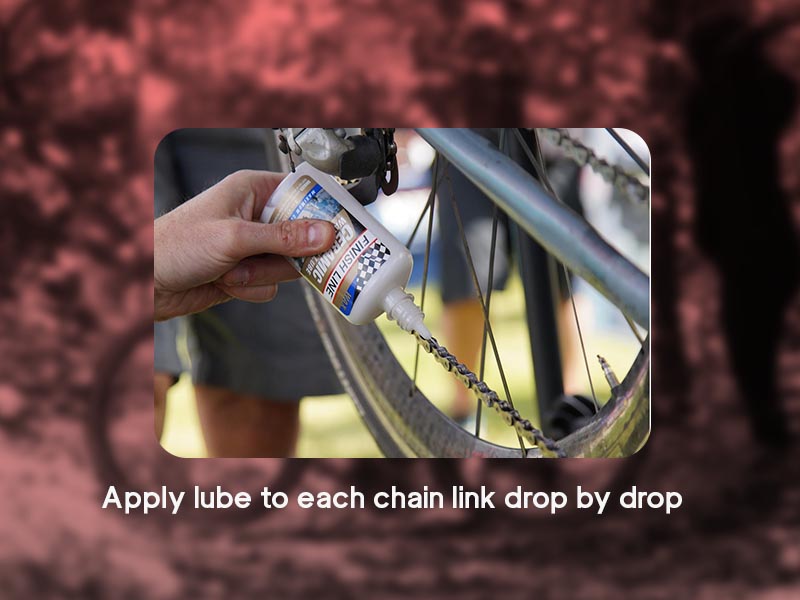
Following the cleaning and drying of the chain, proceed to apply fresh lubricant. After preparing the necessary tools, lubricating your bike chain may appear trivial, yet employing the correct technique is crucial for optimal outcomes. Administer a moderate amount of lubricant to each link, rotating the pedals backward slowly. Ensure uniform distribution along the entire chain, allowing the lubricant to penetrate the internal components of the links. Avoid excessive application to prevent the accumulation of dirt.
4. Wipe Off Excess Lubricant
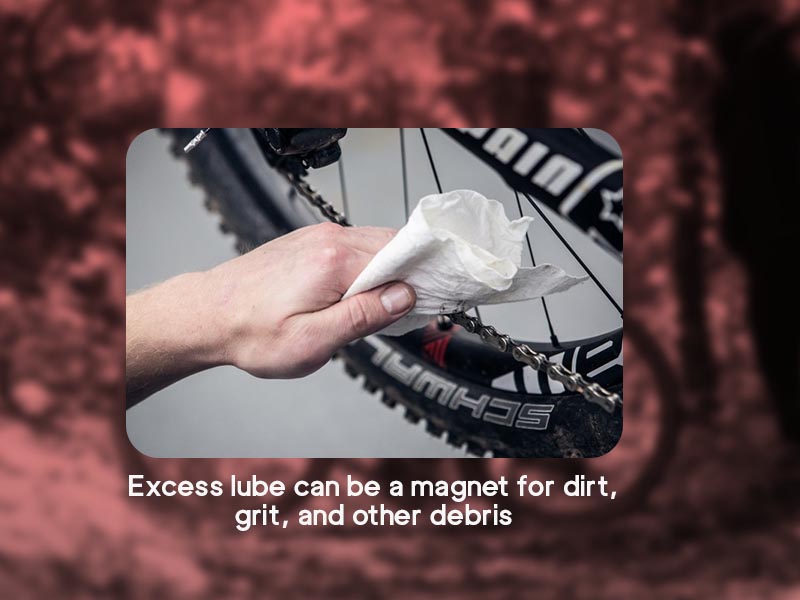
After lubrication, use a clean cloth to remove any surplus lubricant from the chain's outer plates and derailleur pulleys. This step helps deter dirt from adhering to the chain, thus keeping it clean and extending its lifespan.
How Often Should You Lube Your Bike Chain?
The frequency of applying chain lube depends on various factors such as weather conditions, terrain, and personal preference. As a rule of thumb, consider applying chain lube every 100-200 miles or whenever your chain appears dry or emits a squeaking sound. However, if you frequently ride in wet or dusty conditions, you may find it necessary to apply chain lube more often to maintain optimal performance.
Conclusion
Regularly maintaining your bike chain is essential for a smooth and enjoyable riding experience. By understanding the importance of chain lubrication, selecting the right type of lube for your riding conditions, and following the correct application process, you can extend your chain's lifespan and guarantee peak performance during every cycling excursion. So, ensure you have quality tools like those available at RODALINK, and follow these steps diligently to keep your bike chain running smoothly for miles to come!
Read More: Bike Maintenance Tips & Tricks
- Finish Line Dry Lube LubricantSGD 25.00



Please complete your information below to login.
Sign In
Create New Account