Toggle Nav 



Everything You Need to Know About Bicycle Shifters: Types and How They Work
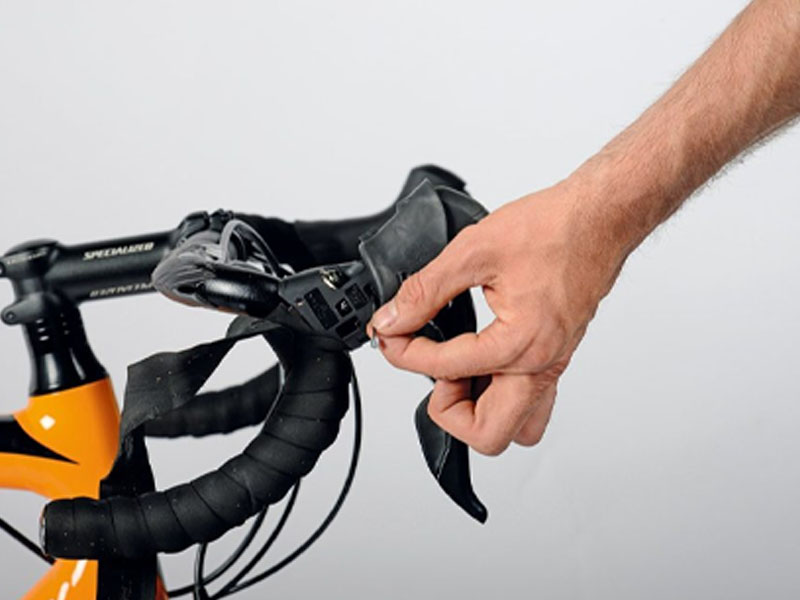
Mastering smooth and efficient gear shifting is essential for every cyclist. Whether you’re new to cycling or have years of experience, knowing how your bike's shifters operate can greatly enhance your ride. In this guide, Rodalink Singapore will explore the different types of bicycle shifters, their specific mechanics, and how to select the best option for your needs.
Get to Know Bicycle Shifters
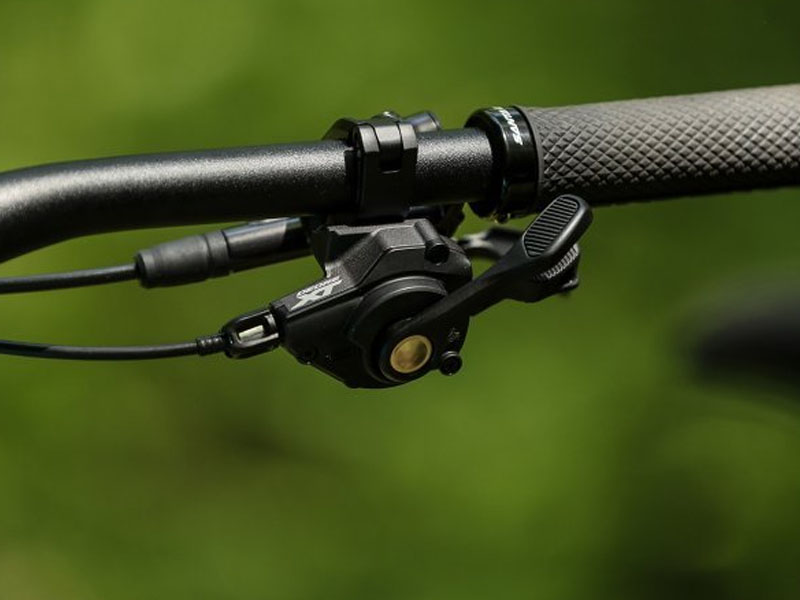
Bicycle shifters are devices on a bike that enable you to change gears by managing the derailleur, which shifts the chain between gears. Adjusting gears is crucial for keeping a comfortable pedal speed (cadence) across various terrains, from flat surfaces to steep inclines. The type of shifter you have determines how smoothly and accurately you can change gears.
The Importance of Shifters
Shifters play a key role in your riding efficiency, speed, and comfort by allowing you to adjust to different conditions, such as climbing a steep hill, navigating a rough trail, or descending quickly. The right shifter ensures fast and precise gear changes, helping you maintain momentum and minimize the risk of mechanical problems.
Different Kinds of Bicycle Shifters
There are various types of bicycle shifters, each with unique designs, functions, and purposes. Let's look at the most common types:
1. Grip Shifters

Grip shifters, also known as twist shifters, are operated by twisting the handlebar grip forward or backward to change gears. These shifters are built into the handlebar grips and are commonly used on hybrid bikes, commuter bikes, and some entry-level mountain bikes.
How Do Grip Shifters Work?
Grip shifters work by rotating a grip on the handlebar to control the derailleur. Twisting the grip towards you increases cable tension to shift to a higher gear while twisting it away reduces tension to shift to a lower gear. This system uses simple wrist movements to change gears.
Advantages of Grip Shifters
- Easy to Use: Simple and intuitive, especially for beginners.
- Integrated Design: Blends seamlessly with the handlebar grip for a clean, uncluttered appearance.
- Affordable: Generally less expensive than trigger shifters, offering a budget-friendly option.
Grip Shifters Best For
Casual riders, commuters, and those who prefer a simple, easy-to-use shifting mechanism.
2. Trigger Shifters

Trigger shifters are a popular type of gear shifter found on most modern mountain bikes and some road bikes. They consist of two levers: one for shifting to a higher gear and another for shifting to a lower gear. Positioned near the handlebar grips, they are easy to reach with your thumbs and fingers.
How Do Trigger Shifters Work?
Trigger shifters use a ratcheting mechanism to control the derailleur. Pressing the smaller lever releases cable tension, moving the chain to a larger cog (lower gear). Pressing the larger lever tightens the cable, shifting the chain to a smaller cog (higher gear). Each lever click represents a gear change, providing tactile feedback for precise shifting.
Advantages of Trigger Shifters
- Precise Shifting: The clear clicks offer feedback, ensuring accurate gear changes.
- Quick Access: Located close to the handlebar grips for easy access without moving your hands.
- Durable: Built to withstand tough conditions, making them suitable for rough terrains.
Trigger Shifters Best For
Mountain biking, trail riding, and situations that require quick, accurate gear changes.
3. Integrated Brake/Shifters (Brifters)

Integrated Brake/Shifters, or "brifters," combine braking and gear shifting into a single unit on each side of the handlebars. This design allows cyclists to brake and shift gears without moving their hands, resulting in a more efficient and comfortable riding experience. Brifters are standard on most modern road bikes and are popular among cyclists of all skill levels.
How Do Brifters Work?
Brifters integrate several levers into one unit on the handlebars. The primary lever controls braking, while one or two smaller levers manage gear shifting, moving in various directions depending on the brand. They feature an indexed system with a "click" for each gear change, ensuring precise shifts. Inside, cables connected to the derailleurs adjust the bike's gears as needed.
Advantages of Brifters
- Ergonomics and Convenience: Allow riders to keep their hands on the brake hoods or drops, providing better control and quick access to shifting or braking, particularly beneficial in races or traffic.
- Efficiency: Facilitate smooth and fast gear changes without needing to move hands, crucial for competitive cycling or challenging terrain.
- Streamlined Design: Merge braking and shifting into one unit, reducing handlebar clutter for a cleaner, more aerodynamic look.
- Compatibility: Fit most modern road bikes, making them a versatile option for many riders.
Brifters Best For
Road cyclists appreciate their efficient design for speed and control, racers benefit from quick shifting and braking, endurance riders enjoy reduced hand movement and fatigue, and commuters find quick access to brakes and gears in traffic useful. All-rounders value their versatility for different cycling needs, offering a balance of control, comfort, and performance.
4. Electronic Shifters

Electronic shifters represent the latest advancement in shifting technology. Brands such as Shimano Di2, SRAM eTap, and Campagnolo EPS provide electronic shifting systems that use battery-powered motors to control the derailleurs. These shifters are typically found on high-end road and mountain bikes.
How Do Electronic Shifters Work?
Electronic shifters use small electric motors to move the derailleurs, operated by buttons on the shifter paddles. When a rider presses a button, the motor adjusts the derailleur, resulting in smooth and precise gear changes. The system can be customized with different shifting patterns, and some models offer automatic shifting based on cadence and speed.
Advantages of Electronic Shifters
- Precision and Speed: Provides instant and accurate shifts without issues from cable stretch or friction.
- Customization: Allows for programmable shifting patterns and settings to suit personal preferences.
- Low Maintenance: Fewer mechanical components reduce the need for frequent adjustments or replacements.
Electronic Shifters Best For
Professional cyclists, competitive racers, and tech enthusiasts who appreciate the precision and speed offered by electronic shifting.
5. Bar-End Shifters

Bar-end shifters, also known as bar-con shifters, are mounted at the end of drop handlebars and are commonly used on touring and some cyclocross bikes. They allow for easy gear changes while maintaining a relaxed, aerodynamic riding position.
How Do Bar-End Shifters Work?
Bar-end shifters operate using a lever that the rider pushes or pulls to change gears. Like downtube shifters, they can use either friction or indexed shifting, where the lever adjusts the derailleur cable tension. The key difference is their placement at the end of the handlebars, making them more accessible while riding in the drops.
Advantages of Bar-End Shifters
- Easy Accessibility: Located at the end of the handlebars, they are convenient for touring or long rides.
- Versatility: Capable of switching between friction and indexed modes, providing flexible adjustment options.
- Durability: Simple and sturdy, making them ideal for long-distance touring where reliability is crucial.
Bar-End Shifters Best For
Touring cyclists, adventure riders, and anyone needing a dependable shifting option in remote or rugged settings.
6. Downtube Shifters

Downtube shifters are an older type of shifter mounted on the bike's downtube. Once common on road bikes before the advent of modern handlebar-mounted shifters, they are less prevalent today but still favored by some cyclists for their simplicity and reliability.
How Do Downtube Shifters Work?
Downtube shifters use a lever system attached to the bike's downtube. The rider reaches down with one hand to operate the lever, which adjusts the derailleur cable tension. Moving the lever changes the cable tension, shifting the chain to a different gear.
Advantages of Downtube Shifters
- Simplicity: Fewer moving parts reduce the likelihood of issues, making them reliable and easy to maintain.
- Lightweight: Generally lighter than more complex modern shifters.
- Cost-Effective: More affordable due to their straightforward design.
Downtube Shifters Best For
Retro bike enthusiasts, touring cyclists, and those who value a minimalist and uncomplicated approach to gear shifting.
Selecting the Ideal Shifter for Your Requirements

With a wide range of bicycle shifters on the market, choosing the right one can be difficult. Here are some important factors to consider to help you make the best decision:
1. Riding Style
For mountain biking, trigger shifters deliver quick and accurate gear changes. For casual or commuter riding, grip shifters are valued for their simplicity and ease of use. Bar-end shifters are ideal for touring due to their reliability and accessibility. For road racing or high-performance cycling, brifters or electronic shifters offer exceptional precision and speed.
2. Experience Level
Beginners might opt for grip shifters due to their user-friendly operation. Intermediate and advanced riders may find brifters, trigger shifters, or electronic shifters more advantageous for achieving greater precision and control.
3. Price Range
Mechanical shifters, such as trigger, grip, downtube, and bar-end types, are typically more budget-friendly. In contrast, electronic shifters and brifters come with a higher price tag but provide advanced features and enhanced performance benefits.
4. Maintenance
Mechanical shifters need regular maintenance to keep them operating smoothly. On the other hand, electronic shifters require periodic charging and firmware updates but generally experience less mechanical wear and tear.
Conclusion: Selecting the Ideal Shifter
Grasping the various types of bicycle shifters and their functions is essential for enhancing your cycling experience. Whether you value speed, ease of use, or cutting-edge technology, there’s a shifter designed to match your riding style and preferences.
From classic downtube shifters to advanced electronic systems, each type offers distinct advantages tailored to different riding needs. By evaluating your riding style, skill level, and budget, you can select the ideal shifter for your bike, leading to smoother and more efficient rides. Rodalink #HomeforCyclist
Happy shifting, and enjoy your ride!


Please complete your information below to login.
Sign In
Create New Account