Toggle Nav 



The History and Evolution of BMX Bikes
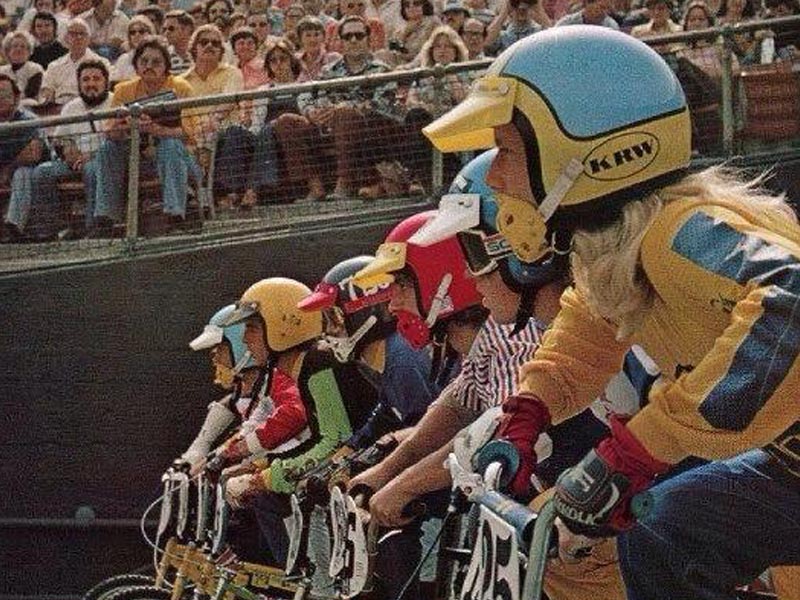
BMX, or Bicycle Motocross, is more than just a bike—it’s a global culture. Initially born out of a desire to emulate motocross riders, BMX has evolved from a backyard hobby into an internationally recognized sport.
Want to learn more about the history and evolution of BMX bikes? Let’s dive into the exciting journey from the birth of BMX in California to its rise as a global phenomenon!
The Origins of BMX: Late 1960s to Early 1970s
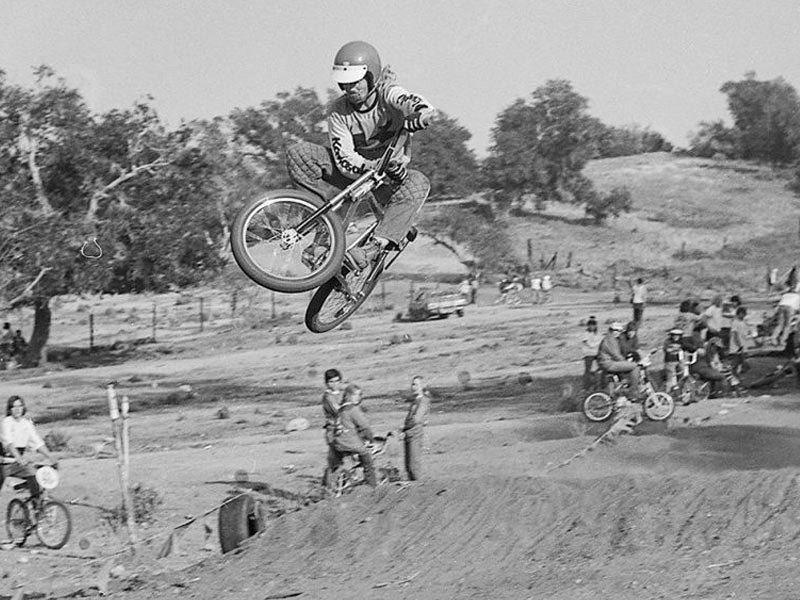
The history of BMX dates back to the late 1960s in Southern California. At the time, motocross racing was all the rage, but not everyone could afford a motorbike. Inspired by this high-adrenaline sport, kids began modifying their bicycles to mimic the look and feel of motocross motorcycles. These early riders would race their bikes on dirt tracks, often making jumps and turns that were typically reserved for motocross racers.
By the early 1970s, these impromptu races began to gain traction. In 1971, the first official BMX race was held on a track in Santa Monica, California. The sport quickly spread across the United States and eventually made its way to other parts of the world. What made BMX stand out was the simplicity of the bikes and the thrill of off-road racing. Riders needed bikes that were tough enough to handle the rugged terrain, and as a result, the first BMX-specific designs began to emerge.
The Rise of Freestyle BMX in the 1980s
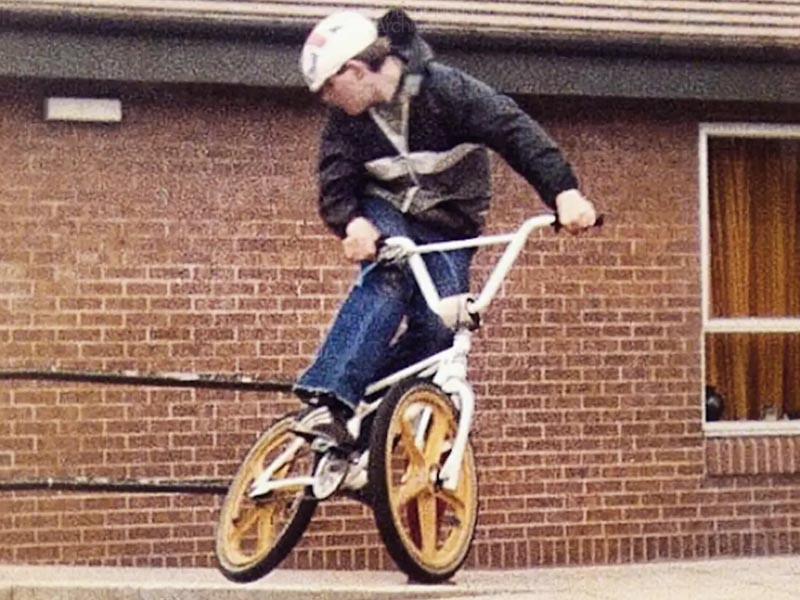
While BMX racing was taking off, the early 1980s saw the birth of a new BMX discipline—freestyle. Riders started using their BMX bikes not just for racing but for performing stunts and tricks in skateparks, on city streets, and even in empty swimming pools. This new form of BMX, known as freestyle BMX, opened up a world of creativity and pushed the limits of what was possible on two wheels.
The Evolution of Freestyle BMX Bikes
As freestyle riding gained popularity, BMX bikes underwent further evolution. Freestyle bikes needed to be more durable and versatile than their racing counterparts. Key design changes included shorter top tubes for better control, thicker frames to handle heavy impacts, and components like pegs and gyro headsets for performing tricks. The gyro headset allowed riders to spin the handlebars 360 degrees without tangling the brake cables, a game-changer for trick innovation.
During the 1980s, freestyle BMX competitions began to pop up, and riders like Mat Hoffman and Dave Mirra became legends in the sport. Big brands started creating freestyle-specific bikes, making BMX even more accessible to people who wanted to focus on tricks rather than speed. Freestyle BMX became a cornerstone of BMX culture, and by the end of the decade, it was as popular as BMX racing.
The Evolution of BMX in the Modern Era (1990s – Present)
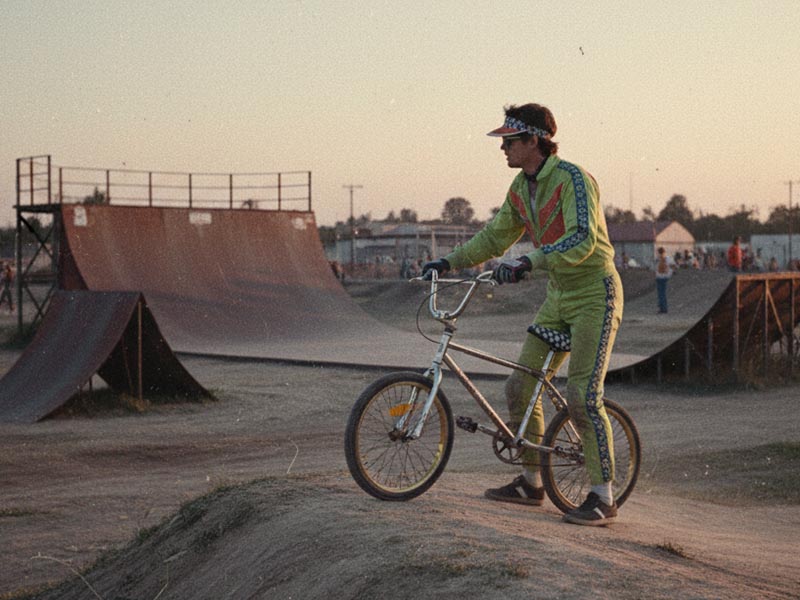
The 1990s and beyond marked a significant turning point for BMX, as the sport became more mainstream and its influence spread globally. BMX had moved from being a niche hobby to a fully recognized sport, with organized competitions, sponsorships, and a growing community of dedicated riders.
Technology in Modern BMX Bikes
Advances in technology helped shape modern BMX bikes, making them lighter, stronger, and more specialized than ever before. Materials like chromoly (a lightweight yet durable steel alloy) and aluminum became standard in BMX bike construction. Depending on the discipline—racing, freestyle, dirt jumping, or street riding, different BMX bikes were designed with specific geometries and features.
For example, BMX race bikes now have longer frames and lightweight components to maximize speed and control on race tracks. Meanwhile, freestyle bikes focus on maneuverability, allowing riders to perform intricate tricks with precision.
BMX Competitions: From Local Races to the Olympics
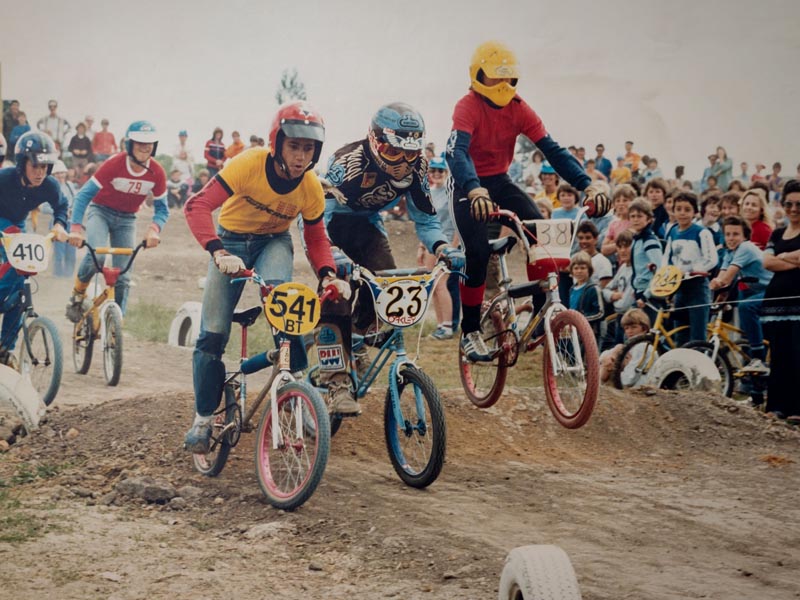
One of the biggest milestones for BMX as a sport was its inclusion in the Olympic Games. In 2008, BMX Racing made its debut at the Beijing Olympics, marking the sport’s entry into the highest level of competitive athletics. This gave BMX global exposure and introduced a new generation of riders to the sport. Following this, BMX Freestyle was added to the Olympic roster for the Tokyo 2020 Games, further solidifying BMX’s status as a major international sport.
Aside from the Olympics, numerous global competitions highlight both BMX racing and freestyle disciplines. Events like the X Games, UCI BMX World Championships, and the FISE World Series showcase the best talent in BMX from around the world. BMX is no longer just a sport for adrenaline-seeking kids; it has become a professional pursuit with athletes training rigorously to compete on the world stage.
In Malaysia, BMX competitions have gained significant traction in recent years. The BMX National Championship is one of the key events where local riders have the chance to shine.
The Future of BMX: What’s Next?
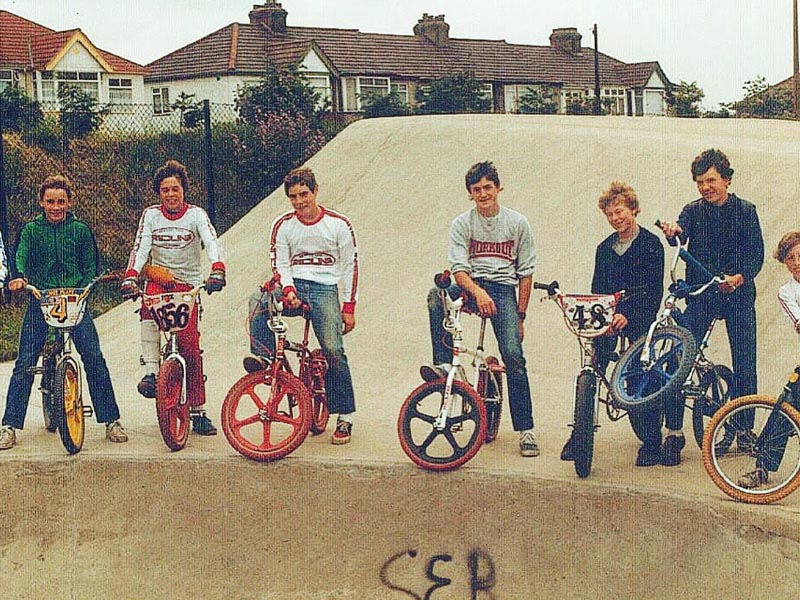
As BMX continues to grow, the future looks bright for this dynamic sport. The BMX community is more connected than ever, thanks in part to social media, which allows riders to share tricks, tips, and stunts with a global audience. BMX has also become a major part of pop culture, with appearances in music videos, films, and video games. This visibility keeps BMX relevant and exciting for younger generations.
Why You Should Try BMX?
BMX biking isn’t just a hobby, it’s a gateway to thrilling competitions, both nationally and internationally. From local races to world-famous events like the X Games or the BMX World Championships, the sport offers plenty of opportunities for riders to showcase their skills. Whether you’re a beginner or aiming to go pro, BMX can take you on an exciting journey.
If you're looking for the right bike to get you started or to step up your game, the Polygon Razor Elite BMX is a top choice. This high-performance bike, used by athletes like Raiden Raga and Yussi Wakhidur Rizal at the BMX National Championship, has proven itself on the track. With its superior speed, acceleration, and durability, the Polygon Razor Elite BMX gives you the edge you need to perform at your best.
Ready to jump into the world of BMX? Check out the Polygon Razor Elite BMX and more at Rodalink Malaysia and start gearing up for your BMX journey today!
Check Out These Best BMX Bikes & Accessories for You!
- Polygon Rogue BMX BikeMYR 799.00
- Polygon Rudge 3 BMX BikeMYR 999.00
- Polygon Razor BMX BikeMYR 1,149.00
- Bellwether Flight 2.0 GlovesMYR 99.00-70%Special Price MYR 30.00
- Polygon Pixel BMX Bike HelmetMYR 119.00-50%Special Price MYR 59.50



Please complete your information below to login.
Sign In
Create New Account